The artist E. A. Jung shows over 20 works and a video project in the museum's historic stable, shedding a humorous and critical light on the relationship between animals and humans.
Photographs by Anton Brandl, in cooperation with BUND Naturschutz Ingolstadt, show the Gerolfing oak forest as a near-natural cultural landscape and an example of traditional Mittelwald management (coppice with standards).
About the museum
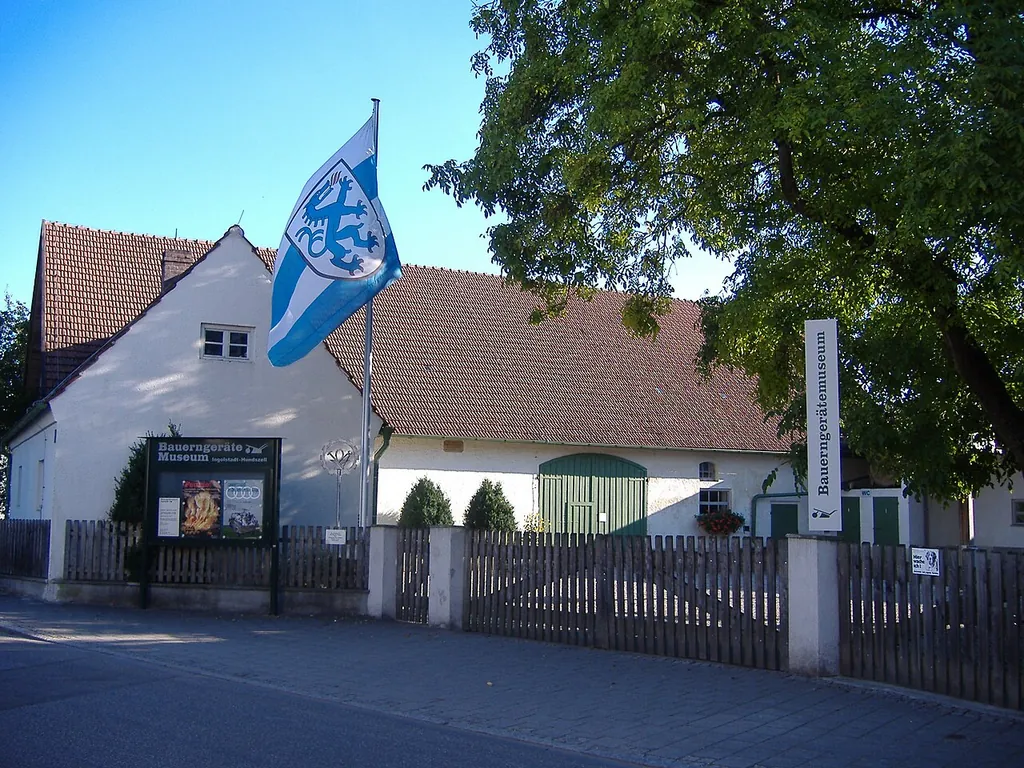
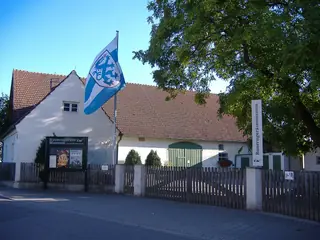
The Bauerngerätemuseum (Farm Tools Museum) was set up in 1995 as a branch of the Ingolstadt City Museum on a former farm in the district of Hundszell, the so-called Blasibauernhof. It has grown into a lively cultural meeting place in southern Ingolstadt, where old and new farming culture can be experienced.
The focus is on the profound transformation of agriculture and rural life over the past 200 years. A large collection of agricultural and rural-craft tools and machines shows how yields could be increased and how this changed the daily work of rural people. The permanent exhibition is organized into the areas of crop farming, livestock, labor, transport and energy, and household management, and it continues to be expanded.
Besides the permanent exhibition, the museum offers hands-on programs for daycare centers, schools, and families, as well as regular meetings such as handicraft and singing groups. The museum is run by the Zentrum Stadtgeschichte (Ingolstadt City History Center).
Highlights
Historic farm “Beim Blasibauern” in the district of Hundszell
Transformation of agriculture over the past 200 years
Large collection of agricultural and rural-craft tools
Hands-on programs such as “Von der Kuh zur Butter” (From Cow to Butter) or “Vom Korn zum Brot” (From Grain to Bread)
Children's birthday parties and play days on the farm
Permanent exhibition
Dauerausstellung zu Landwirtschaft und Landleben – Departments on crop farming, livestock, labor, transport and energy, and household management show how agriculture and rural life changed over two centuries.
Founded
1995
Operated by
Stadt Ingolstadt (Zentrum Stadtgeschichte)
Admission & discounts
Adults
€4
Reduced
€2.50Ages 22 and over in school or vocational training or studying; severely disabled persons (GdB 50–90, degree of disability); holders of the Bavarian Ehrenamtskarte; Bundesfreiwilligendienst volunteers; and recipients of pensions, social assistance, or unemployment benefit
Children & teens
freefree up to age 18 · Children and young people up to age 18
Seniors
€2.50Retirees pay the reduced rate
Visitors with disabilities
€2.50GdB 50 to 90: reduced; GdB 100 and above: free admission
Students & apprentices
freeFree up to age 22 in school, vocational training, or studies; reduced from age 22
Admission prices are subject to exceptions for special occasions.
Accessibility
Partially wheelchair accessible
Elevator: no information
Accessible restroom
Accessible parking: no information
Service dogs welcome: no information
Tactile models & exhibits: no information
Sign language tours: no information
Easy-to-read materials: no information
Audio description: no information
Entrance and restroom are accessible; in the museum, only the first floor is accessible.
Kids & families
Great for kids & families
Kids’ admission
free up to age 18
Family tours & workshops
Hands-on stations
Kids’ birthday parties
Hands-on programs for daycare centers and schools (Vom Korn zum Brot, Von der Kuh zur Butter, Waschen wie zu Großmutters Zeiten, Spieltag auf dem Bauernhof), plus a public children's program on weekends. Children's birthday parties for up to 12 children: two hours €120, three hours €160.
The museum hasn’t published any information on this.
Events & venue rental
The museum hasn’t published any information on this.
Plan your visit
Guided tours
yes
School programs
yes
Good to know
Guided tours and programs for groups, schools, and daycare centers by registration with the museum education team (phone +49 841 305-1885); school programs can only be booked during regular opening hours. Flat fees: school guided tour only €30, guided tour with a hands-on component €50.