Stadt- und Bergbaumuseum Staßfurt
Regional museum in a listed 17th-century noble house: the history of the town of Staßfurt and the history of potash mining.
Have only individual sections read aloud
About the museum
Museum work in Staßfurt goes back more than a hundred years. Honorary citizen and economic pioneer Walther Adam donated a large collection to the town, which was first shown in 1910 in the library at Sandplatz. After relocating to a school in 1929, the museum had to make way for classrooms in 1937; between 1958 and 1967 it was reopened at changing locations, then closed again, and large parts of the collection were lost.
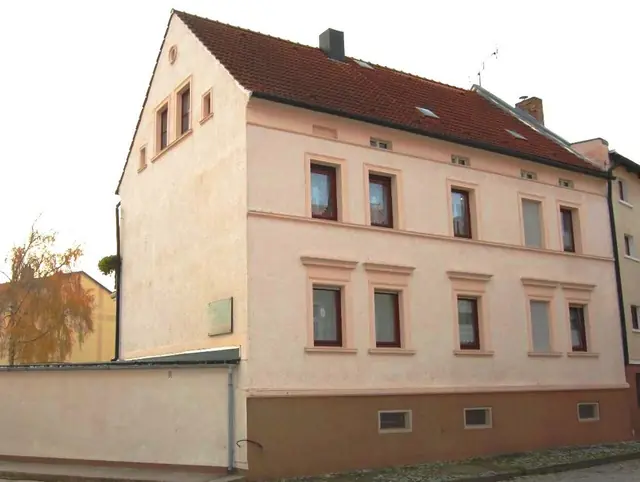
On the occasion of the town's 800th anniversary in 1980, the wish for a museum grew, and in 1983 the “Staßfurter Traditionsstätte” (Staßfurt Heritage Site) opened in the Salzgrafenhaus at Pestalozzistraße 6. The listed house dates from the 17th century; a gallery of oak panelling from 1630 recalls the wealth of Staßfurt's salt counts (Salzgrafen). Later the house belonged, among others, to the Bennecke family, and after the war it served as a rental building.
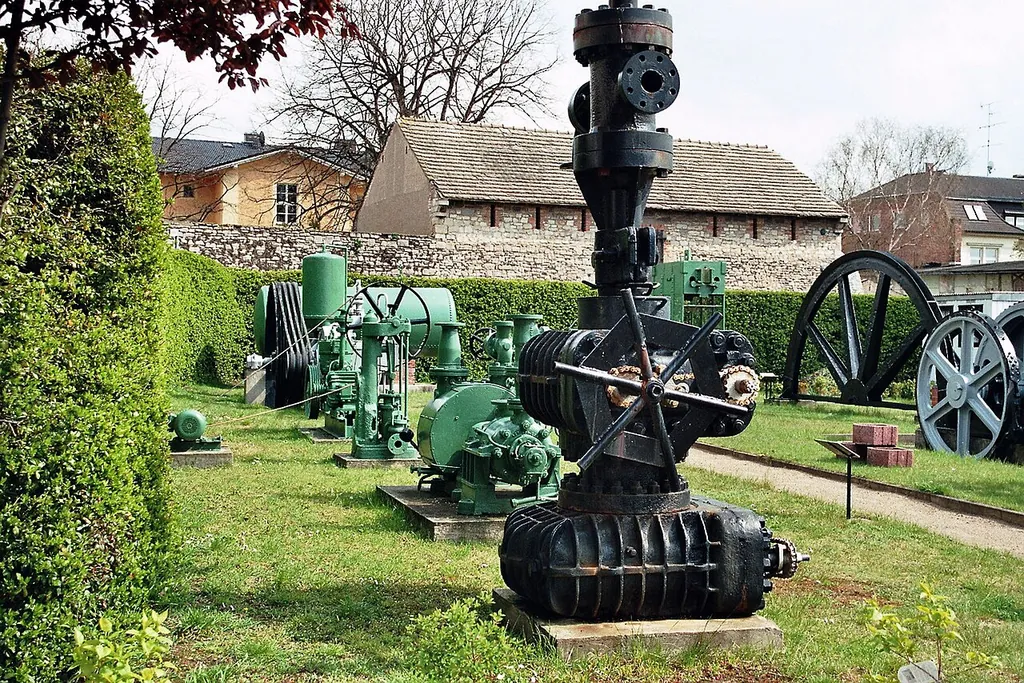
The building was renovated in the 1990s, and in 1995, for the Salzlandfest, the house received the name “Stadt- und Bergbaumuseum Staßfurt”. Today the ground floor shows the town's history, the upper floor the history of potash mining, and large mining machines stand in the courtyard; in addition, exhibitions on regional culture are held several times a year.
Highlights
- Salzgrafenhaus with oak gallery from 1630
- Potash mining: salt collection, models and machines
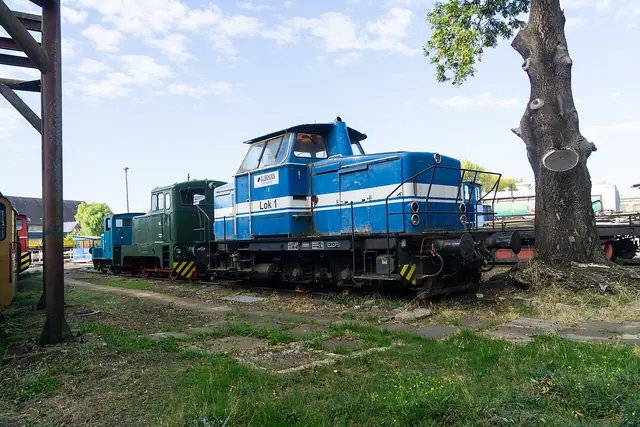
- Large mining equipment in the museum courtyard
- Donkey-powered treadwheel (Eselstretrad) to try out
- Laurentius treasure and the carved altarpiece from Staßfurt
Permanent exhibitions
- Stadtgeschichte im Erdgeschoss – From the first mention through the Middle Ages, salt-boiling operations and industrial history to a united Germany.
- Bergbaugeschichte im Obergeschoss – Geology, salt collection, potash mining and its consequences, as well as machines, equipment and the club life of the miners.
- Freifläche auf dem Museumshof – Large mining equipment above and below ground, and a donkey-powered treadwheel.
- Founded
- 1983
- Operated by
- Stadt Staßfurt
- Director
- Michael Scholl
Admission & discounts
| Adults | €2 |
|---|---|
| Reduced | €1Children and young people (ages 6 to 18), trainees, students, pensioners and people with disabilities (in each case with proof) |
| Children & teens | €1Reduced rate for ages 6 to 18. |
| Seniors | €1Pensioners with proof. |
| Visitors with disabilities | €1With proof. |
| Students & apprentices | €1Students and trainees with proof. |
| Families | €42 adults and 2 children up to age 18. |
| Openings of exhibitions and events | €3Reduced €1.50. |
| Annual pass (including events) | €10Reduced €5. |
| Guided tour (per person) | €2Children and young people aged 6 to 18 €1.50; registration ideally 14 days in advance. |
Accessibility
The museum hasn’t published any information on this.
Kids & families
Great for kids & families
| Family ticket | €4 · 2 adults and 2 children up to age 18. |
|---|
- Family tours & workshops
- Hands-on stations
Children and young people can take a turn on the donkey-powered treadwheel, trace how a potash mine is built above and below ground, and take home a small salt crystal; family ticket available.
Getting there & parking
The museum is in Staßfurt's town center at Pestalozzistraße 6.
Get directionsAmenities & dining
The museum hasn’t published any information on this.
Events & venue rental
The museum hasn’t published any information on this.
Plan your visit
| Guided tours | yes |
|---|---|
| School programs | yes |
| Good to know | Guided tours for class reunions, company outings and groups by registration (ideally 14 days in advance), also as city tours. Museum education programs for daycare centers (Kitas), schools and youth facilities. In the foyer there is a stamping point for the Salzländer Kulturstempel (Salzland culture stamp). |