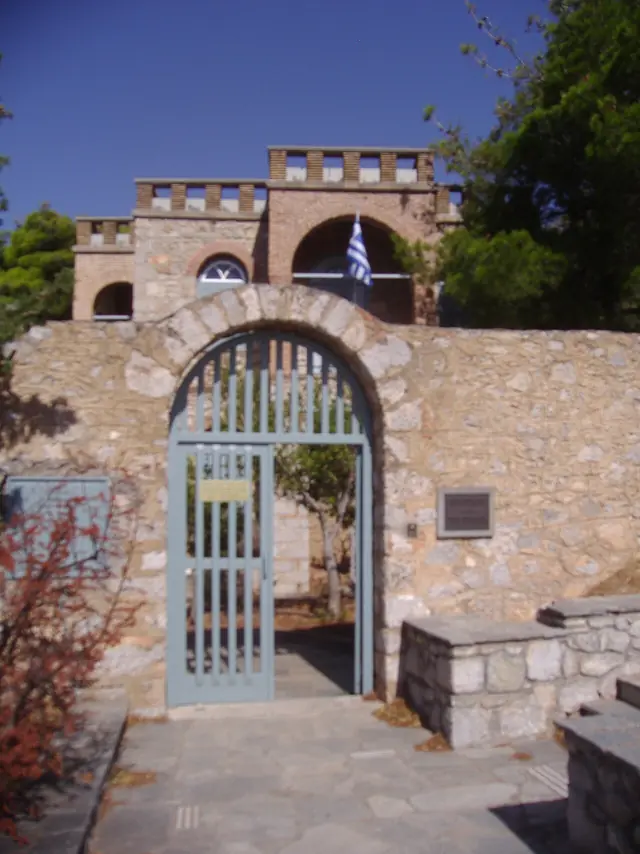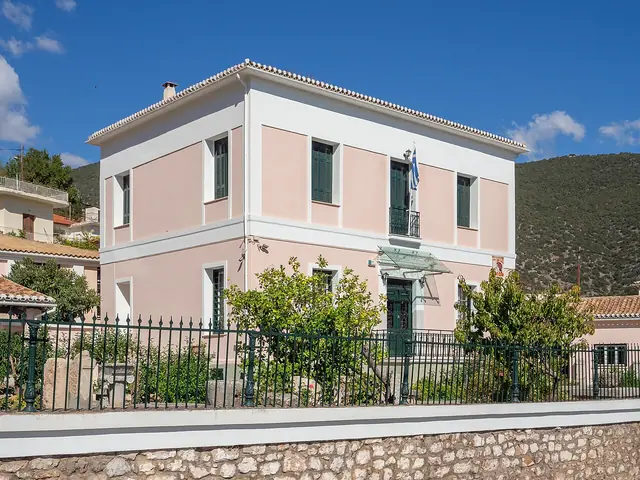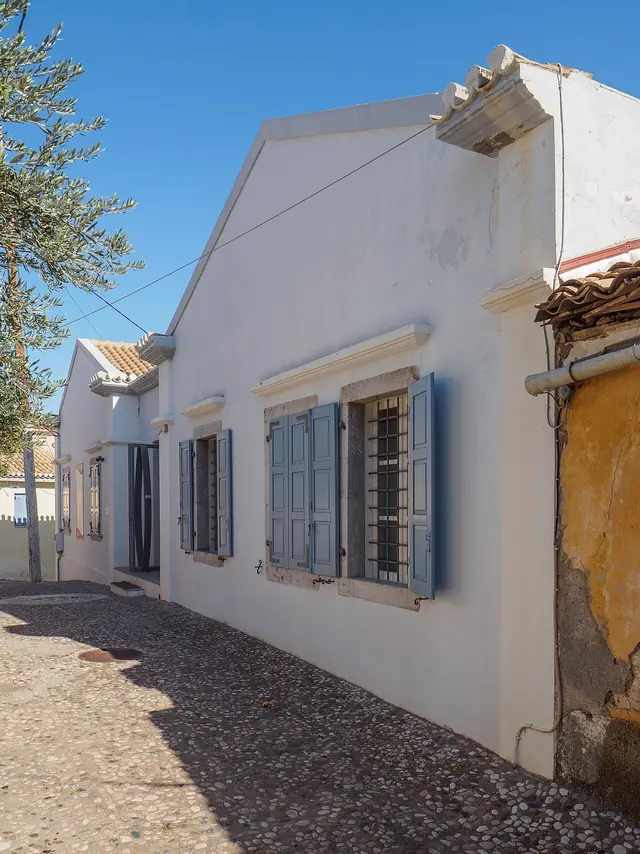
Archaeological Site and Museum of Delphi
The sanctuary of Apollo at Delphi and the Archaeological Museum with the Charioteer of Delphi, with a combined ticket for the site and the museum.
Have only individual sections read aloud
About the museum
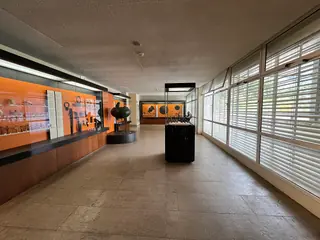
The first Archaeological Museum of Delphi was inaugurated on 2 May 1903, after the “great excavation” that brought to light the sanctuary of Apollo and created the need to house the precious offerings found beneath the Sacred Way. In 1935 it was decided to build a larger museum, which was enriched over the years. The present presentation of the collections follows modern museological principles.
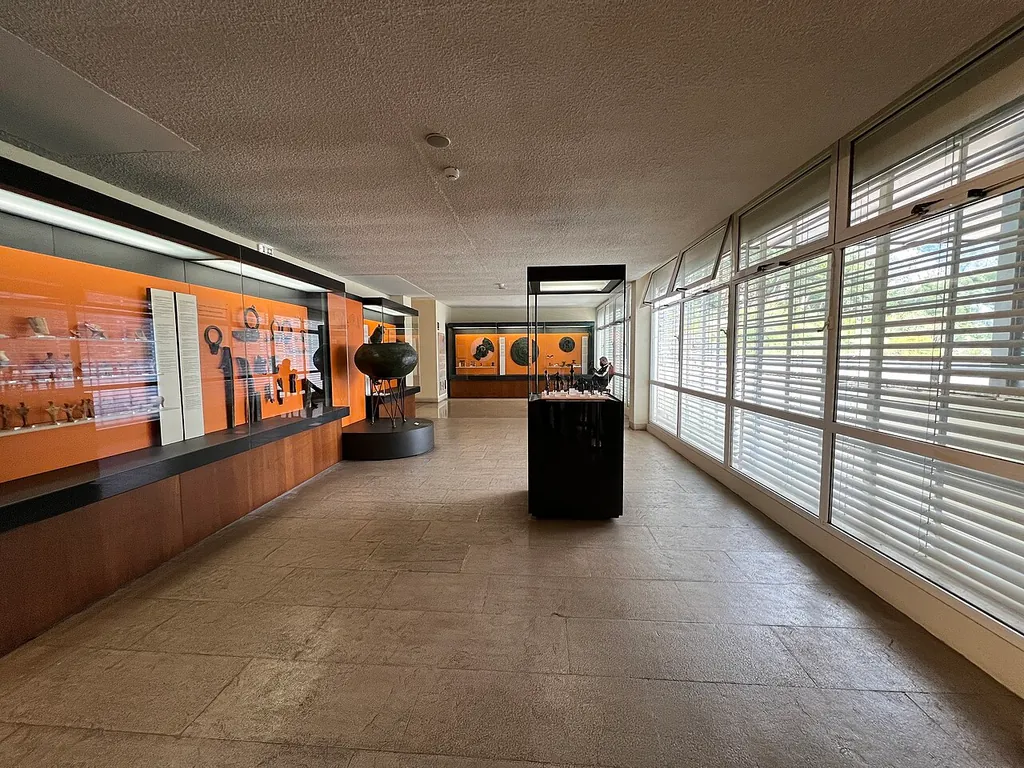
The museum is among the most important in Greece. It includes architectural sculptures, such as the relief metopes of the Siphnian Treasury and the Athenian Treasury, statues such as Kleobis and Biton and the Sphinx of the Naxians, as well as small objects and votive offerings. Unique are the three chryselephantine statues, which most probably depict the triad of Apollo, Artemis and Leto, and the life-size silver bull is impressive too. The symbol of the museum is the Charioteer of Delphi, a bronze statue of a youth from the 5th century BC, dedicated for the victory of the tyrant Polyzalos at the Pythian Games.
The archaeological site lies between two steep cliffs at the foot of Mount Parnassus. The great excavation of the sanctuary lasted from 1860 to 1903 and led to the expropriation of the village of Kastri, which had been built on the ruins. The Temple of Apollo, the Treasury of the Athenians, the Tholos, the Theatre and the Stadium testify to the importance of Delphi as a religious centre and as a symbol of the unity of the ancient Greek world.
Highlights
- Charioteer of Delphi
- Sphinx of the Naxians and Kleobis and Biton
- Chryselephantine statues and silver bull
- Temple of Apollo, Treasury of the Athenians, Tholos, Theatre and Stadium
- Combined ticket for the site and the museum
Permanent exhibition
- Μόνιμη έκθεση του Αρχαιολογικού Μουσείου Δελφών – Architectural sculptures, statues, small objects and offerings from the sanctuary of Delphi, with top pieces including the Charioteer, the Sphinx of the Naxians and the chryselephantine statues.
- Founded
- 1903
- Operated by
- Υπουργείο Πολιτισμού – Εφορεία Αρχαιοτήτων Φωκίδας
- Visitors per year
- approx. 249,754
Admission & discounts
| Adults | €20 |
|---|---|
| Reduced | €10 |
Free admission: 6 March, 18 April, 18 May, the last weekend of September, 28 October and every first and third Sunday of the month from 1 November to 31 March.
The ticket is valid for the archaeological site and the Archaeological Museum of Delphi. Tickets are available at the ticket offices and online.
Accessibility
- Wheelchair accessible: no information
- Elevator
- Accessible restroom: no information
- Accessible parking: no information
- Service dogs welcome: no information
- Tactile models & exhibits: no information
- Sign language tours: no information
- Easy-to-read materials: no information
- Audio description: no information
Kids & families
The museum hasn’t published any information on this.
Getting there & parking
By public transit
By KTEL Fokida bus from Athens or Patras.
By car
Parking available
The museum is on the Livadeia–Amfissa national road, about 10 minutes on foot from the village of Delphi and 4 minutes by car. The archaeological site is about 15 minutes on foot away. From Athens the journey takes about 3 hours and from Patras about 2 hours.
Get directionsAmenities & dining
- Café
- Museum shop
- Wi-Fi
On site there is a café/restaurant, a shop, WiFi, a lift and a car park.
Events & venue rental
The museum hasn’t published any information on this.