Folklore museum, Ammouliani
Folklore collection of the Cultural Association on the ground floor of a monastic metochion of 1907, with a reconstruction of an Asia Minor mansion, photographs and costumes.
Have only individual sections read aloud
About the museum
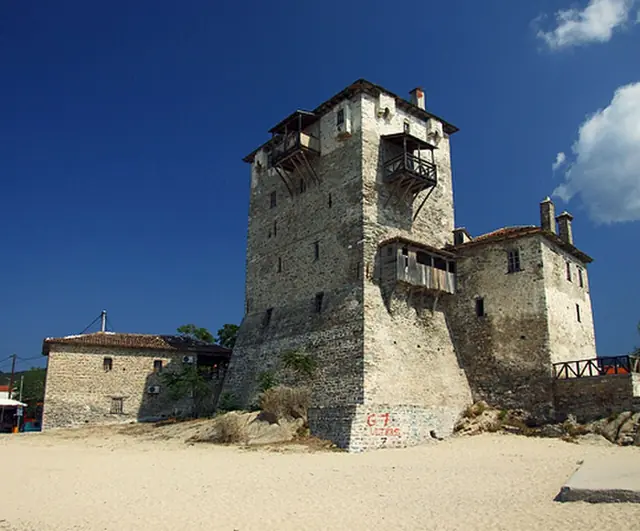
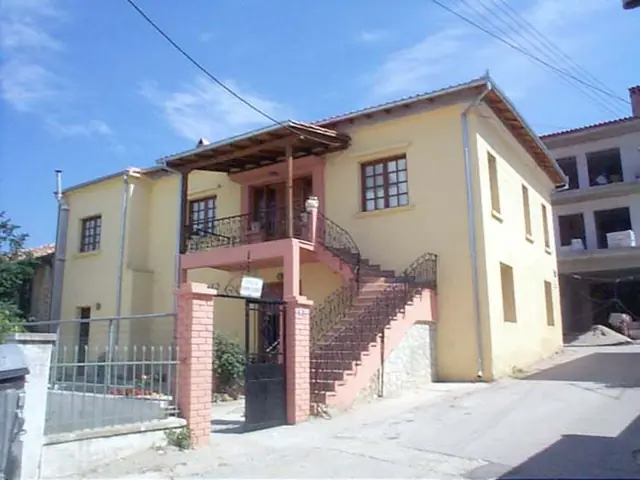
The Folklore Museum of Ammouliani is located a little above the island's small harbour, in the square where the church of St Nicholas stands. The building was a monastic metochion (dependency) of the Vatopedi monastery and was built in 1907. After the arrival of the refugees it became a state primary school, which operated normally until the mid-1960s.
Today the ground floor houses the folklore collection of the Cultural Association of Ammouliani, while the upper floor holds the offices of the Community. The collection depicts the customs and the life of the island's first residents.
The exhibits include a reconstruction of an Asia Minor mansion with dowry items and a small salon, as well as objects of everyday use. There are also old photographs, woodworking tools, ecclesiastical objects, sacred relics and costumes.
Highlights
- Reconstruction of an Asia Minor mansion with dowry items and a small salon
- Old photographs of the island
- Woodworking tools and objects of everyday life
- Ecclesiastical objects and sacred relics
- Traditional costumes
Permanent exhibition
- Λαογραφική συλλογή Αμμουλιανής – Reconstruction of an Asia Minor mansion with dowry items and a small salon, old photographs, tools, ecclesiastical objects and costumes.
- Operated by
- Πολιτιστικός Σύλλογος Αμμουλιανής
Admission & discounts
The museum hasn’t published any information on this.
Accessibility
The museum hasn’t published any information on this.
Kids & families
The museum hasn’t published any information on this.
Getting there & parking
The museum is on the island's central square, a little above the harbour. The island lies opposite the small harbour of Trypiti in Chalkidiki.
Get directionsAmenities & dining
The museum hasn’t published any information on this.
Events & venue rental
The museum hasn’t published any information on this.