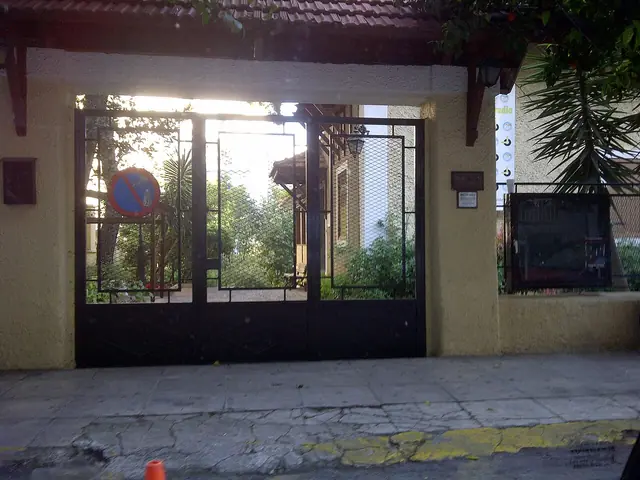
Museum of Zoology, University of Athens
The Zoological Museum of the University of Athens on campus presents mammals, birds and other animals of Greece and the world.
Have only individual sections read aloud
About the museum
The Zoological Museum of the University of Athens is considered the first and most complete of its kind in Greece and has a history of about 160 years. Its core collections are older than the University itself, which was founded in 1837.
The collections had been gathered by the Physiographic Society, founded in 1835 by Greek and Bavarian scholars. In 1837 the society began handing them over to the University for educational use.
Today the museum is housed in the Department of Biology on the campus and holds about 500 mammals, about 2,500 birds, eggs and bird nests, about 1,000 reptiles, amphibians and fish, as well as large collections of insects, molluscs and other invertebrates. Dioramas present ecosystems of Greece and the world.
Highlights
- About 2,500 birds, including all the species of Greece
- About 500 mammals, including a tiger
- Dioramas with ecosystems of Greece and the world
- Collections of insects, molluscs, sponges and corals
Permanent exhibition
- Μόνιμη έκθεση ζωολογικών συλλογών – Mammals, birds, reptiles, fish and invertebrates, as well as dioramas with ecosystems of Greece and the world.
- Operated by
- Εθνικό και Καποδιστριακό Πανεπιστήμιο Αθηνών, Τμήμα Βιολογίας
Admission & discounts
| Adults | €2 |
|---|---|
| Visitors with disabilities | freeFree admission for people with disabilities. |
| Students & apprentices | freeFree admission for students. |
General admission €2.
Accessibility
The museum hasn’t published any information on this.
Kids & families
The museum hasn’t published any information on this.
Getting there & parking
The museum hasn’t published any information on this.
Amenities & dining
- Museum shop
Books and diaries are sold in the museum.
Events & venue rental
The museum hasn’t published any information on this.
Plan your visit
| School programs | yes |
|---|---|
| Good to know | Visits by groups are arranged by appointment. The educational programmes are aimed mainly at pupils of lower secondary school. |