Tarpai Tájház – Helytörténeti Múzeum
The permanent exhibition in the 19th-century two-storey granary building presents the history of Tarpa from the Neolithic to the Kuruc era, as well as ethnography and memorial rooms.
Have only individual sections read aloud
About the museum
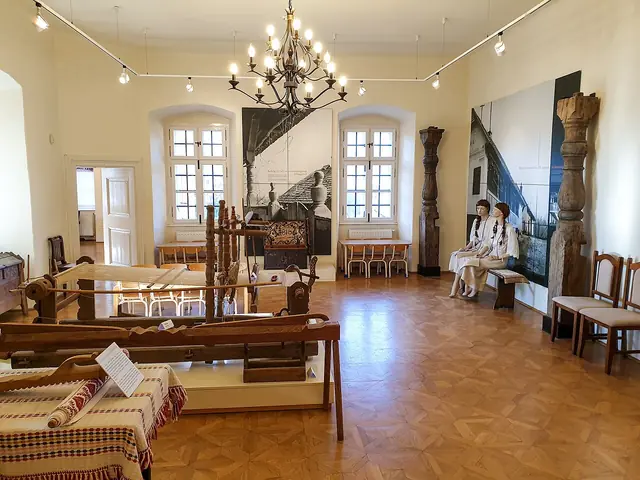
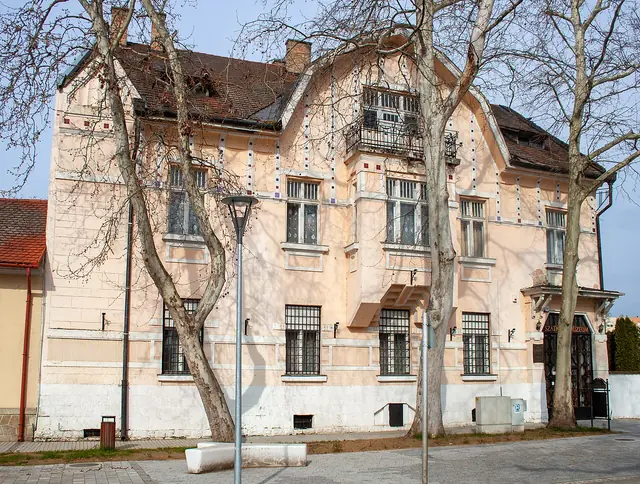
The Tarpa heritage house operates in a 19th-century two-storey granary building, where since 1976 a permanent exhibition has illustrated the history of Tarpa, from the Neolithic remains found in the fields to the Kuruc era. On the upper floor an ethnographic exhibition presents folk ceramics, hemp and textile production, everyday life and local small crafts, such as shingle cutting (zsindelymetszés). Between the two world wars Bajcsy-Zsilinszky Endre was elected deputy here, and the settlement is known for its Kuruc traditions and for Esze Tamás.
Highlights
- History of Tarpa from the Neolithic to the Kuruc era
- Bajcsy-Zsilinszky memorial exhibition
- Esze Tamás memorial room
- Ethnographic exhibition with folk ceramics, hemp and textile production
- Local small crafts, such as shingle cutting
Permanent exhibitions
- Tarpa története – A local history exhibition from the Neolithic remains found in the fields to the Kuruc era.
- Bajcsy-Zsilinszky-emlékkiállítás és Esze Tamás-emlékszoba – Memorial exhibition on Bajcsy-Zsilinszky Endre, who was deputy for Tarpa between the two world wars, and a memorial room for the Kuruc leader Esze Tamás.
- Néprajzi kiállítás és kismesterségek – Folk ceramics, hemp and textile production, everyday life and local small crafts, in the upper-floor hall.
- Founded
- 1976
Admission & discounts
The museum hasn’t published any information on this.
Accessibility
The museum hasn’t published any information on this.
Kids & families
The museum hasn’t published any information on this.
Getting there & parking
The museum hasn’t published any information on this.
Amenities & dining
The museum hasn’t published any information on this.
Events & venue rental
The museum hasn’t published any information on this.