Marking 800 years since the death of Saint Francis, the exhibition traces his image from the late thirteenth century to the present day, among illuminated codices, paintings by great masters and contemporary works. It also presents the restorations supported by the Fondazione Roma and the reconstruction of the Mosaico Colonna.
The exhibition, set up in the historic archive, tells of the spread of the Franciscan movement and the birth of the 15th-century Monti di Pietà, established to counter usury. It displays documents from the archive of the Monte di Pietà of Rome and loans from other institutions.
About the museum
The Museo del Corso grew out of Fondazione Roma’s decision to offer the city a museum institution designed around the visitor. The story begins in 1999 with the first exhibition space, devoted to high-profile shows, and today it consists of a complex of two venues along the Via del Corso.
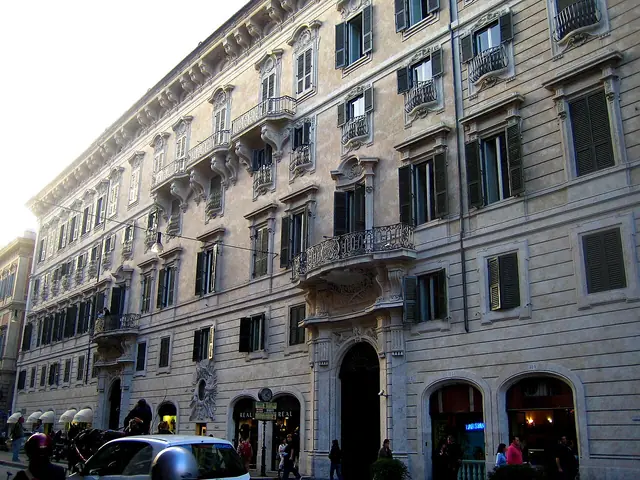
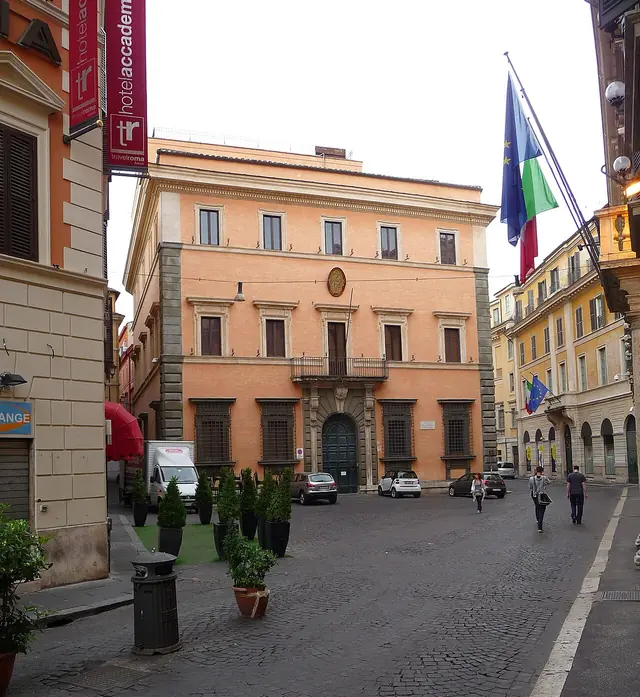
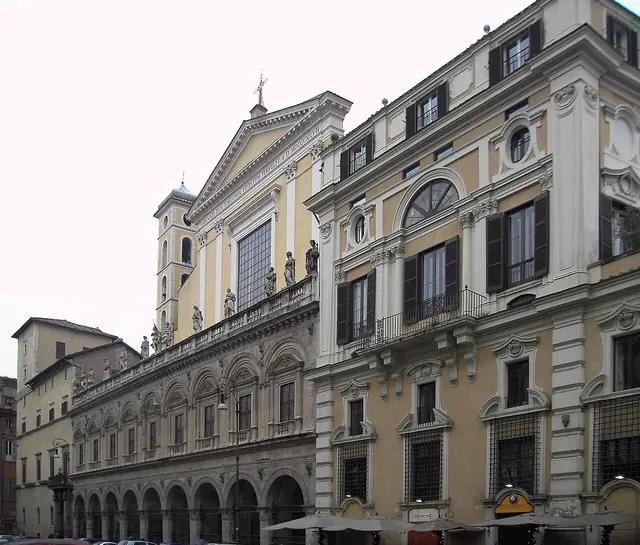
Palazzo Sciarra Colonna, at Via Marco Minghetti 22, is the heart of the complex: it houses the permanent collection and the historical archive of Fondazione Roma, exhibition rooms and eighteenth-century interiors designed by Luigi Vanvitelli. Palazzo Cipolla, at Via del Corso 320, is instead used for national and international temporary exhibitions and cultural events.
The gallery on the piano nobile (main floor) follows a chronological route across four centuries, with seventeenth-century Roman paintings, views and landscapes, portraits, antique furniture, tapestries and leather wall hangings (corami). The Medagliere (medal and coin collection) displays about 400 items from a collection of more than 2,500 papal medals and coins. The vault of the former Cassa di Risparmio in Palazzo Cipolla holds an archive of paintings arranged by theme, up to the contemporary works in the Foundation’s collection.
Highlights
Gallery on the piano nobile with a chronological route across four centuries
Imago Pietatis attributed to Piermatteo d’Amelia and Madonna and Child by Alessandro Algardi
Medagliere with about 400 papal medals and coins
Vault of Palazzo Cipolla with paintings arranged by theme
Eighteenth-century rooms by Luigi Vanvitelli and historical archive
Permanent exhibitions
Collezione permanente di Palazzo Sciarra Colonna – Gallery on the piano nobile with paintings, sculptures, furniture and views, the Medagliere and a section on glyptics (carved gems and stones).
Il caveau di Palazzo Cipolla – Archive of paintings arranged by theme in the former vault of the Cassa di Risparmio, with contemporary works from the Fondazione Roma collection.
Founded
1999
Operated by
Fondazione Roma
Admission & discounts
Admission is free.
Students & apprentices
–Schools: €100 for the visit, €135 for the workshop with visit.
Groups
–Groups: €120 per group.
Thematic guided tour (about 60 minutes, maximum 25 people)
€7Booking required
Admission to Palazzo Sciarra Colonna (permanent collection) is free and includes the audio guide; the exhibitions at Palazzo Cipolla are charged.
Accessibility
Wheelchair accessible
Elevator
Accessible restroom: no information
Accessible parking: no information
Service dogs welcome: no information
Tactile models & exhibits: no information
Sign language tours: no information
Easy-to-read materials: no information
Audio description: no information
Both venues are accessible to people with reduced mobility; it is advisable to contact the museum in advance. The lift is reserved for people with motor disabilities and their companions. The website offers an accessibility toolbar.
Kids & families
Stroller-friendly: not available
Strollers are not permitted in the rooms.
Getting there & parking
By public transit
Corso/Minghetti · 1-min walk
Buses stop at Corso/Minghetti and Largo Chigi; metro line A, stops Barberini or Spagna.
Both venues are located in the ZTL (limited traffic zone) of the historic centre, with restricted access at certain times. The Largo Chigi bus stop is about 4 minutes on foot away, the metro stations about 10 minutes.
Booking is recommended for Palazzo Sciarra Colonna. Thematic guided tours take place at weekends (Saturday at 16:30, Sunday at 11:30) by reservation; the historical archive can be visited on the first weekend of the month, on the Sunday at 10:30. Bags and backpacks, strollers, food and drink are not permitted; guide dogs are admitted.