Museo apistico di Bologna
Small beekeeping museum in Bologna with historic beehives, tools and anatomical models of the honeybee; visits by arrangement.
Have only individual sections read aloud
About the museum
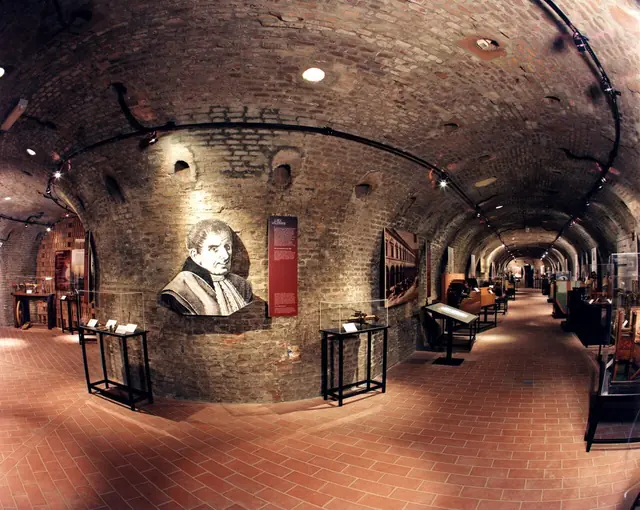
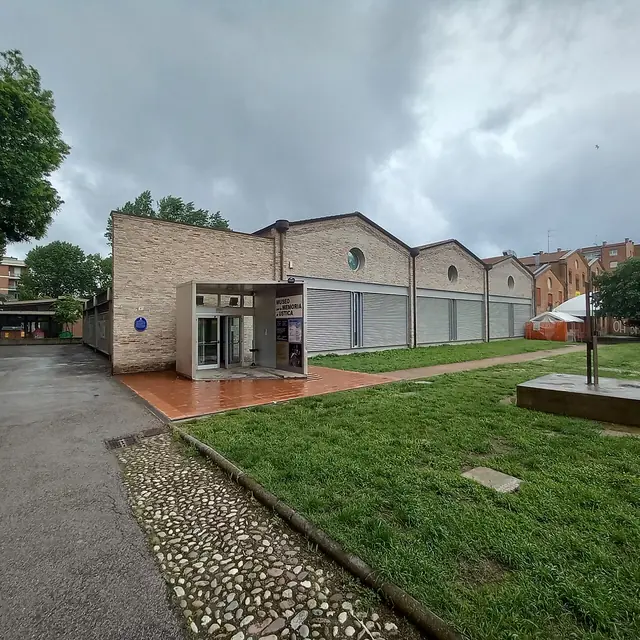
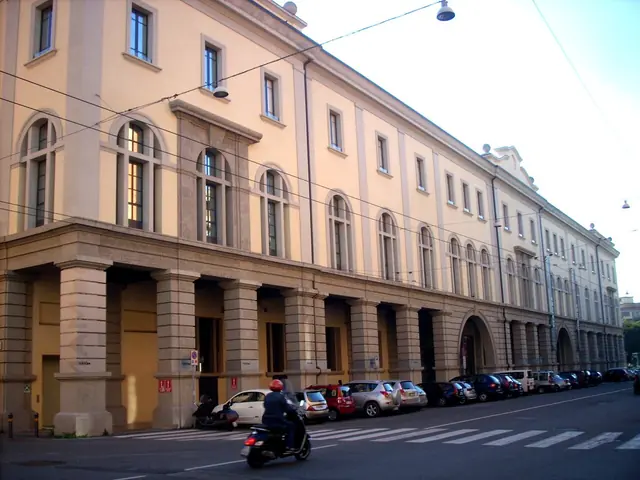
The museum is housed at the beekeeping and silkworm-rearing research unit in Bologna, now part of the CREA (Centro di ricerca Agricoltura e Ambiente), and tells the story and techniques of beekeeping.
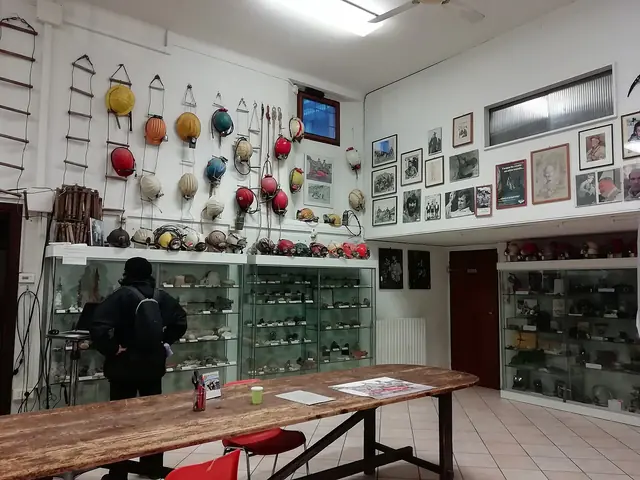
The collection brings together tools and working implements, partly donated over the years, and beehives used in various parts of Italy between the 19th and 20th centuries. There are also wooden models of rural apiaries, anatomical models of the bee and anatomical charts that were used to teach beekeeping at the Faculty of Agriculture of the University of Bologna.
Among the most interesting pieces is a mid-19th-century German honey extractor, Rauschenfels model, considered one of the first honey extractors used in beekeeping.
Highlights
- Historic beehives used in various Italian regions between the 19th and 20th centuries
- Mid-19th-century German honey extractor, Rauschenfels model
- Wooden models of rural apiaries
- Anatomical models and charts of the bee used for teaching
- Operated by
- CREA – Centro di ricerca Agricoltura e Ambiente
Admission & discounts
Admission is free.
Free admission according to the Musei Online portal.
Accessibility
The museum hasn’t published any information on this.
Kids & families
The museum hasn’t published any information on this.
Getting there & parking
The museum hasn’t published any information on this.
Amenities & dining
The museum hasn’t published any information on this.
Events & venue rental
The museum hasn’t published any information on this.
Plan your visit
| Good to know | The museum is located inside a research institute: opening times must be requested and arranged before the visit. |
|---|