Museo archeologico nazionale Giuseppe Andreassi e Parco archeologico di Egnazia
National museum and archaeological park of ancient Gnathia in Fasano: thirty centuries of history, from the Bronze Age to the Middle Ages, with the Via Traiana and early Christian basilicas.
Have only individual sections read aloud
About the museum
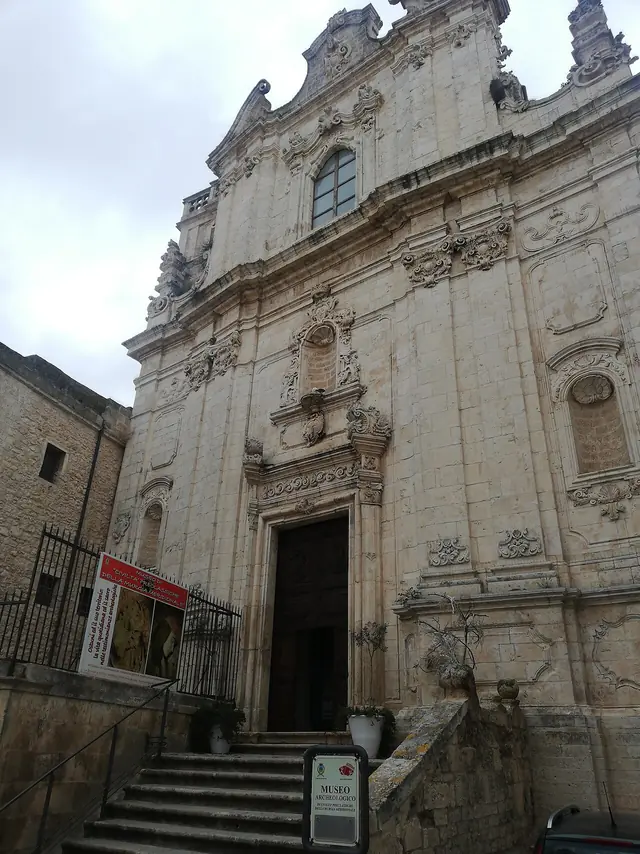
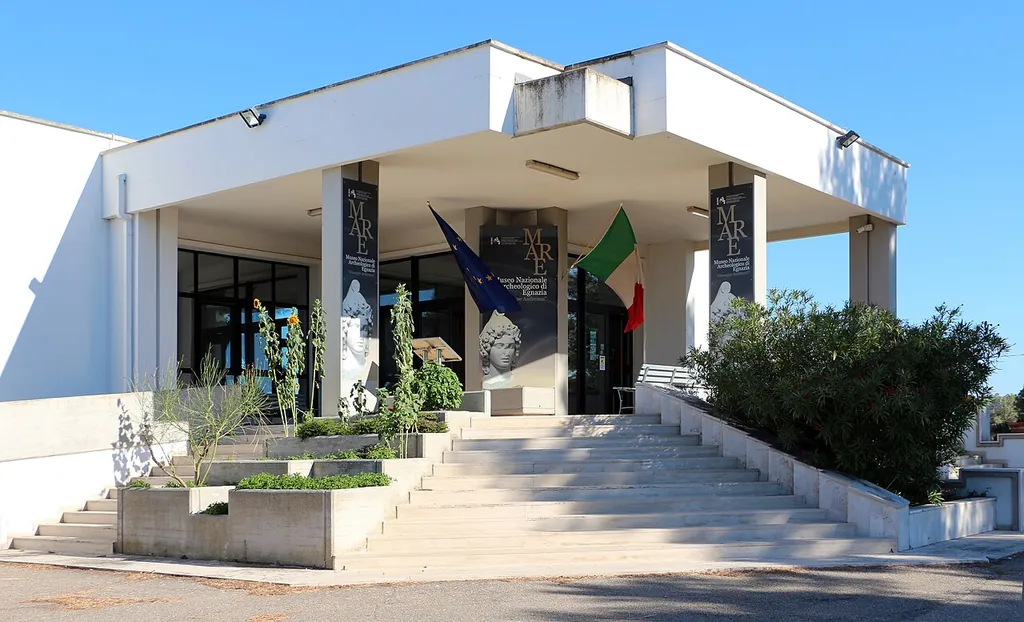
The National Archaeological Museum of Egnazia is named after Giuseppe Andreassi, director of the museum and archaeological area from 1976 to 1985 and later archaeological superintendent for Apulia until 2009. It stands outside the walls of ancient Gnathia, in the area of the Messapian necropolis, and its displays trace thirty centuries of settlement history, from the Bronze Age to the Middle Ages.
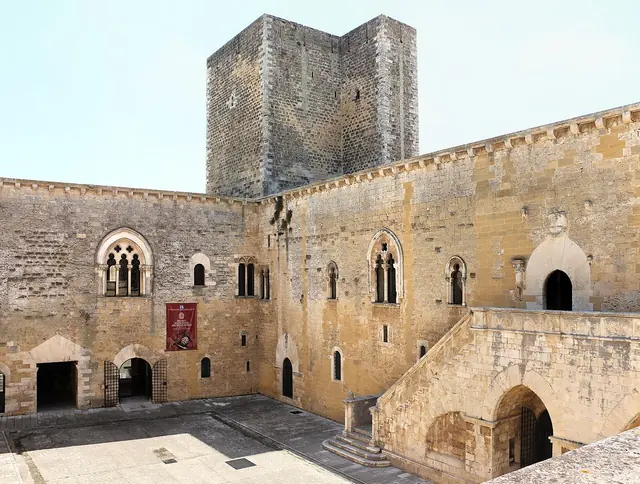
The town, mentioned by classical authors for its favourable geographical position, was a strategic trading port between West and East. The first settlement dates to the 16th century BC and continued into the Iron Age; towards the end of the 6th century BC Egnazia became a centre of Messapia. From the 3rd century BC, with the Roman presence, it underwent major urban transformations, and from the 1st century BC it had the status of municipium, of great importance thanks to its port and the Via Traiana. From the 6th century AD the lower town was gradually abandoned and life continued on the acropolis until the 13th century.
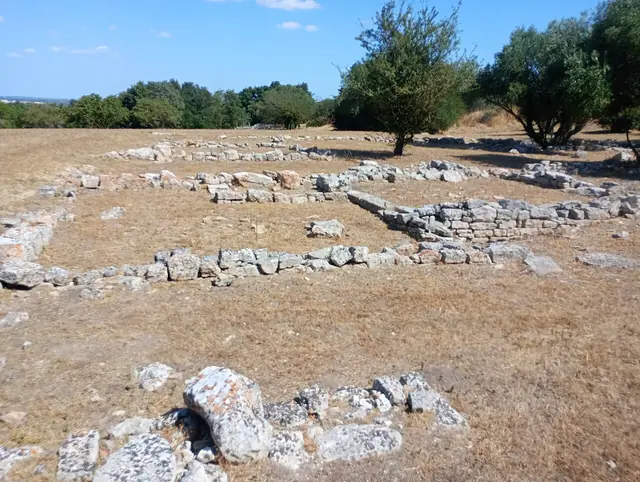
The exhibition is arranged in seven sections: from the huts of the Bronze Age to the Iapygian and Messapian culture, including the Tomba delle Melagrane, an exceptional painted chamber tomb of the 4th century BC, through the Roman phase and the early Christian period, when the city became a bishopric, to traces of the Lombards. In the park one can see the remains of the Via Traiana, the Basilica Civile with the aula delle Tre Grazie, the Sacello delle divinità orientali (shrine of the Eastern deities), the colonnaded piazza, the cryptoporticus, the baths and the Christian basilicas, originally paved with mosaics.
Highlights
- Tomba delle Melagrane, a painted chamber tomb of the 4th century BC
- Remains of the Via Traiana and of the Basilica Civile with the aula delle Tre Grazie
- Sacello delle divinità orientali, cryptoporticus and baths
- Episcopal basilica with baptistery and southern basilica with mosaics
- Terracotta group with a funerary banquet scene and statue of Demeter
- Underwater exhibition route “Opera viva” in the park
Permanent exhibitions
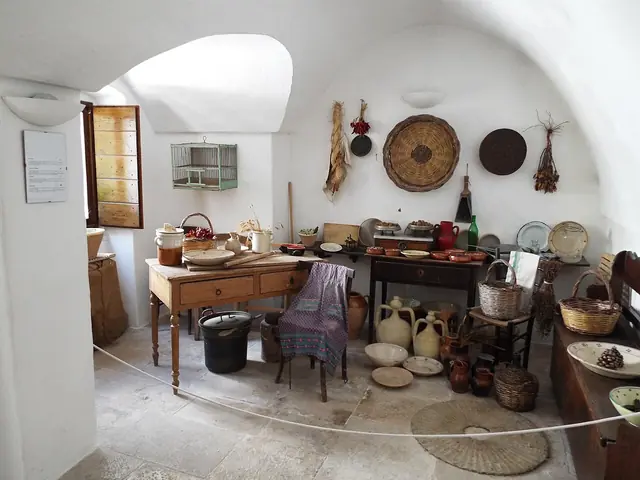
- Museo archeologico nazionale Giuseppe Andreassi – Seven-section route from the Bronze Age to the Middle Ages, with the Tomba delle Melagrane, grave goods, a terracotta group with a banquet scene and the statue of Demeter.
- Parco archeologico di Egnazia – Remains of the Roman and early Christian town: Via Traiana, Civil Basilica, colonnaded piazza, cryptoporticus, baths and basilicas.
- Operated by
- Direzione regionale Musei nazionali Puglia
- Visitors per year
- approx. 25,125
Admission & discounts
| Adults | €10 |
|---|---|
| Reduced | €2 |
| Museum only | €8 |
The standard ticket (€10) covers the museum and the archaeological park; the museum-only ticket costs €8. Booking is optional via Aditus Culture.
Accessibility
The museum hasn’t published any information on this.
Kids & families
The museum hasn’t published any information on this.
Getting there & parking
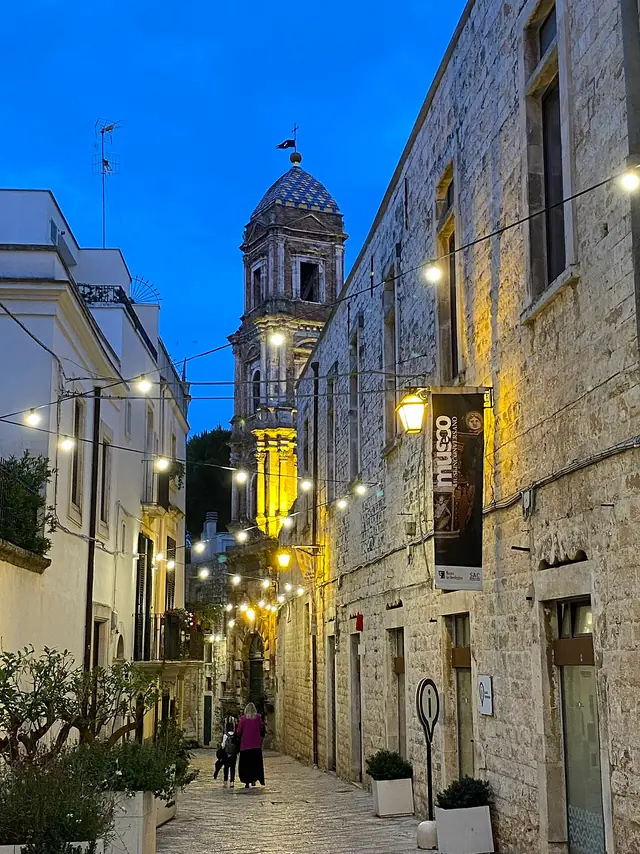
The museum and park are located in Savelletri di Fasano, in Via delle Carceri.
Get directionsAmenities & dining
The museum hasn’t published any information on this.
Events & venue rental
The museum hasn’t published any information on this.
Plan your visit
| Good to know | The site publishes a service charter. Tickets and optional bookings via Aditus Culture (info@aditusculture.com). |
|---|