Museo archeologico Ranuccio Bianchi Bandinelli
Civic museum in the 14th-century Palazzo Pretorio in Colle di Val d'Elsa, with Etruscan finds from the area and the cells of the Stanze della memoria.
Have only individual sections read aloud
About the museum
The museum was founded in 1976 as the Antiquarium comunale, to display the materials of the Terrosi collection purchased by the Comune in 1972, and is named after the Sienese scholar Ranuccio Bianchi Bandinelli, who was the first to devote himself to the archaeological exploration of the Valdelsa. Over the years the collections grew thanks to excavations carried out in the area, until it became one of the most important museums in the province of Siena.
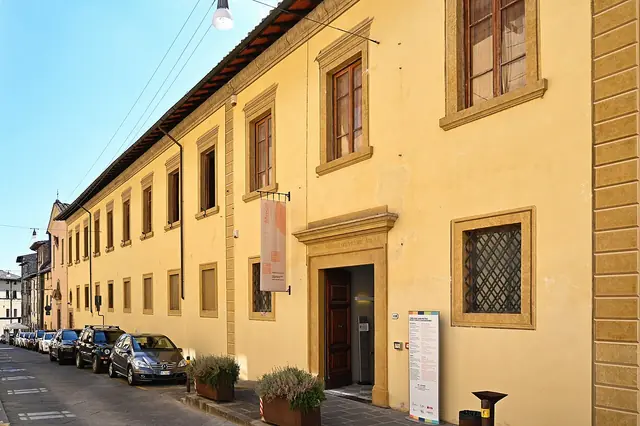
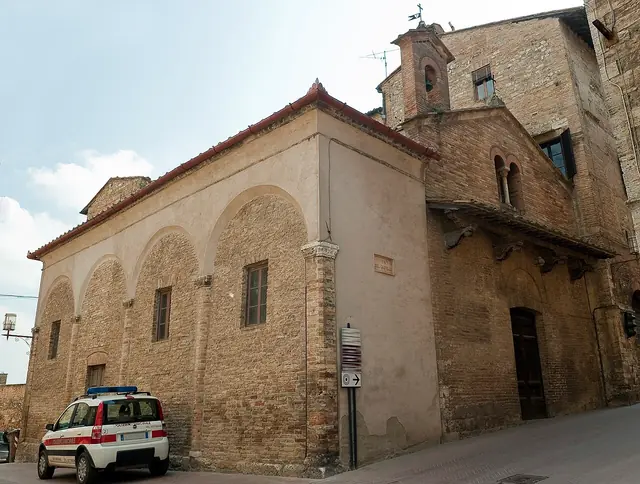
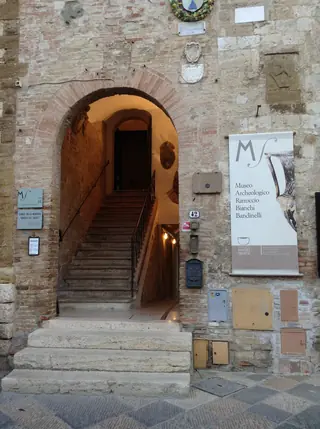
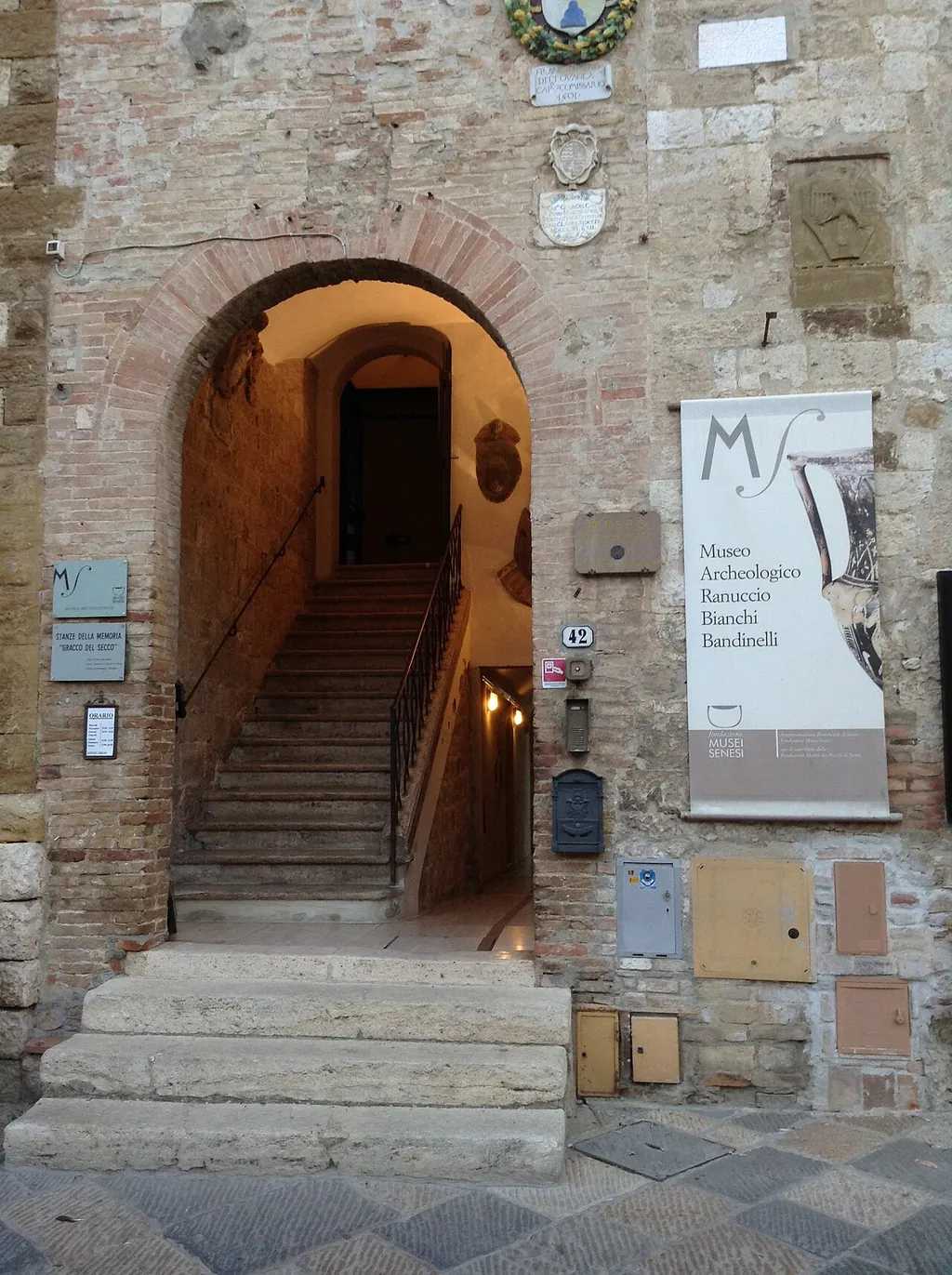
The museum is housed in the Palazzo Pretorio, or Palazzo del Podestà, in the oldest district of Colle, overlooking Piazza del Duomo and decorated on its façade with the coats of arms of the podestà and commissioners. The building is the result of the union of several earlier structures: in 1336 it was converted into a Florentine fortress (rocca) and later became the seat of the city government and a prison, which closed in 1924. Traces of fresco decoration, largely heraldic, survive on the upper floors. After adaptation and restoration works, the museum reopened in November 2025.
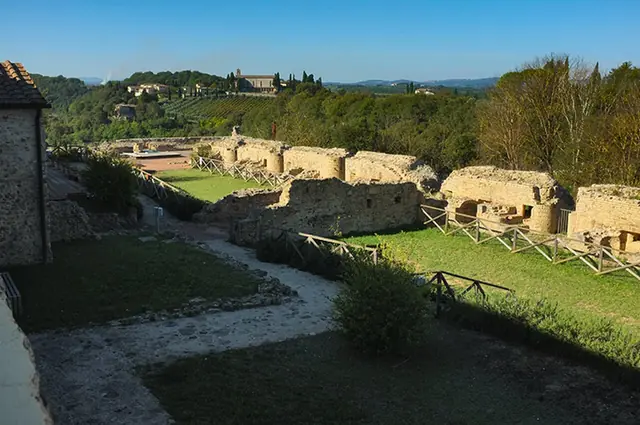
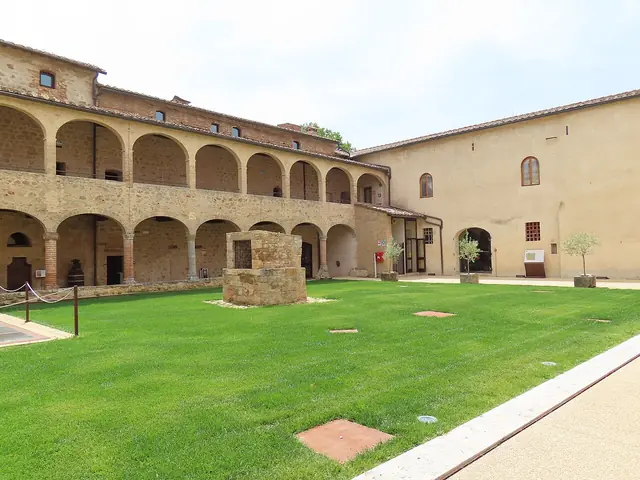
The route presents only material from the local area, from the Eneolithic to the Middle Ages, and tells the story of the development of Etruscan society in the Valdelsa in relation to nearby Volterra. Outstanding are the finds from the necropolises of Le Ville and Dometaia and the rich grave goods of the tomb of the aristocratic Calisna epu family at Monteriggioni, with 105 burials and bronze mirrors. The visit ends with the Stanze della memoria (Rooms of Memory) “Gracco Del Secco”, the former cells where the inscriptions of political prisoners detained between 1919 and 1924 can still be read. In the garden stands the work “Concrete Blocks” by Sol LeWitt, from 1997.
Highlights
- Grave goods of the tomb of the Calisna epu, with bronze mirrors and black-gloss vases
- Finds from the Etruscan necropolises of Le Ville and Dometaia
- Stanze della memoria (Rooms of Memory) “Gracco Del Secco”: cells and inscriptions of political prisoners
- Rooms of the Palazzo Pretorio with heraldic decorations and frescoes
- “Concrete Blocks” by Sol LeWitt in the garden
Permanent exhibitions
- Collezione archeologica – Fifteen rooms with finds from the Eneolithic to the Middle Ages, particularly Etruscan, from the necropolises of Le Ville and Dometaia and from the tomb of the Calisna epu.
- Stanze della memoria «Gracco Del Secco» – Route through the cells of the Palazzo Pretorio prison, with the inscriptions of political prisoners detained between 1919 and 1924.
- Founded
- 1976
- Operated by
- Comune di Colle di Val d'Elsa (Colle Musei)
Admission & discounts
| Adults | €6 |
|---|---|
| Reduced | €4 |
Prices given by Museionline (February 2026). The civic museums of Colle offer a combined ticket, reductions and free admission for certain categories. Tickets can be bought at the ticket office or online.
Accessibility
- Wheelchair accessible
- Elevator
- Accessible restroom: no information
- Accessible parking: no information
- Service dogs welcome: no information
- Tactile models & exhibits: no information
- Sign language tours: no information
- Easy-to-read materials: no information
- Audio description: no information
According to the Carta dei servizi (service charter) of the Musei civici di Colle (2024), the museums have handrails, lifts and seating along the route.
Kids & families
The museum hasn’t published any information on this.
Getting there & parking
By car
Free parking · 200 m to the entrance
Free parking about 200 m from the museum, according to the service charter of the civic museums.
Amenities & dining
Free parking about 200 metres away.
Events & venue rental
The museum hasn’t published any information on this.
Plan your visit
| Guided tours | yes |
|---|---|
| Audio guide | yes |
| School programs | yes |
| Good to know | Audio guides via QR code and multilingual signage in the civic museums; guided tours and educational visits for schools on request. |