Museo archeologico regionale eoliano Luigi Bernabò Brea
Museum in the Castello di Lipari with finds from the excavations in the Aeolian Islands, from the Neolithic to the Roman age, including obsidian, red-figure kraters and theatre masks.
Have only individual sections read aloud
About the museum
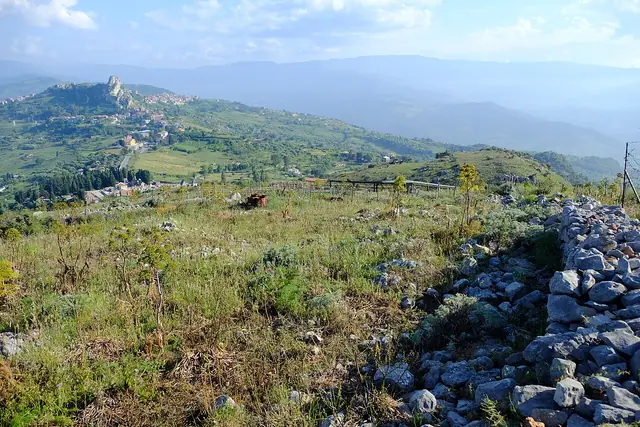
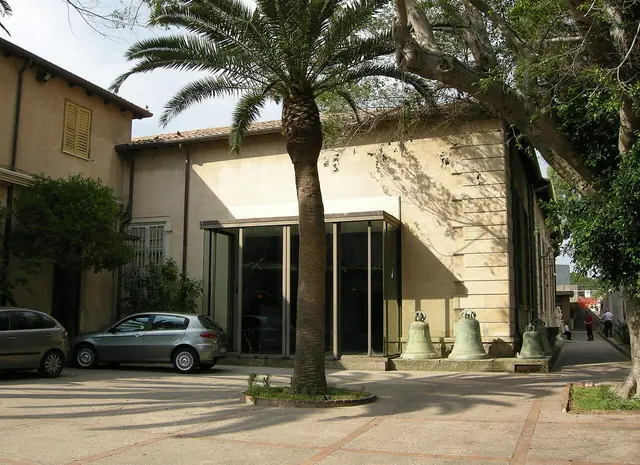
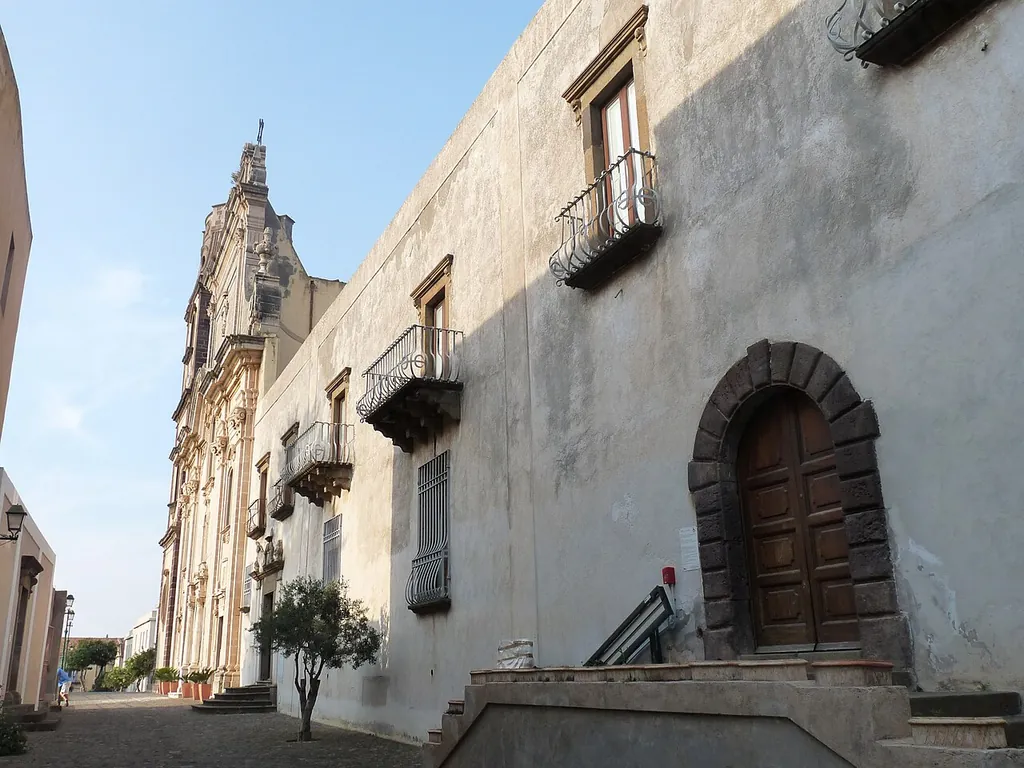
The museum, founded in 1954, is the main seat of the Parco archeologico delle Isole Eolie and bears the name of the archaeologist Luigi Bernabò Brea, who led its excavations. It stands on the Castello di Lipari, in a complex of restored historic buildings, to which the twentieth-century buildings of the Fascist confinement camp are added.
A distinctive feature of the collections is that they all come from the excavations carried out in the archipelago from 1950 to the present: each object is linked to a precise context of provenance, such as a site, a layer, a hut, a tomb, a sanctuary or a shipwreck. The route, in chronological order, begins with the earliest Neolithic (5500–5000 BC), when the first communities settled on Lipari to exploit obsidian, and continues through the Bronze Age to the Greek and Roman periods, when the city organised itself with an acropolis, a city of the living and a city of the dead.
Almost three thousand tombs come from the necropolis, with grave goods that tell of myths, religion and the tastes of the time; the red-figure kraters linked to the world of Dionysus and the room of theatre masks stand out. One sector is devoted to underwater archaeology, with reconstructions of the cargoes of Greek and Roman ships sunk in Aeolian waters. In 2014 the former prison hosted the permanent contemporary art exhibition “Mare Motus”, with installations by artists such as Mitoraj, Ben Jelloun and Plessi on the theme of freedom and the sea.
Highlights
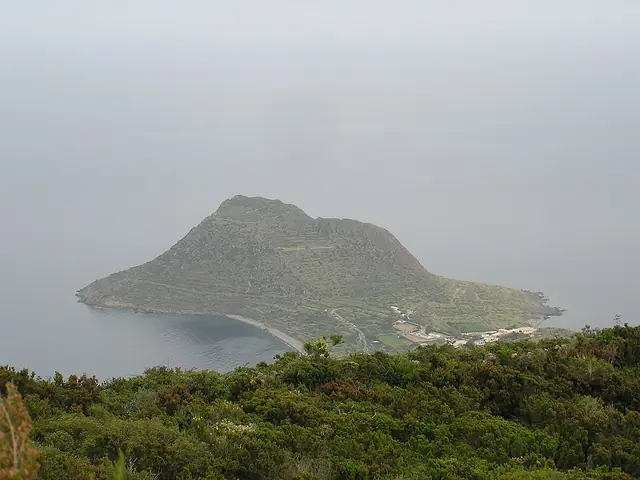
- Sections on the prehistory of Lipari and the smaller islands, with obsidian
- Room of red-figure kraters linked to the world of Dionysus
- Theatre masks of tragedy, comedy and the satyr play
- Underwater archaeology with the cargoes of ancient shipwrecks
- Permanent exhibition “Mare Motus” in the former prison
- Castello di Lipari on the rock above the port
- Founded
- 1954
- Operated by
- Parco archeologico delle Isole Eolie (Regione Siciliana)
Admission & discounts
| Adults | €8 |
|---|---|
| Reduced | €4EU citizens aged 18 to 25 (50% reduction). |
| Children & teens | freefree up to age 17 · Free admission under 18; children under 12 must be accompanied by an adult. |
| Visitors with disabilities | freecompanion free · Free admission for people with disabilities and one family member or companion. |
| Groups | –Free admission for groups of students and teachers from EU schools, by booking. |
Free admission: Free admission on the first Sunday of the month and on special events announced by the Region.
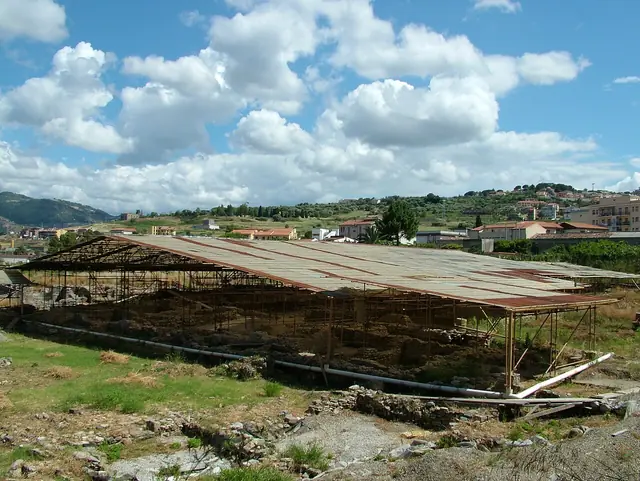
Free admission also for ICOM members, EU tourist guides and interpreters, teachers, journalists and other categories provided for by regional regulations. The archaeological areas of the Castello, Contrada Diana, the Saline di Lingua, the village of Capo Graziano and the Filicudi section are free of charge.
Accessibility
- Wheelchair accessible: no information
- Elevator: no information
- Accessible restroom: no information
- Accessible parking: no information
- Service dogs welcome: no information
- Tactile models & exhibits: no information
- Sign language tours: no information
- Easy-to-read materials: no information
- Audio description: no information
The museum has a multisensory laboratory. The website does not publish details on the accessibility of the route in the Castello.
Kids & families
| Kids’ admission | free up to age 17 |
|---|
- Hands-on stations
The museum offers a multisensory laboratory and educational activities.
Getting there & parking
The museum is on the Castello di Lipari, in Via Castello; the seat of the Parco archeologico delle Isole Eolie is in the same place.
Get directionsAmenities & dining
The museum hasn’t published any information on this.
Events & venue rental
The museum hasn’t published any information on this.
Plan your visit
| School programs | yes |
|---|---|
| Good to know | The route is laid out in six thematic pavilions (history of the museum and of the excavations, prehistory of Lipari and foundation of the Greek city, prehistory of the smaller islands, epigraphy, Greek and Roman age), plus the former prison with contemporary art; the pavilions on volcanology and on the Bernabò Brea residence are being set up. |