Museo Civico di Bormio
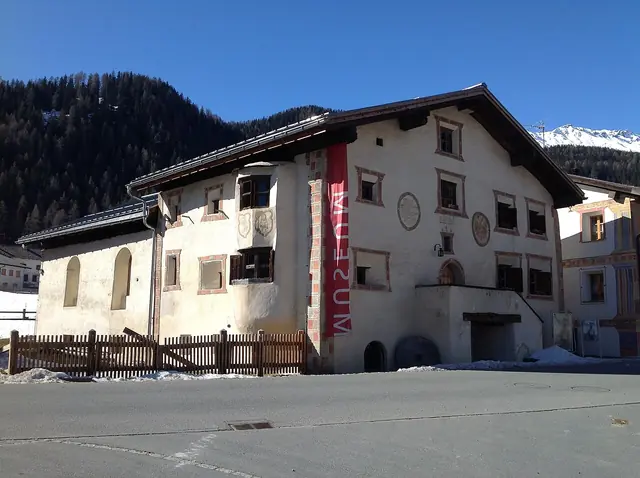
Museum in Bormio’s Palazzo De Simoni: 27 rooms on art, history, ethnography, winter sports and wars, with wooden sculptures, paintings, furnishings and historic means of transport.
Have only individual sections read aloud
About the museum
The Museo Civico di Bormio is housed in the Palazzo De Simoni, in Via Buon Consiglio, and was founded in the 1960s (according to the sector records in 1962; it became municipal in 1967). Today it spans twenty-seven rooms that present the history, art, ethnography and customs of a mountain town which over the centuries seized opportunities, formed alliances and made use of the resources of its territory. It is part of the Sistema Museale della Valtellina.
The art section, carefully curated and presented in period settings, includes paintings, wooden sculptures, frescoes, furnishings, relics and contemporary artworks. Woodcarving, encouraged by the abundance of raw material and by a cultured patronage, is documented by numerous pieces, including altarpieces with folding wings. The ethnographic section shows everyday life in former times, marked by hard work and deep religious devotion, with tools linked to farming, dairy production and crafts.
Other areas include a section on snow sports, which were decisive for Bormio’s tourist development, and a section on the wars of the 19th and 20th centuries, in particular the First World War fought in the mountains around the town. The route ends with old means of transport – sledges, carriages and stagecoaches – that recall the era of the Alpine passes.
Highlights
- Twenty-seven rooms in the Palazzo De Simoni
- Wooden sculptures and altarpieces with folding wings
- Ethnographic section on mountain life
- Room dedicated to winter sports
- Historic sledges, carriages and stagecoach
Permanent exhibitions
- Percorso storico-artistico – Paintings, wooden sculptures, frescoes, furnishings and relics from the churches and palaces of the Bormio valley, including the palace’s representative hall.
- Percorso etnografico – Tools and objects of everyday mountain life, from farm and dairy work to crafts and transport.
- Sport della neve e guerre – A section on the tourist development linked to winter sports and one on the conflicts of the 19th and 20th centuries, above all the First World War in the mountains of Bormio.
- Founded
- 1962
- Operated by
- Comune di Bormio
- Visitors per year
- approx. 10,248
Admission & discounts
| Adults | €5 |
|---|---|
| Reduced | €3groups of more than 15 people, university students up to 25 years old, residents of the municipality of Bormio |
| Children & teens | freefree up to age 17 · Free admission for under-18s accompanied by adults. |
| Visitors with disabilities | freecompanion free · Free admission for people with disabilities accompanied by a companion. |
| Families | €8Two parents with at least one child. |
Free admission: visitor’s birthday
The full-price ticket is for people aged 18 to 65. Admission is also free for tourist guides, accredited journalists and on the visitor’s birthday.
Accessibility
- Wheelchair accessible: not available
- Elevator: no information
- Accessible restroom: no information
- Accessible parking: no information
- Service dogs welcome: no information
- Tactile models & exhibits: no information
- Sign language tours: no information
- Easy-to-read materials: no information
- Audio description: no information
The museum is housed in a historic building which, according to the museum itself, does not meet accessibility requirements for people with mobility difficulties.
Kids & families
The museum hasn’t published any information on this.
Getting there & parking
The museum hasn’t published any information on this.
Amenities & dining
The museum hasn’t published any information on this.
Events & venue rental
The museum hasn’t published any information on this.
Plan your visit
| School programs | yes |
|---|---|
| Good to know | The museum takes part in “Scuola in museo”, the educational service of the Sistema Museale della Valtellina, which offers visits and workshops for all school levels. |