Museo Civico di Bracciano
Small free civic museum in the former convent of Santa Maria Novella, with Etruscan and Roman finds, the Apollo di Vicarello and sacred art; very attentive to accessibility.
Have only individual sections read aloud
About the museum
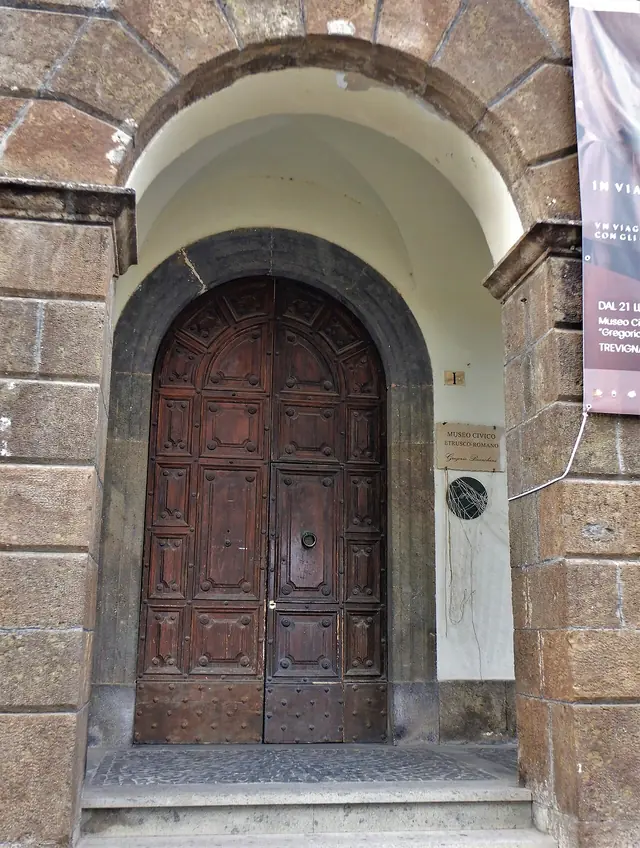
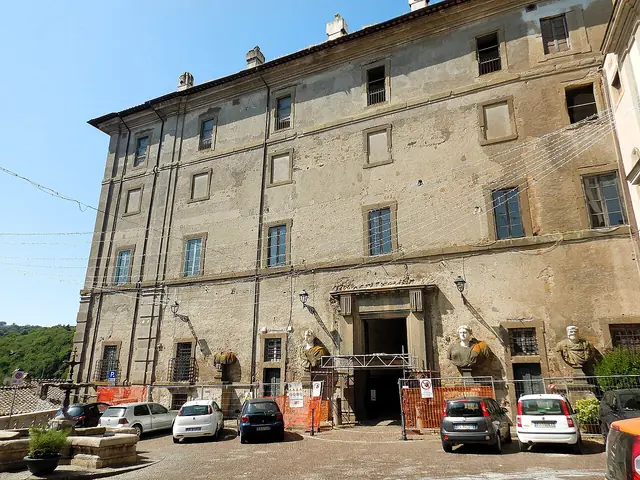
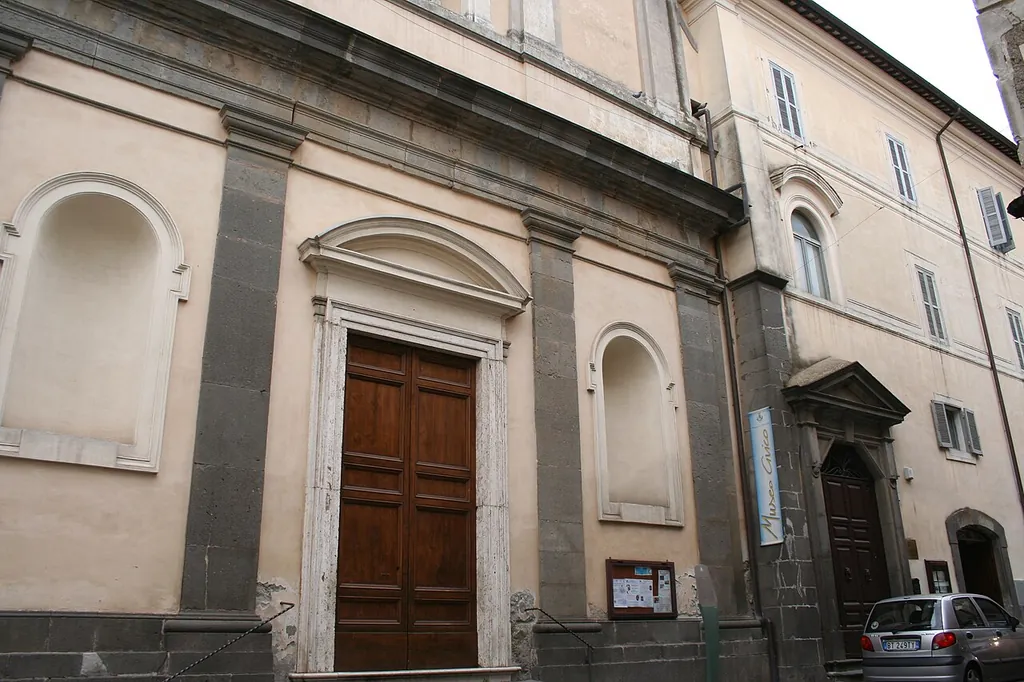
The Bracciano civic museum was opened on 1 April 2006 on the ground floor of the former Augustinian convent of Santa Maria Novella, founded in the 15th century at the wish of Cardinal Giordano Orsini. After the suppression of the religious orders, the Municipality bought the complex in 1873; over time it housed schools, a post office, a court and a prison. Between 1998 and 2003 it was restored with state and European funds.
The five rooms present the history of the town from the Etruscan age to the 20th century: the community and its institutions, the Etruscan age with material from the area between Cerveteri and Veii, the Roman and early Christian age with the finds from Vicarello and Forum Clodii, works by local patrons and artists, and sacred art from the church of Santa Maria Novella. In 2020 the Panunzi family donated an archaeological collection.
The museum has been recognised by the Lazio Region for good practice in accessibility and education, with multisensory stations, tactile reproductions, Braille captions and videos in Italian Sign Language (LIS).
Highlights
- Apollo di Vicarello, on loan from the State
- Venere e Adone, a 17th-century sculpture by Cristoforo Stati
- Genucilia dish with the complete Latin alphabet
- Sacred vestments and talking mannequins with audio
- Multisensory stations, tactile reproductions and videos in LIS
Permanent exhibition
- Collezioni di arte e archeologia di Bracciano – Five rooms devoted to the community, the Etruscan age, the Roman and early Christian age, local patrons and artists, and sacred art.
- Founded
- 2006
- Operated by
- Comune di Bracciano
- Visitors per year
- approx. 2,163
Admission & discounts
Admission is free.
Admission to the museum is free. Guided tour of the museum (about 1 hour) for groups of up to 30 people: €70; visit to the museum and the historic centre (about 1 hour and a half): €90, currently suspended.
Accessibility
- Wheelchair accessible: no information
- Elevator: no information
- Accessible restroom: no information
- Accessible parking: no information
- Service dogs welcome: no information
- Tactile models & exhibits
- Sign language tours: no information
- Easy-to-read materials: no information
- Audio description
Since 2009 the museum has had multisensory stations (Apollo di Vicarello, Venere e Adone), tactile reproductions of sculptures and paintings, Braille captions, audio descriptions, videos in LIS and a tactile floor route for blind and visually impaired people. Panels and content are bilingual (Italian and English).
Kids & families
Great for kids & families
- Family tours & workshops
- Activity booklet, scavenger hunt or kids’ audio guide
The museum runs family weekends (information on its Facebook page), a “Giochi” section in the multimedia resources and workshops for schools.
Getting there & parking
By public transit
Stazione di Bracciano · 5-min walk · 450 m
By train from Rome Tiburtina or Rome Ostiense, about 1 hour's journey.
From Bracciano station to the museum entrance it is a 5-minute walk (450 m, slightly downhill).
Get directionsAmenities & dining
- Museum shop
Small bookshop at the entrance with publications, postcards, reproductions and bookmarks.
Events & venue rental
The museum hasn’t published any information on this.
Plan your visit
| Guided tours | yes · approx. 60 min |
|---|---|
| Audio guide | no |
| School programs | yes |
| Good to know | Audio points with headphones in the rooms, multimedia content and a “Giochi” (games) section; guided tours are booked at the bookshop or by telephone. A range of workshops is available for schools. |