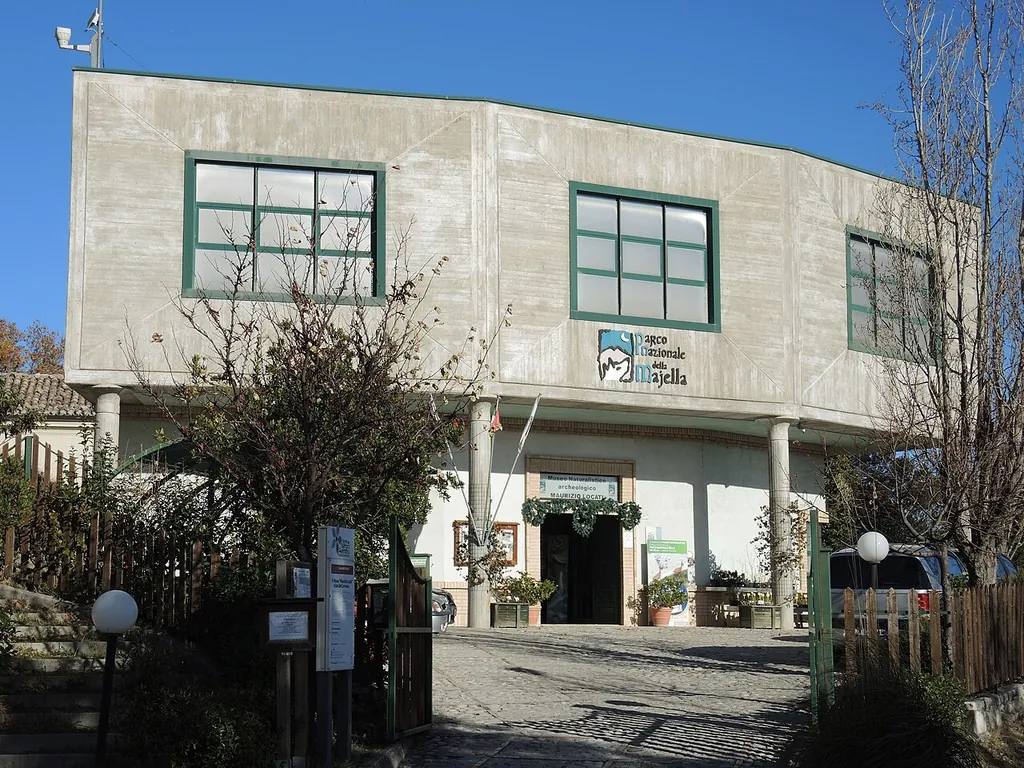
Museo naturalistico archeologico Maurizio Locati
Museum in Lama dei Peligni with natural history and archaeology sections on the Maiella, dedicated to the Abruzzo chamois and the Maiella Man.
Have only individual sections read aloud
About the museum
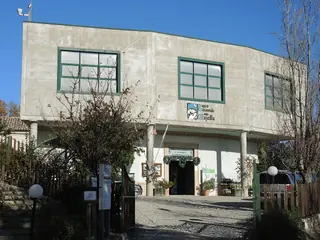
The museum, named after the Milanese zoologist Maurizio Locati, occupies two rooms where panels, dioramas, multimedia displays and natural and archaeological finds tell the story of the Maiella area.
The archaeology section, dedicated to Francesco Verlengia, opens with a reconstruction of a Maiella cave with rock paintings and presents finds from prehistory to the Middle Ages discovered at Lama dei Peligni and in neighbouring villages: pottery, coins, grave goods with iron and bronze objects, funerary inscriptions from the imperial Roman age, and a cast of the Uomo della Maiella (Maiella Man). The original skeleton, found in the excavations at Fonterossi, is about seven thousand years old.
The natural history section focuses on the Abruzzo chamois, one of which lives in an area on the plateau above the museum. Nearby is the Michele Tenore botanical garden, with around five hundred plant species, largely endemic to the central Apennines or found only on the Maiella massif.
Highlights
- Reconstruction of a Maiella cave with rock paintings
- Cast of the Maiella Man, about 7,000 years old
- Section on the Abruzzo chamois
- Finds from prehistory to the Middle Ages
- Michele Tenore botanical garden nearby
Permanent exhibition
- Natura e archeologia della Maiella – Two rooms with panels, dioramas and finds on nature, the Abruzzo chamois and the archaeology of the area.
- Visitors per year
- approx. 4,500
Admission & discounts
The museum hasn’t published any information on this.
Accessibility
The museum hasn’t published any information on this.
Kids & families
The museum hasn’t published any information on this.
Getting there & parking
The museum hasn’t published any information on this.
Amenities & dining
The museum hasn’t published any information on this.
Events & venue rental
The museum hasn’t published any information on this.