Piccolo Museo San Paolo
Museum in the Palazzo della Cultura in Reggio Calabria with over 180 icons from the Balkans, Greece, Russia and Calabria, and a picture gallery from the 14th to the 19th century.
Have only individual sections read aloud
About the museum
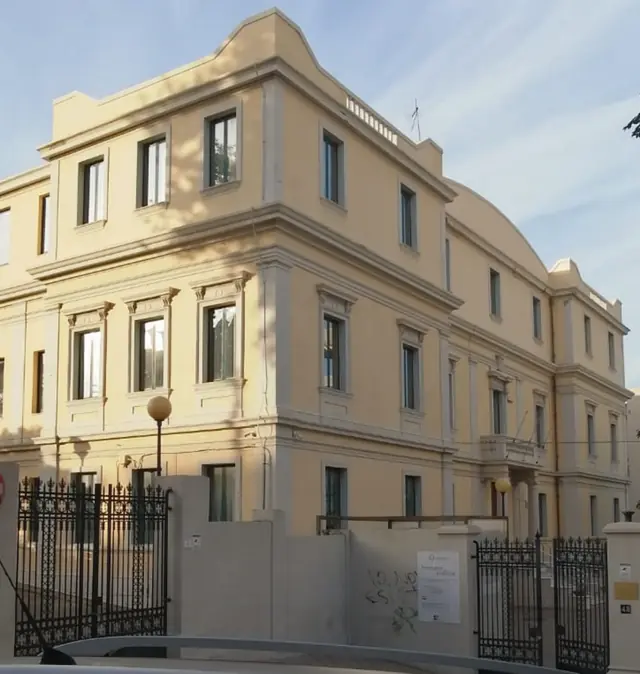
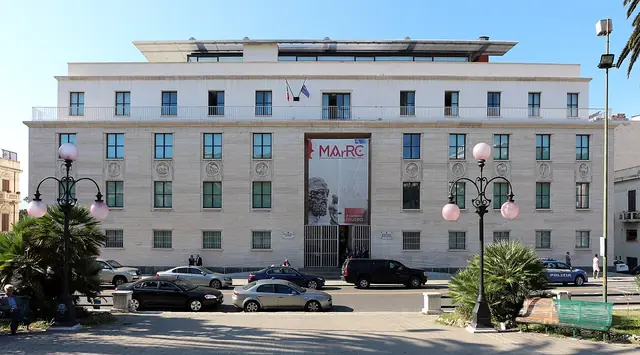
The museum grew out of the collection of Monsignor Francesco Gangemi (Reggio Calabria, 1906), who for more than sixty years was a priest of the church of San Paolo di Rotonda, as well as a teacher, writer and art collector. The collections were first kept in rooms behind the church and later moved to the ground floor of the Palazzo della Cultura in Reggio Calabria after its restoration.
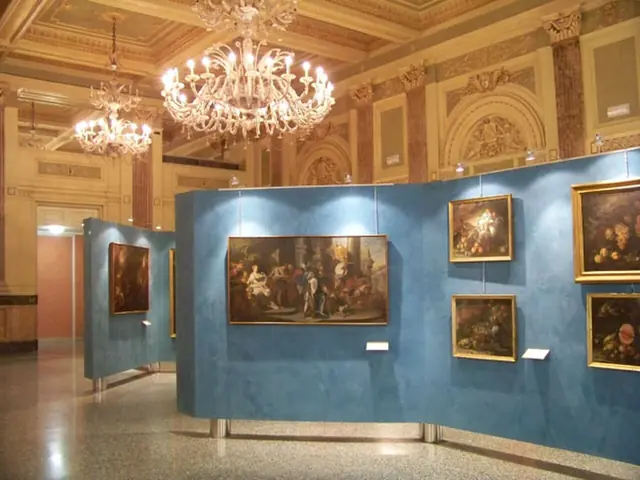
The most important core is a large collection of icons of different periods, coming above all from Russia, Romania, Bulgaria and Greece, as well as from Calabria; some are very rare and document the long presence of the Orthodox tradition in southern Italy. The picture gallery includes more than one hundred paintings from the 14th to the 19th century, of the Neapolitan, Flemish and southern Italian schools.
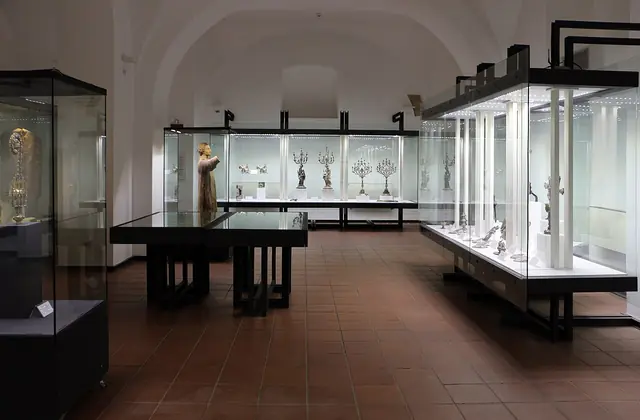
The collections are completed by ivory sculptures, sacred silverware such as chalices and monstrances, and a library with ancient parchments.
Highlights
- Over 180 icons from the Balkans, Greece, Russia and Calabria
- Russian icon with a calendar of thirty saints
- Panel of Saint Michael slaying the dragon, attributed to Antonello da Messina
- Picture gallery with paintings from the 14th to the 19th century
- Sacred silverware, ivories and ancient parchments
- Operated by
- Fondazione Piccolo Museo San Paolo
Admission & discounts
Admission is free.
Free admission according to several sources.
Accessibility
The museum hasn’t published any information on this.
Kids & families
The museum hasn’t published any information on this.
Getting there & parking
The museum hasn’t published any information on this.
Amenities & dining
The museum hasn’t published any information on this.
Events & venue rental
The museum hasn’t published any information on this.
Plan your visit
| Good to know | The museum occupies the ground floor of the Palazzo della Cultura; please arrange your visit by telephone. |
|---|