Parco archeologico di Selinunte
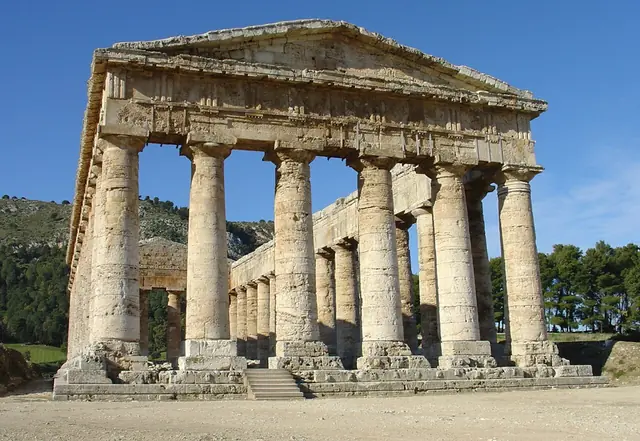
One of the largest archaeological parks in the Mediterranean, with the Doric temples of the ancient Greek city of Selinunte by the sea and the Baglio Florio.
Have only individual sections read aloud
About the museum
Selinunte was founded in the 7th century BC (according to Diodorus in 650 BC) by colonists from Megara Hyblaea, on the southern coast of western Sicily. It reached its greatest splendour between the 6th and 5th centuries BC; in 409 BC it was taken and destroyed by the Carthaginians. The city was never rebuilt to its original extent, and the site was abandoned, also because of earthquakes and the unhealthiness of the area.
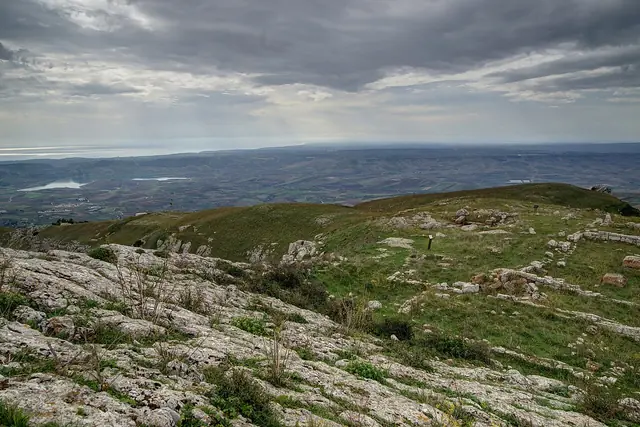
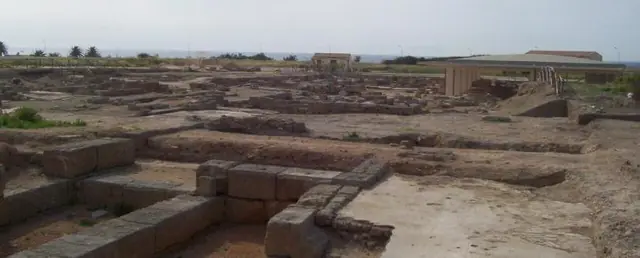
The archaeological park, established by the Regione Siciliana in 2013, extends over about 377 hectares, including dependent sites, and is one of the largest in the Mediterranean. The area comprises the Acropolis, with the great urban sanctuary and the regular settlement enclosed by walls of the Hellenistic-Punic age; the Agora; the eastern hill with temples E, F and G; and the Gàggera hill with the sanctuary of Demeter Malophoros, the sanctuary of Zeus Meilichios and the temple of Hera Matronale. The Byzantine baptistery and a recent craft quarter with numerous kilns are also known.
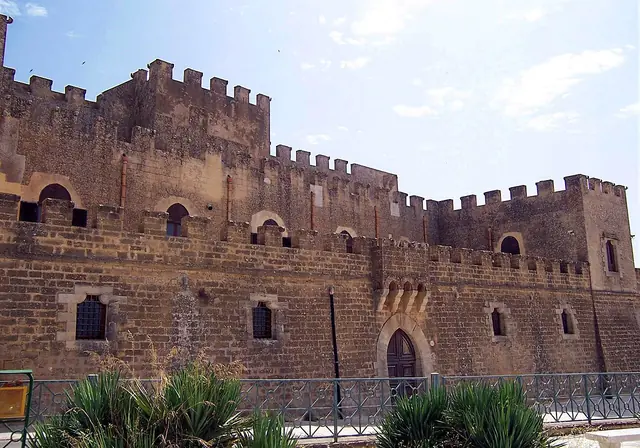
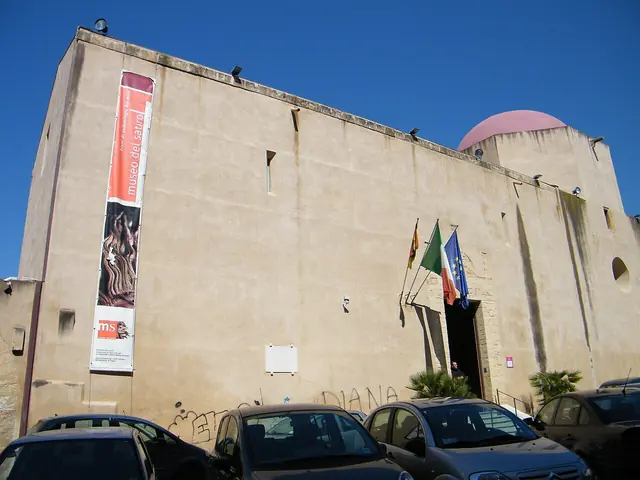
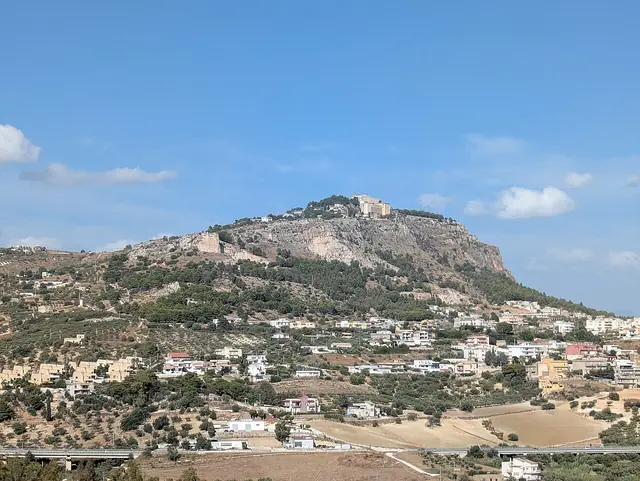
Among the main monuments are Temple C of the 6th century BC, the remains of temples A and O, Temple E attributed to Hera and Temple G, the largest on the site, never completed. The most important metopes are kept in the Museo archeologico di Palermo; part of the finds is displayed in the Baglio Florio. The Cave di Cusa, the Castello Grifeo at Partanna, the Museo del Satiro danzante at Mazara del Vallo and the sites of Pantelleria also depend on the park.
Highlights
- Temple C on the Acropolis, from the 6th century BC
- Eastern hill with temples E, F and G
- Temple G, the largest on the site, never completed
- Sanctuary of Demeter Malophoros on the Gàggera hill
- Walls and settlement of the Acropolis with orthogonal streets
- Finds displayed in the Baglio Florio
- Founded
- 2013
- Operated by
- Parco archeologico di Selinunte, Cave di Cusa e Pantelleria (Regione Siciliana)
- Visitors per year
- approx. 204,397 (2022)
Admission & discounts
| Adults | €14 |
|---|---|
| Reduced | €750% reduction for EU citizens aged 18 to 25. |
| Children & teens | freefree up to age 17 · Free admission under 18; under 12 with an adult. |
| Visitors with disabilities | freecompanion free · Free admission for people with disabilities and one family member or companion. |
| Groups | –Groups of EU students with teachers: free admission, by booking. |
Free admission: Free admission on the first Sunday of the month and on special occasions.
Ticket for the Selinunte archaeological area; the dependent sites have their own tickets (Cave di Cusa €4, Museo del Satiro €8, Castello Grifeo €6). Free admission also for EU tourist guides and interpreters, ICOM members, teachers, journalists and other categories provided for by regional regulations. Tickets and CoopCulture call centre: 0923 199 0030.
Accessibility
The museum hasn’t published any information on this.
Kids & families
The museum hasn’t published any information on this.
Getting there & parking
Two entrances: the eastern side from Marinella di Selinunte (eastern hill and Baglio Florio) and the western side from Triscina (sanctuary of the Malophoros). The park's administrative seat is in Castelvetrano, in Piazzale Bovio Marconi.
Get directionsAmenities & dining
The museum hasn’t published any information on this.
Events & venue rental
The museum hasn’t published any information on this.
Plan your visit
| School programs | yes |
|---|---|
| Good to know | The park offers maps and brochures downloadable from the website, and educational activities. Some combined tickets include the shuttle to and from the park; there is also an internal little train. |