Museo Casa de Cervantes
House in Valladolid where Cervantes lived between 1604 and 1606, with recreated rooms of his time and a programme of exhibitions and guided visits.
Have only individual sections read aloud
About the museum
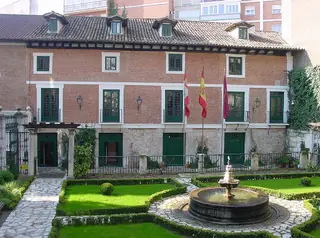
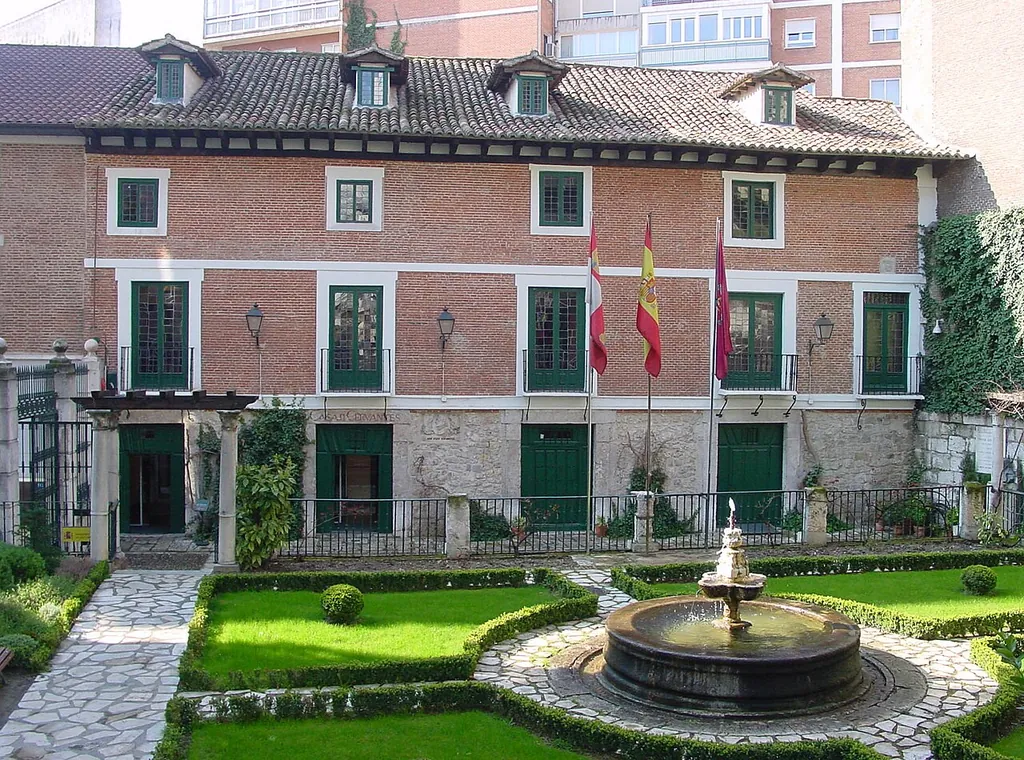
Miguel de Cervantes lived in Valladolid between 1604 and 1606 as a tax collector, and very probably in this house he had the first copies of the Quijote in his hands. The building belongs to a group of five houses that Juan de las Navas erected in 1601 on the calle del Rastro Nuevo de los Carneros, and it has kept its structure and internal layout intact. At the end of the 18th century, Cervantes's testimony in the case concerning the death of the knight Gaspar de Ezpeleta made it possible to identify the house.
After the writer left in 1606, the house was a rented dwelling, an ateneo (cultural society) and a popular library. In 1872 the Ateneo Cervantino was founded and in 1875 the Sociedad Casa de Cervantes, which filled the rooms with paintings, weapons and rare editions of the Quijote. At the start of the 20th century, Benigno de la Vega-Inclán warned King Alfonso XIII that the building was in a ruinous state; the monarch created the Institución Cervantina and bought the house in 1912, while Archer Huntington bought the neighbouring houses to install a library and a museum.
The Biblioteca Popular y Cervantina was inaugurated on 23 April 1916 and the museum opened in 1948, with a recreation of the house based on letters and wills. In 2005, on the occasion of the fourth centenary of the Quijote, the museography was renewed. The ground floor offers a Spanish garden, the library and a courtyard with reliefs of the Quijote and a bust of Huntington; on the upper floor the reception room, the estrado (raised sitting area), the aposento (private chamber), the alcove, the dining room and the kitchen are recreated.
Highlights
- The only house where Cervantes is known to have lived
- Recreated rooms on the upper floor: estrado, alcove, dining room and kitchen
- Spanish garden and courtyard with reliefs of the Quijote
- Cervantine library
- Guided visit “Todo empezó en 1604”
Permanent exhibition
- La casa y sus estancias – A tour of the house: on the ground floor, the Spanish garden, the library and the courtyard; on the upper floor, rooms recreated in the atmosphere of Cervantes's time.
- Founded
- 1948
- Operated by
- Ministerio de Cultura
Admission & discounts
| Adults | €3 |
|---|---|
| Reduced | €1.50Groups of at least eight people (request 15 days in advance) and Renfe travellers holding a ticket for Ave, Avlo, Alvia, Euromed or Intercity trains from the 48 hours before or after (Museos en Red programme) |
| Children & teens | freefree up to age 17 · Children under 18 enter free, with accreditation. |
| Seniors | freeFree admission for people over 65 and pensioners, with accreditation. |
| Students & apprentices | freeFree admission for students up to age 25, with accreditation. |
| Groups (8+ people) | €1.50 per person50% discount for groups of eight or more people; booking 15 days in advance, Tuesday to Saturday. |
| Annual pass | €25 |
| Combined ticket with the Museo Nacional de Escultura | €5Valid for five days; sold at both museums. |
Free admission: All Sundays; 18 April, 18 May, 12 October and 6 December; free admission for all visitors from 15 October 2026 to 17 January 2027.
Tickets are also free for unemployed people, with accreditation.
Accessibility
- Wheelchair accessible: not available
- Elevator: no information
- Accessible restroom: no information
- Accessible parking: no information
- Service dogs welcome
- Tactile models & exhibits: no information
- Sign language tours: no information
- Easy-to-read materials
- Audio description: no information
Because of the building's features, access is not possible for people with motor disabilities and may be difficult for people with reduced mobility. People with visual impairments may find the stairs, narrow passages and exhibited works without protective elements difficult. A portable induction loop is provided at the ticket office for users of hearing aids and cochlear implants. There is an adapted plan and an easy-read leaflet, produced with Plena Inclusión Castilla y León.
Kids & families
Great for kids & families
| Kids’ admission | free up to age 17 |
|---|
- Family tours & workshops
The museum organises workshops for all ages and the educational programme “¿Quién vive ahí?”, with routes for schoolchildren in Early Childhood and Primary Education.
Getting there & parking
By public transit
Plaza de España
Urban bus: lines 1, 2, 4, 7, 8, 18 and 19 (Plaza de España stop). Interurban bus: bus station, calle del Puente Colgante, 2. Train: Valladolid Campo Grande station.
By car
Parking available
Public car parks in Plaza Zorrilla and Plaza de España.
Amenities & dining
The museum hasn’t published any information on this.
Events & venue rental
The museum hasn’t published any information on this.
Plan your visit
| Guided tours | yes |
|---|---|
| School programs | yes |
| Photography | Images may be taken inside, except with flash and tripod. |
| Good to know | The guided visit “Todo empezó en 1604” is offered on Saturdays and Sundays at 13:00, with advance registration online or by telephone (983 308 810). On the upper floor only 10 visitors may be present at the same time. Groups (minimum eight people) book from Tuesday to Saturday, 15 days in advance, at reservas.mcervantes@cultura.gob.es. Eating, drinking and smoking are not permitted inside, and animals are not admitted except guide and assistance dogs. The educational programme “¿Quién vive ahí?” offers facilitated visits for Early Childhood and Primary Education. |
Museums nearby
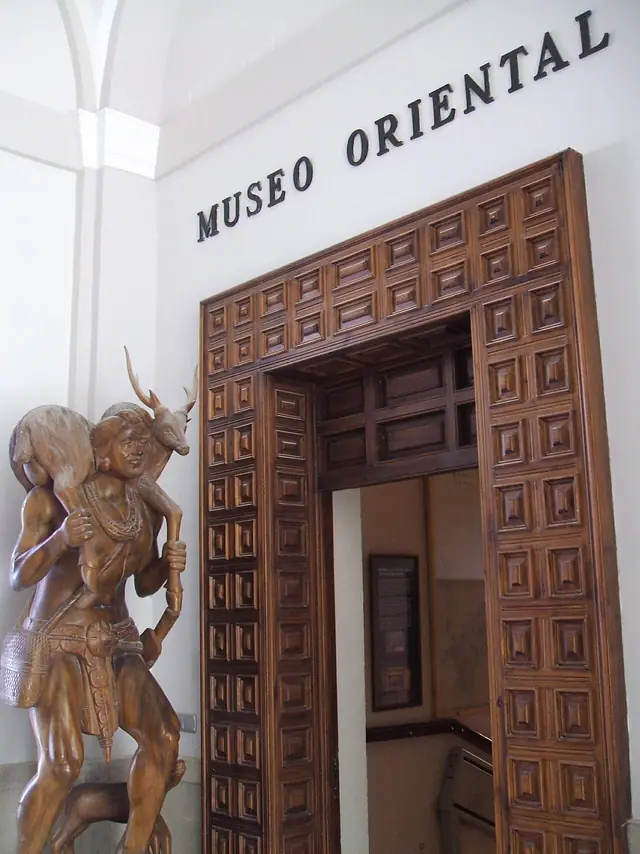
Museo Oriental de Valladolid
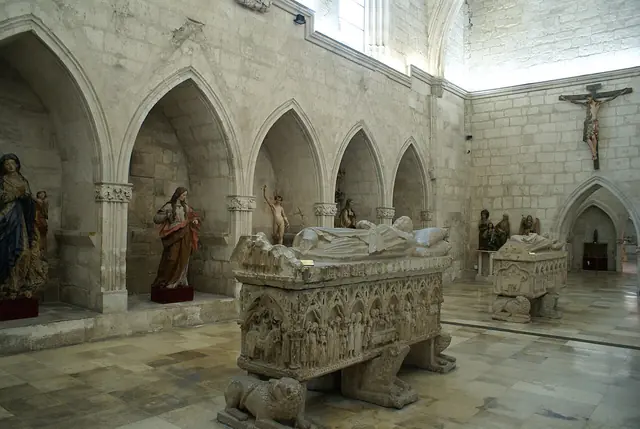
Museo Diocesano y Catedralicio de Valladolid
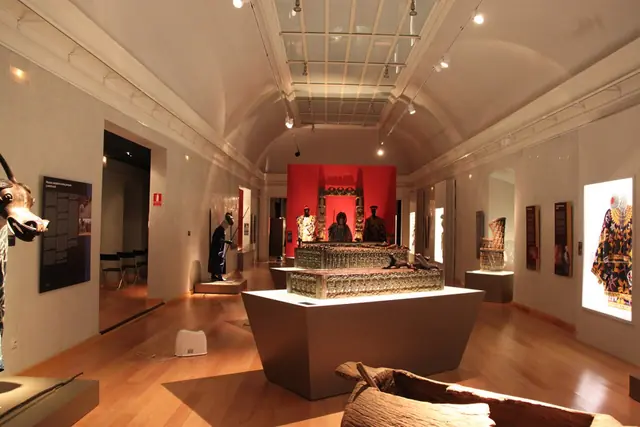
Museo de Arte Africano Arellano Alonso
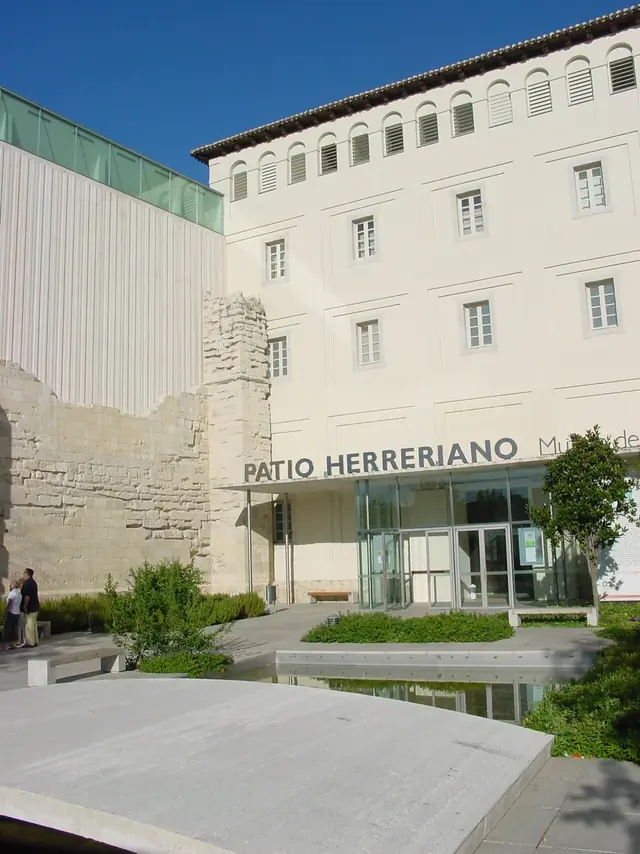
Museo Patio Herreriano de Arte Contemporáneo Español
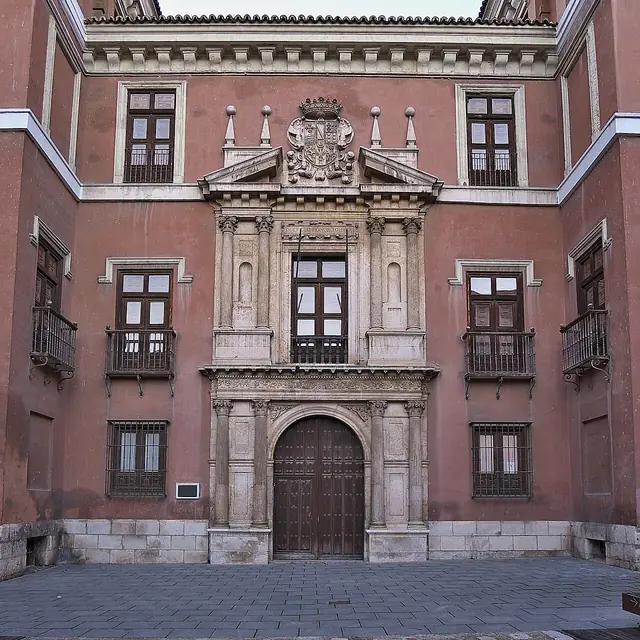
Museo de Valladolid
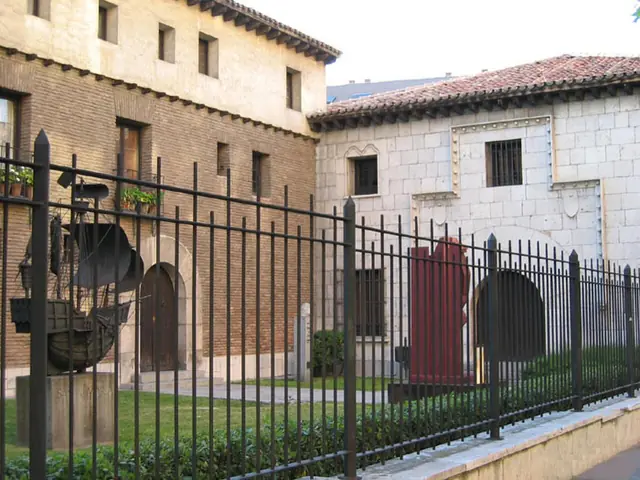
Casa-Museo de Colón
All 10 museums in Valladolid All museums in Castile and León