Museo de Artes y Costumbres Populares de Sevilla
Ethnographic museum in the Pabellón Mudéjar on the Plaza de América, with embroidery, Andalusian folk ceramics and craft workshops.
Have only individual sections read aloud
About the museum
The museum was created by decree of 23 March 1972 as a section of the Museo de Bellas Artes and opened its doors on 4 March 1973. It is now state-owned and run by the Consejería de Cultura of the Junta de Andalucía. Its mission is to show the richness and variety of Andalusian ethnography: not only objects and utensils, but also customs, knowledge and ways of life that change over time.
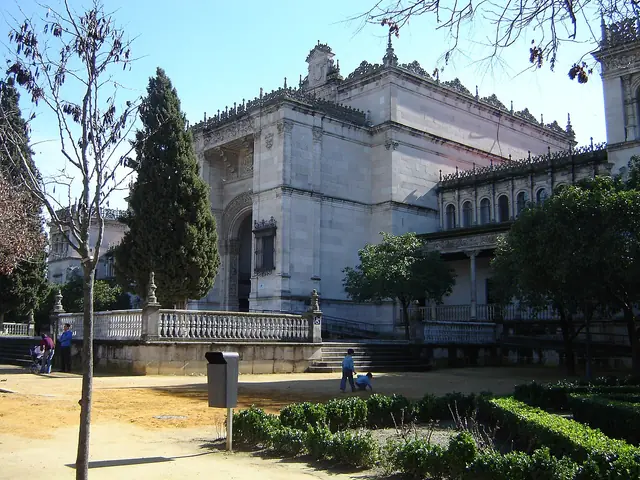
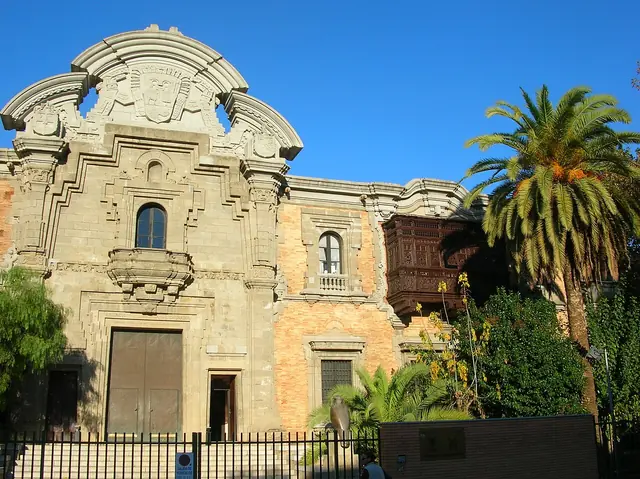
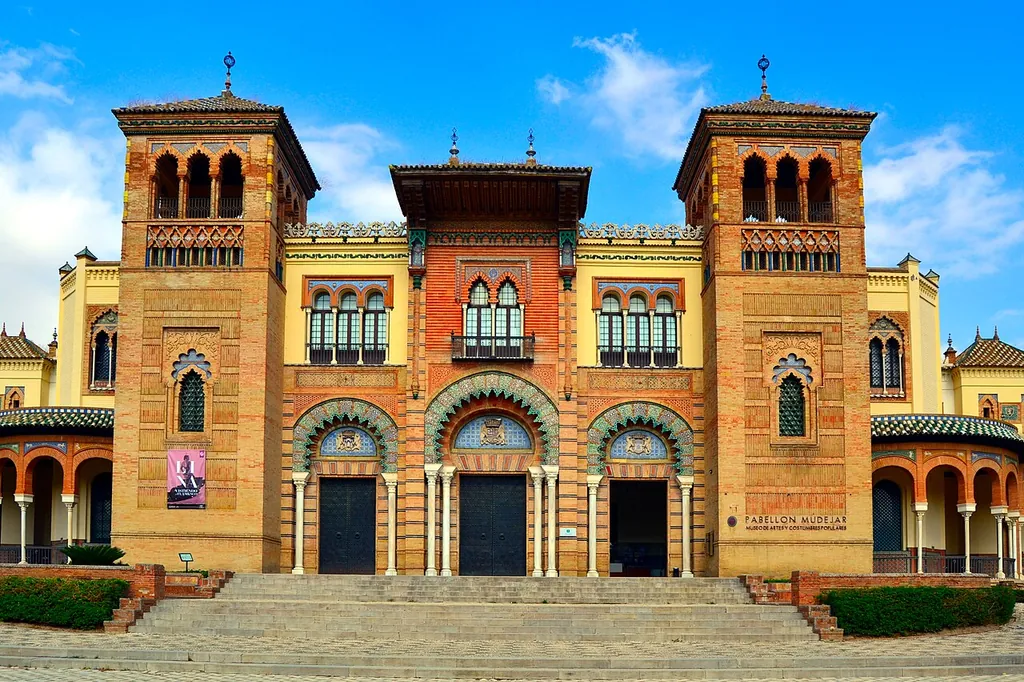
It is housed in the Pabellón Mudéjar, a building of 1914 that is one of the three large pavilions of the Plaza de América designed by Aníbal González for the 1929 Ibero-American Exposition. It belongs to the regionalist movement and revives the neo-Mudéjar style. The city council first ceded part of the building and, from 1980, all of it, for as long as it continues to house the museum.
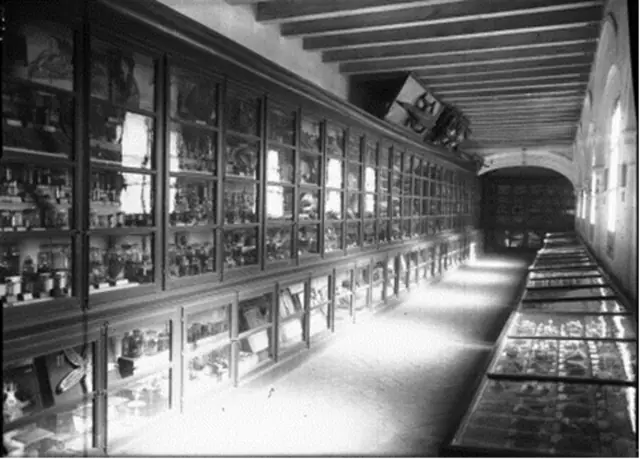
The collection includes the Díaz Velázquez legacy (1979), with almost 6,000 pieces of embroidery and lace, the Andalusian Folk Ceramics collection, assembled through field research, the original posters of the Fiestas Primaverales de Sevilla, and eight complete craft workshops donated by their last masters.
Highlights
- Díaz Velázquez legacy, with almost 6,000 embroidery and lace pieces
- Andalusian Folk Ceramics collection
- Eight reconstructed craft workshops, including those of cooperage, guitar-making and gilding
- Original posters of the Fiestas Primaverales de Sevilla
- Pabellón Mudéjar by Aníbal González
Permanent exhibition
- Exposición permanente de etnografía andaluza – Display of Andalusian traditional culture with textiles, embroidery and lace, folk ceramics, musical instruments, tools and craft workshops.
- Founded
- 1973
- Operated by
- Junta de Andalucía (Consejería de Cultura y Deporte)
Admission & discounts
| Adults | €1.50 |
|---|---|
| Groups | –Groups may have a maximum of 25 people, including the guide; stable school groups or class groups are not subject to that maximum if capacity limits are respected. Bookings are made through the booking platform of the Consejería de Cultura. |
Free admission for accredited citizens of the European Union; for visitors from other countries, €1.50.
Accessibility
The museum hasn’t published any information on this.
Kids & families
The museum hasn’t published any information on this.
Getting there & parking
By public transit
Urban buses 1, 3, 6, 30, 31, 34 and 37. Metro, line 1: San Bernardo and Prado de San Sebastián stations. Cercanías commuter-rail halts at Hospital Virgen del Rocío and San Bernardo.
By car
Nearest on-street parking: avenida de la Palmera and avenida de la Borbolla.
Taxi rank on the avenida de Molini.
Get directionsAmenities & dining
- Coat check
Free left-luggage service next to the ticket office at the main entrance, for visitors only; food, liquids and weapons may not be left.
Events & venue rental
The museum hasn’t published any information on this.
Plan your visit
| Guided tours | yes |
|---|---|
| School programs | yes |
| Good to know | Guided tours by volunteers for adults and school pupils aged 16 and over, Tuesday to Friday mornings (09:00–12:00) from 16 September to 15 June, booked at least one week in advance. The museum guide and other teaching resources can be downloaded online. Groups must book in advance. |