Museo de Salamanca
Provincial museum of archaeology, fine arts and ethnology in the Álvarez Abarca palace; its galleries are temporarily closed for works.
Have only individual sections read aloud
About the museum
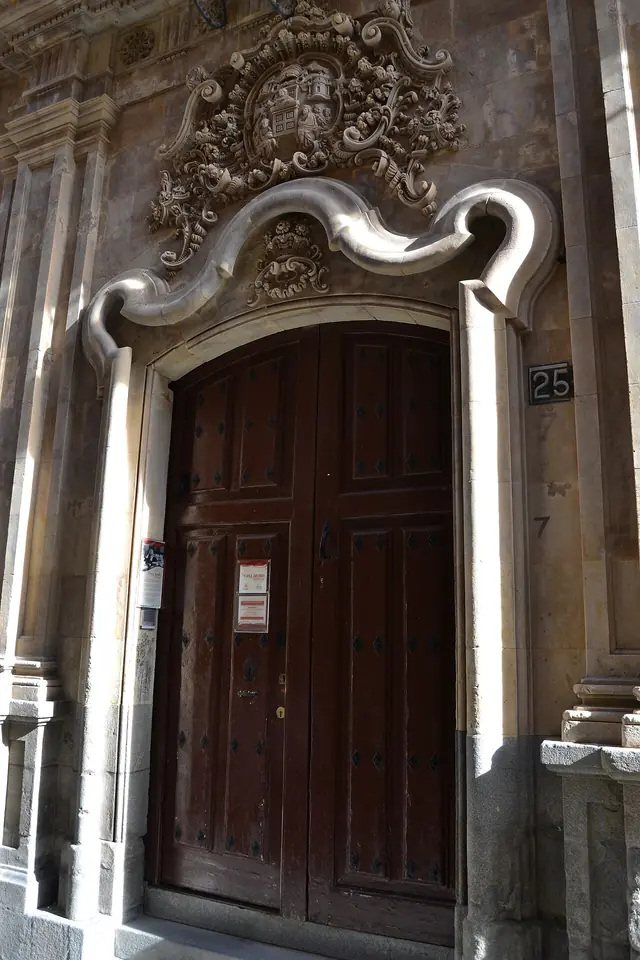
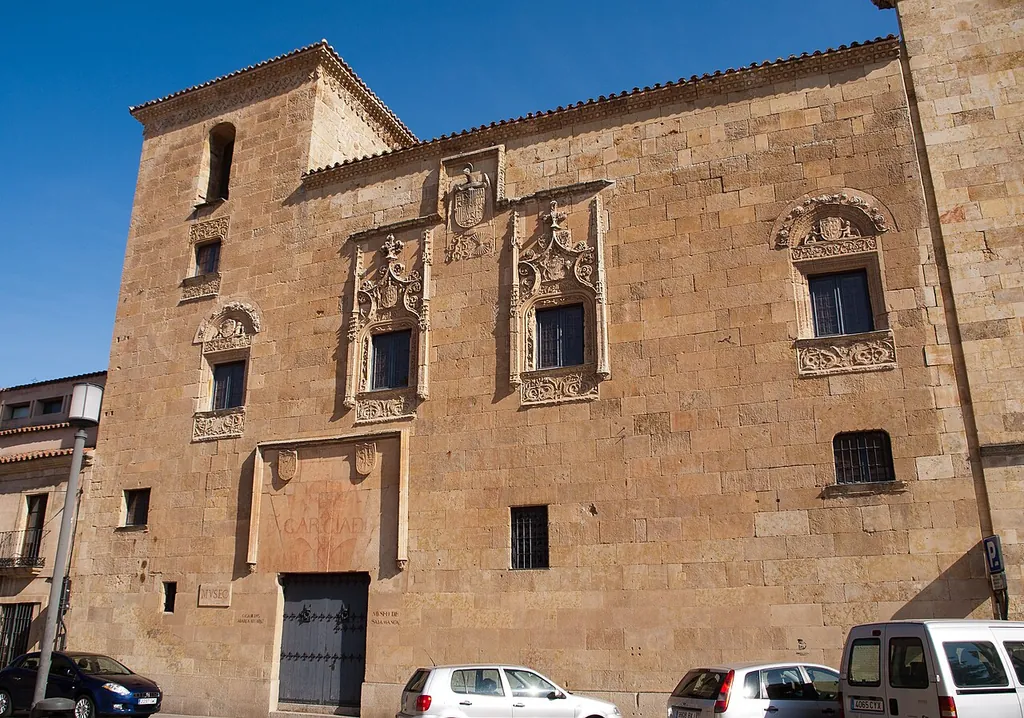
The Museo de Salamanca originated in 1848, when the Provincial Commission of Monuments gathered artistic objects from the convents suppressed under the Mendizábal disentailment (desamortización). In 1948, a hundred years later, it moved into its present home, the palace of the Álvarez Abarca family, also known as the Palacio de los Doctores de la Reina, except for a short period between 1970 and 1974 when it was housed in the Casa de las Conchas. It later gained space and improved its facilities by annexing and refurbishing the neighbouring house.
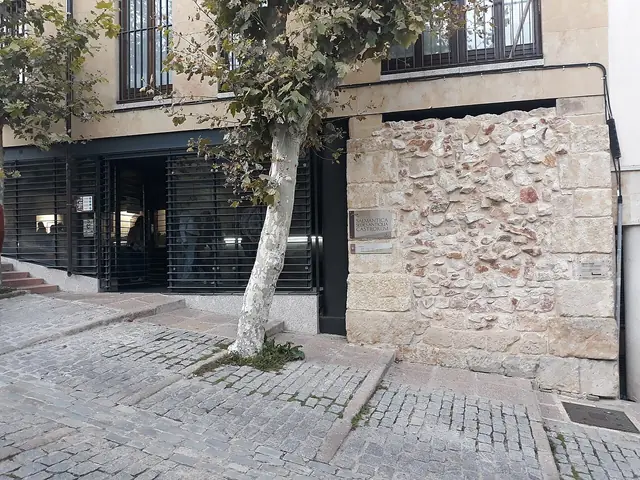
The building, next to the University's Escuelas Menores (Minor Schools), dates from the early 16th century and combines late Gothic elements with early Renaissance ones. It is organised around a two-storey courtyard with galleries. In the 1980s (20th century) a new building was added, housing the library, the reading room, the archive, the restoration workshop and the temporary exhibition galleries.
The collections are divided into three sections. Fine Arts, the largest, covers works from the 14th century to the present, with holdings from the disentailment and deposits from the Prado and Reina Sofía museums. Archaeology grows steadily with finds from the province, and Ethnology is based on the collection assembled by Father Morán. In the garden are verracos (Iberian stone boars) and Roman stelae.
Highlights
- “Llanto por Cristo muerto” by Morales
- “Tablas de San Andrés” by Juan de Flandes
- “Retrato de Unamuno escribiendo” by Juan de Echevarría
- “San Miguel venciendo al demonio”, a silver sculpture attributed to Vaccaro
- “Hipopótamo” by Mateo Hernández, carved in black granite
- Verraco from Gallegos de Argañán and Roman pedestal dedicated to Caracalla
Permanent exhibitions
- Bellas Artes – Works from the 14th to the 20th centuries in the Álvarez Abarca house, with Hispano-Flemish, Baroque and 18th- to 20th-century painting, and sculpture.
- Arqueología y Etnología – Collections renewed periodically; in the garden are verracos and Roman stelae.
- Founded
- 1848
- Operated by
- Junta de Castilla y León
Admission & discounts
| Adults | €1 |
|---|---|
| Children & teens | freefree up to age 17 · Minors: free admission (EU citizens, with an accrediting document). |
| Seniors | freeFree admission for people over 65 and retired people. |
| Visitors with disabilities | freecompanion free · Free admission with a degree of disability of at least 33%, and for a companion if essential. |
| Students & apprentices | freeFree admission for university students. |
| Families | –Free admission for large families, single-parent families and families with multiple births or simultaneous adoptions. |
Free admission: Saturdays, Sundays and national or regional public holidays, and 23 April, 9 May, 18 May, 12 October and 6 December
Price of the permanent exhibition according to the museum's service charter; free entry applies to citizens and legal residents of the European Union with an accrediting document. Entry is also free for unemployed people, Carné Joven holders, Friends of the museum, tour guides and teaching staff, among others.
Accessibility
- Partially wheelchair accessible
- Elevator: no information
- Accessible restroom: no information
- Accessible parking: no information
- Service dogs welcome: no information
- Tactile models & exhibits: no information
- Sign language tours: no information
- Easy-to-read materials: no information
- Audio description: no information
According to the service charter, access is limited to rooms I, II, V, VI and VII and to the temporary exhibition galleries. The current works aim to improve accessibility.
Kids & families
The museum is temporarily closed for accessibility works; no reopening date has been published.
Getting there & parking
The museum is temporarily closed for accessibility works; no reopening date has been published.
Amenities & dining
The museum is temporarily closed for accessibility works; no reopening date has been published.
Events & venue rental
The museum is temporarily closed for accessibility works; no reopening date has been published.
Plan your visit
| School programs | yes |
|---|---|
| Good to know | The museum offers educational programmes and activities with prior registration. |