Casa Museo del Campesino
Group of vernacular buildings by César Manrique in Mozaga, showing the farming life of Lanzarote; free admission.
Have only individual sections read aloud
About the museum
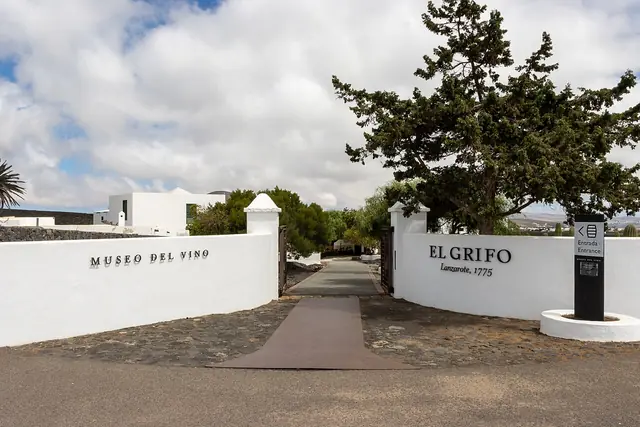
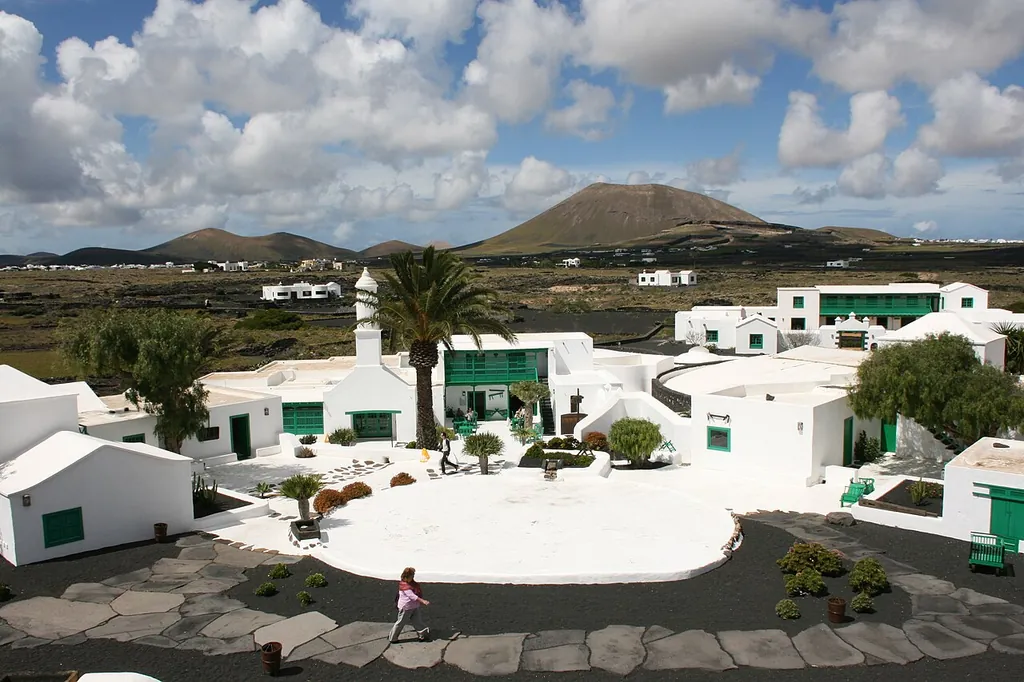
The Casa Museo del Campesino (farmer's house museum) was born in 1968 out of César Manrique's interest in the vernacular architecture and farming life of Lanzarote. The project set out to honour the knowledge of those who learned to live in and cultivate an island with little rain, constant wind and volcanic soils. It is in Mozaga, in the municipality of San Bartolomé, in the geographical centre of the island.
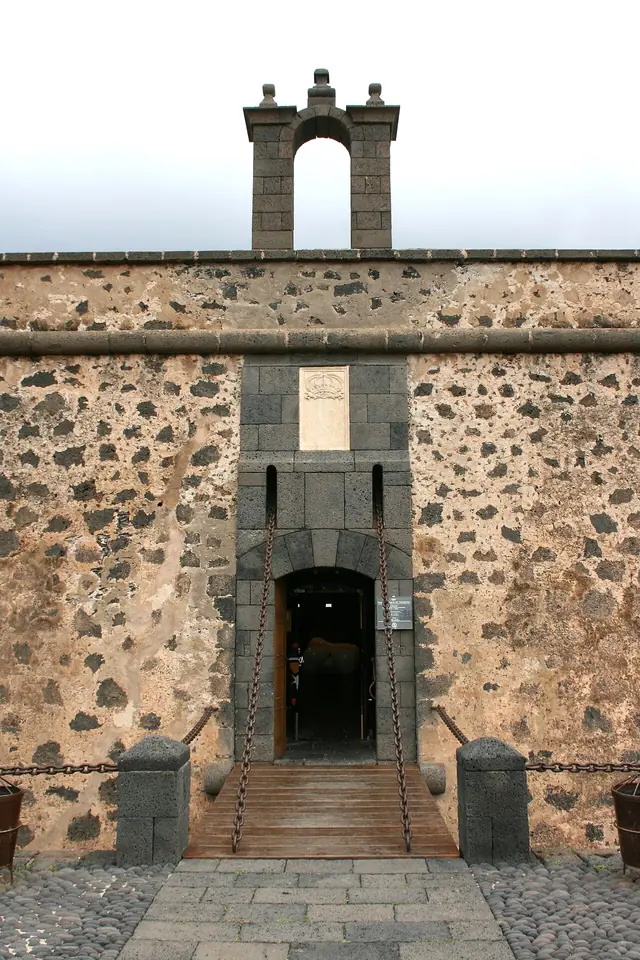
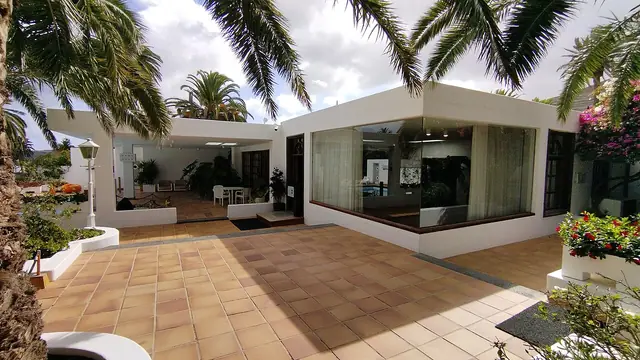
The complex does not reproduce one particular house. Instead it brings together courtyards, cisterns, threshing floors, wine presses and other elements from different parts of Lanzarote, with white walls and green woodwork. It shows how water, climate and available resources shaped the home, fieldwork and traditional crafts. The visit includes a trail of farm implements with camel saddles and agricultural tools, a pajero and a soco (traditional Lanzarote farm structures), as well as the Plaza de los Artesanos (craftsmen's square), linked to the island's crafts.
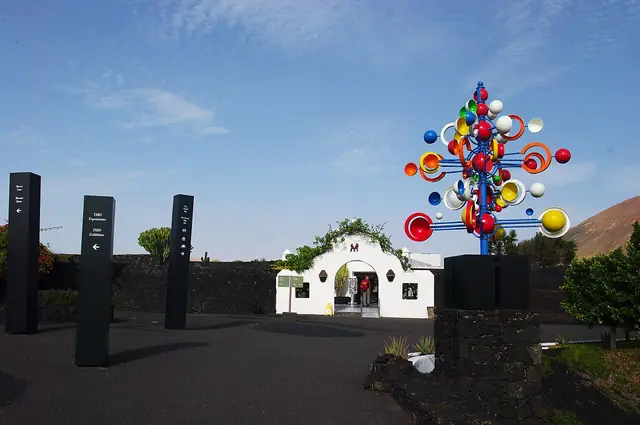
Opposite the complex, on the Peña de Tajaste, stands the sculpture Fecundidad (Fertility), with which Manrique linked the centre to the farming landscape. In 2026 the centre reopened with a renewed route of eight stops, with guided visits led by information staff and a self-guided itinerary with QR codes. The complex also has a restaurant serving Canarian cuisine.
Highlights
- Courtyards, cisterns, threshing floors and wine presses of Lanzarote's vernacular architecture
- Fecundidad sculpture by César Manrique on the Peña de Tajaste
- Trail of farm implements with camel saddles and agricultural tools
- Plaza de los Artesanos with traditional crafts
- Self-guided itinerary with QR codes and guided visit
- Restaurant serving Canarian cuisine
Permanent exhibition
- Casa Museo del Campesino – Tour of courtyards, cisterns, threshing floors, wine presses, the implement trail and the Plaza de los Artesanos, showing the farming life and traditional crafts of Lanzarote.
- Founded
- 1968
- Operated by
- Centros de Arte, Cultura y Turismo (CACT) de Lanzarote
Admission & discounts
Admission is free.
Free admission. The restaurant table is booked separately.
Accessibility
- Partially wheelchair accessible
- Elevator: no information
- Accessible restroom: no information
- Accessible parking: no information
- Service dogs welcome
- Tactile models & exhibits: no information
- Sign language tours: no information
- Easy-to-read materials: no information
- Audio description: no information
The centre is largely accessible, but the sculpture Fecundidad has no accessible route. Pets are not admitted, except assistance dogs.
Kids & families
| Time needed | approx. 50 min |
|---|
Getting there & parking
By car
Parking available
The centre is at the crossroads of the roads linking Arrecife, Teguise, Tinajo and Yaiza. According to general information on the CACT centres, all of them have parking areas.
Get directionsAmenities & dining
- Restaurant
Casa Museo del Campesino restaurant with à la carte Canarian cuisine (meals from 12:00 to 16:00; reservations +34 928 520 136). Food and drink from outside may not be brought in.
Events & venue rental
The museum hasn’t published any information on this.
Plan your visit
| Guided tours | yes |
|---|---|
| Photography | Personal photography is allowed; drones are not permitted. |
| Good to know | The visit can be made at your own pace with a QR-code self-guide, or with a guided visit led by the centre's information staff. |