Museu d'Art i Història de Reus
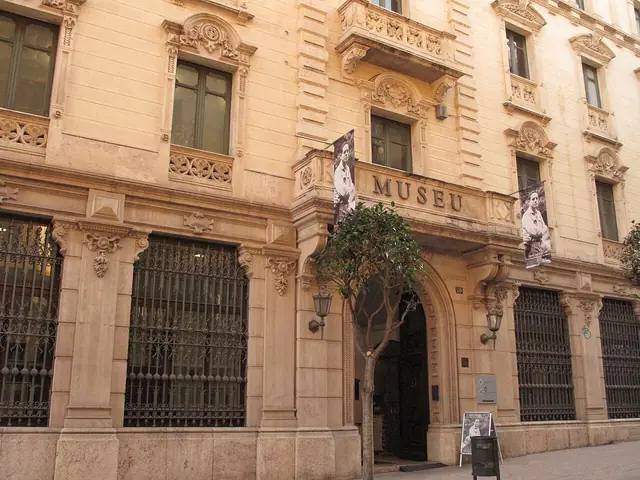
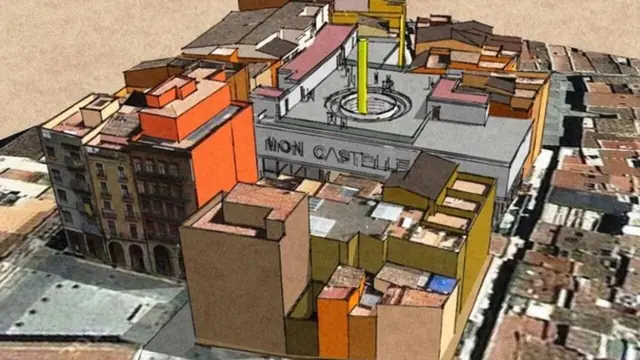
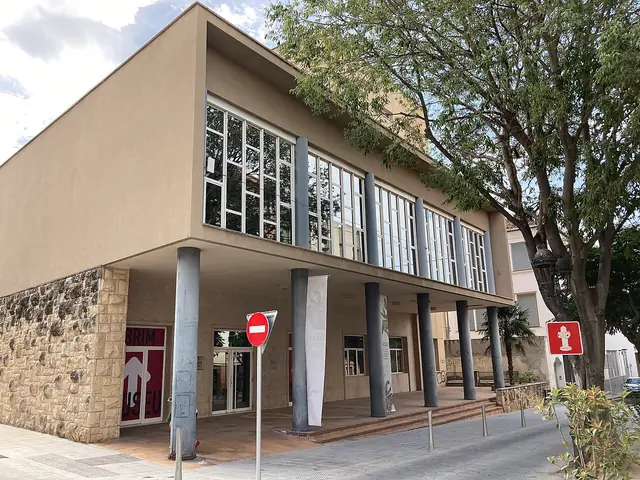
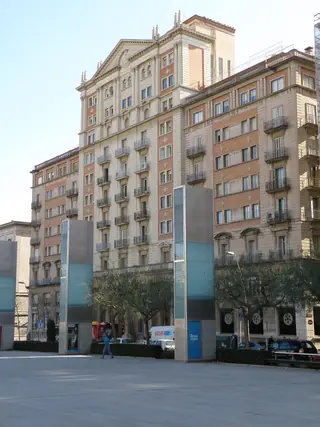
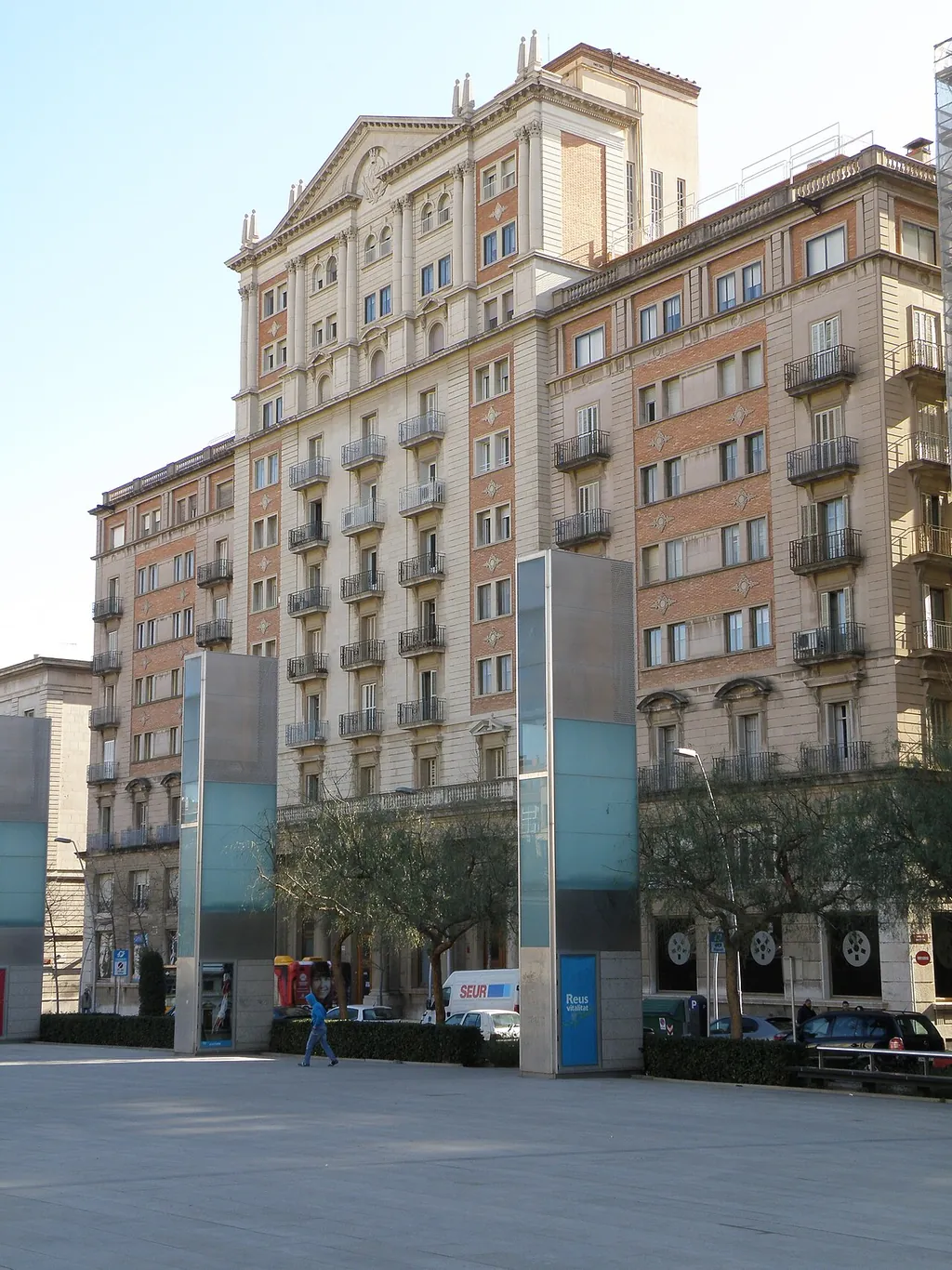
Main venue of the Museu de Reus, on Plaça de la Llibertat, with permanent exhibitions on the art and history of the city.
Have only individual sections read aloud
About the museum
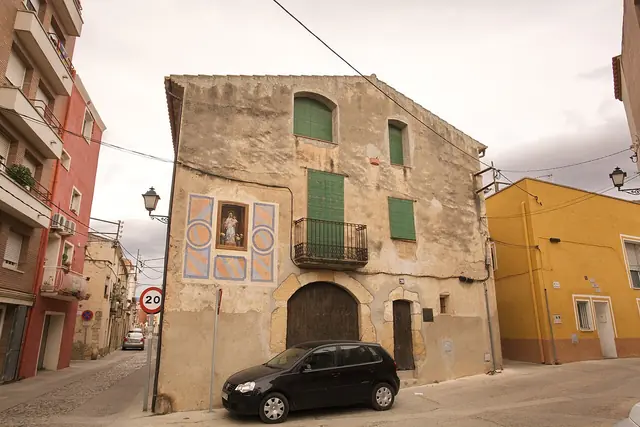
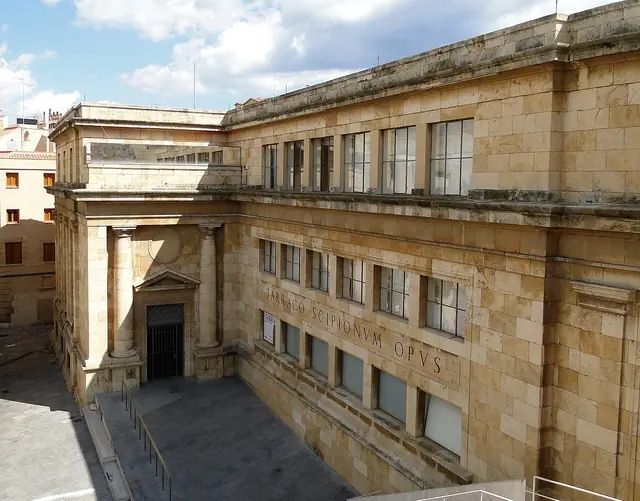
Reus owes its museum above all to Salvador Vilaseca Anguera (1896–1975), a physician and prehistorian who assembled a very important collection of archaeological and ethnographic material and of objects representative of the history of the city and its region. He promoted the first municipal museum, created in 1933 and opened on 14 April 1934 as the Museu Municipal Prim Rull in Cal Rull, on Carrer de Sant Joan.
During the Civil War the board was dissolved and the pieces were moved to temporary storage; a bombing in 1938 destroyed one of these stores and part of the holdings. The museum reopened in Cal Rull in 1940, and in 1961 a new seat was inaugurated on the ground floor of number 13 of Plaça de la Llibertat, then known as Plaça dels Màrtirs, with collections of ethnology, art and archaeology relating mainly to Reus and its region.
The Plaça de la Llibertat building is now the largest venue of the Museu de Reus and presents the art and history of the city. After the major refurbishment of 2026, it hosts several permanent exhibitions that reveal the golden age of Reus and its legacy.
Highlights
- “La capital del sud”: Reus as the second city of Catalonia in the 19th century
- “Camp i ciutat”, with the large beam press from the collection of oil and wine presses
- “Patrimoni en perill”, with pieces from the high altarpiece of the Prioral de Sant Pere
- Other permanent exhibitions: “Col·leccionisme i salvaguarda”, “Geni i creació” and “Festa i celebració”
- Free admission and 360° virtual visit on the website
Permanent exhibitions
- La capital del sud – The museum's largest exhibition, in room 2: it covers the 18th and 19th centuries and the first third of the 20th, and explains how Reus became the second city of Catalonia thanks to wine and aguardiente.
- Camp i ciutat – Room 3, on the relationship between Reus and the Camp, the importance of agriculture (oil and wine) and the large beam press as its central piece.
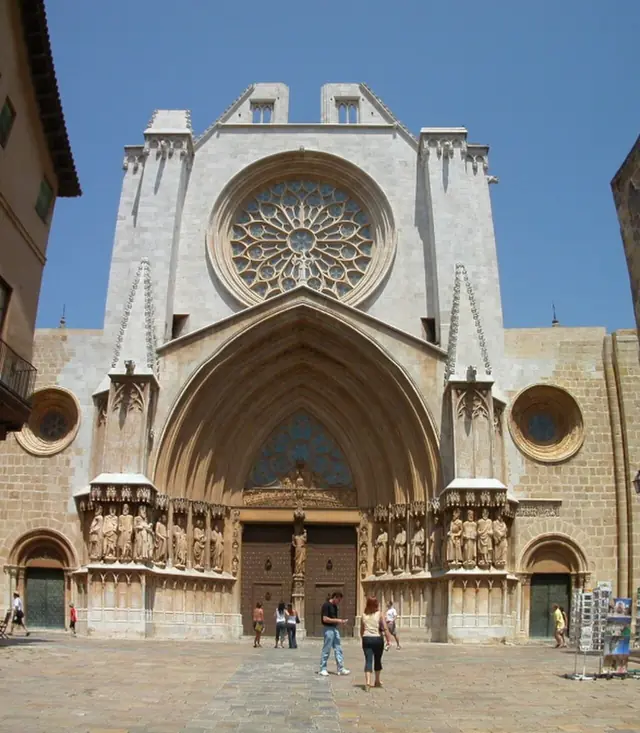
- Patrimoni en perill – Room 5, on heritage as a victim in turbulent times such as the Civil War and on those who protected it, with pieces from the high altarpiece of the Prioral de Sant Pere, dismantled in 1936.
- Founded
- 1934
- Operated by
- Institut Municipal Reus Cultura (Ajuntament de Reus)
Admission & discounts
Admission is free.
The website indicates free general admission (€0.00) and refers to an online ticket booking system (ticket.reuscultura.cat).
Accessibility
- Wheelchair accessible
- Elevator
- Accessible restroom
- Accessible parking: no information
- Service dogs welcome
- Tactile models & exhibits: no information
- Sign language tours: no information
- Easy-to-read materials: no information
- Audio description: no information
There are lifts for people with reduced mobility or in wheelchairs (requested from staff at the museum entrance) and accessible toilets. Guide dogs are admitted in the buildings and rooms.
Kids & families
The museum hasn’t published any information on this.
Getting there & parking
The museum hasn’t published any information on this.
Amenities & dining
The museum hasn’t published any information on this.
Events & venue rental
The museum hasn’t published any information on this.
Plan your visit
| Guided tours | yes |
|---|---|
| School programs | yes |
| Photography | Photography and video recording in the rooms are permitted for personal use, without flash or tripod; photographing people requires their consent. |
| Good to know | Guided visits are announced in advance and require registration; associations, groups and accredited guides can book by email. In the rooms, backpacks, suitcases and bags larger than 30 × 30 cm, umbrellas, helmets, drinks, food and animals (except guide dogs) are not allowed. Children under 14 must be accompanied by an adult. There is a 360° virtual visit on the website. |