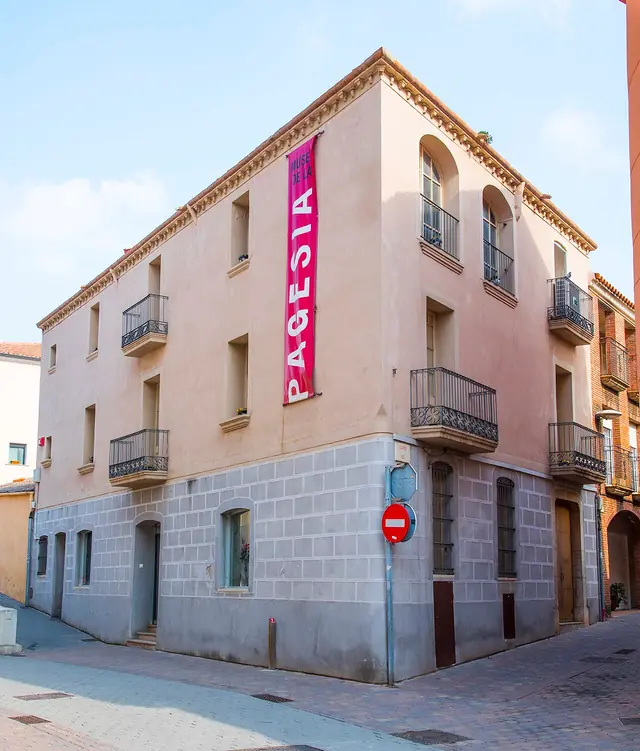
Museu Etnogràfic Vallhonrat
Ethnographic museum in Rubí with six rooms of ethnography, archaeology, furniture, weapons, a cellar and the work of Pons Cirac; free admission.
Have only individual sections read aloud
About the museum
The Museu Etnogràfic Vallhonrat in Rubí was born in the mid-20th century from the collecting passion of Miquel Vallhonrat i Brau, which began with pieces from the family dating back to the early 18th century and grew as he gathered objects that clients and neighbours brought him or that he went to look for himself. His son Pere (1941–2022) was the museum's curator, and today his daughters, Núria and Anna, continue their grandfather's work.
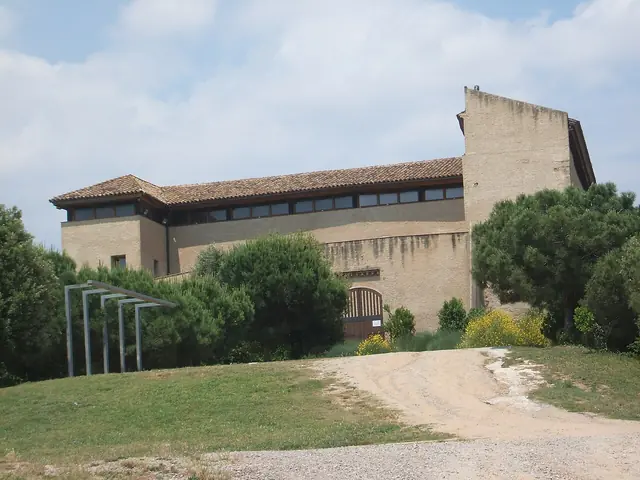
The building stands on the estate where the Vallhonrat family of carpenters lived and worked from the mid-18th century; from outside, a brick water tower stands out and can be seen from several points in the village. Three ancient olive trees were planted in the courtyard, and a new space of about 800 m² was built, with two exhibition rooms and basements: the Auditori Vallhonrat, completed in 2009 for temporary exhibitions and cultural events.
In December 2017 the Fundació Vallhonrat was set up to conserve, disseminate and expand the ethnographic collection, and in 2019 the Generalitat de Catalunya awarded it the Creu de Sant Jordi. Today the museum has six rooms: inventions of the 19th and 20th centuries, cellar, furniture, archaeology, weapons and the room dedicated to the glass artist Pons Cirac.
Highlights
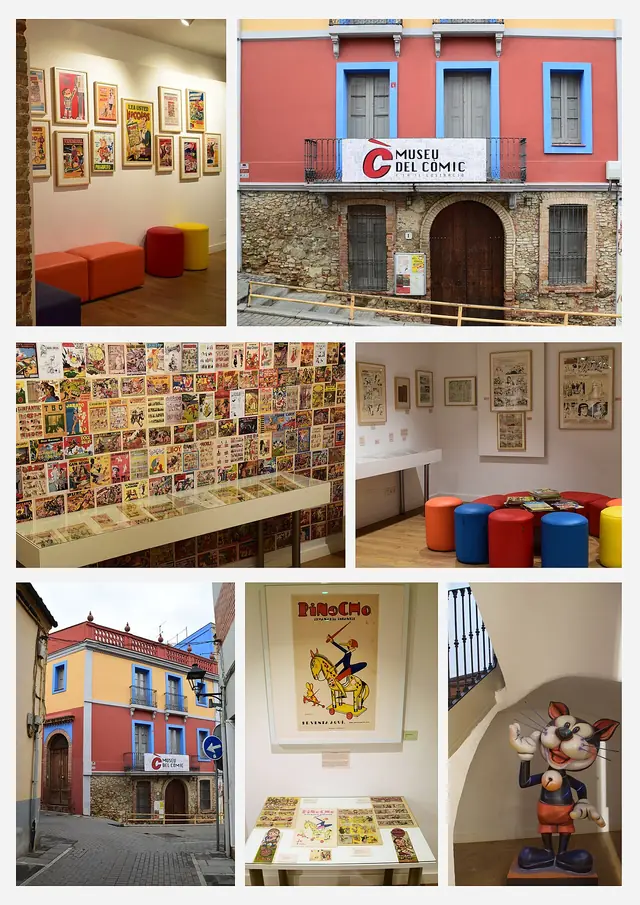
- Hall of inventions from the 19th and 20th centuries, with devices made in Rubí and a comic collection
- Cellar with twenty chestnut and oak barrels from the Vallhonrat masia
- Weapons room with pieces from the Carlist Wars and 18th-century Ripoll pistols
- Archaeological room with nearly a thousand pieces of very diverse origin
- Pons Cirac room with carved glass
Permanent exhibitions
- Sala Arqueológica – The room with the most pieces in the museum, nearly a thousand: household objects, fossils over 540 million years old, African sculpture, Japanese ivory figures and pre-Columbian pieces.
- Sala de Armas – Weapons used in the Carlist Wars, in Cuba and the Philippines or at the Battle of the Ebro, wheel-lock pistols and Ripoll pistols, blunderbusses and an original Japanese armour from the 16th–17th centuries.
- Sala del Celler – Former cellar of the Vallhonrat masia with twenty barrels, wine-making utensils, tools of sixteen trades and a collection of masia locks.
- Operated by
- Fundació Vallhonrat
Admission & discounts
Admission is free.
Free admission to the museum, according to the museum's contact page.
Accessibility
The museum hasn’t published any information on this.
Kids & families
The museum hasn’t published any information on this.
Getting there & parking
The museum hasn’t published any information on this.
Amenities & dining
The museum hasn’t published any information on this.
Events & venue rental
The museum hasn’t published any information on this.
Plan your visit
| Guided tours | yes |
|---|---|
| Good to know | Visits are arranged in advance with the museum (by telephone or email), and guided tours start from Plaça Montserrat Roig, s/n. The auditorium hosts temporary exhibitions, lectures and cultural activities. |