Testaccio de Gades
Musealised site beneath the El Olivillo building in Cádiz: a large Roman rubbish dump of amphorae and remains of salted-fish production in Gades.
Have only individual sections read aloud
About the museum
Beneath the El Olivillo building, very close to La Caleta beach, lies the fish-related testaccio of Gades, a large industrial rubbish dump formed by layers of amphorae, shells, fish remains and other waste. It reflects the intense fishing and commercial activity of ancient Gades, where salted-fish products and the famous garum were made and exported throughout the Empire.
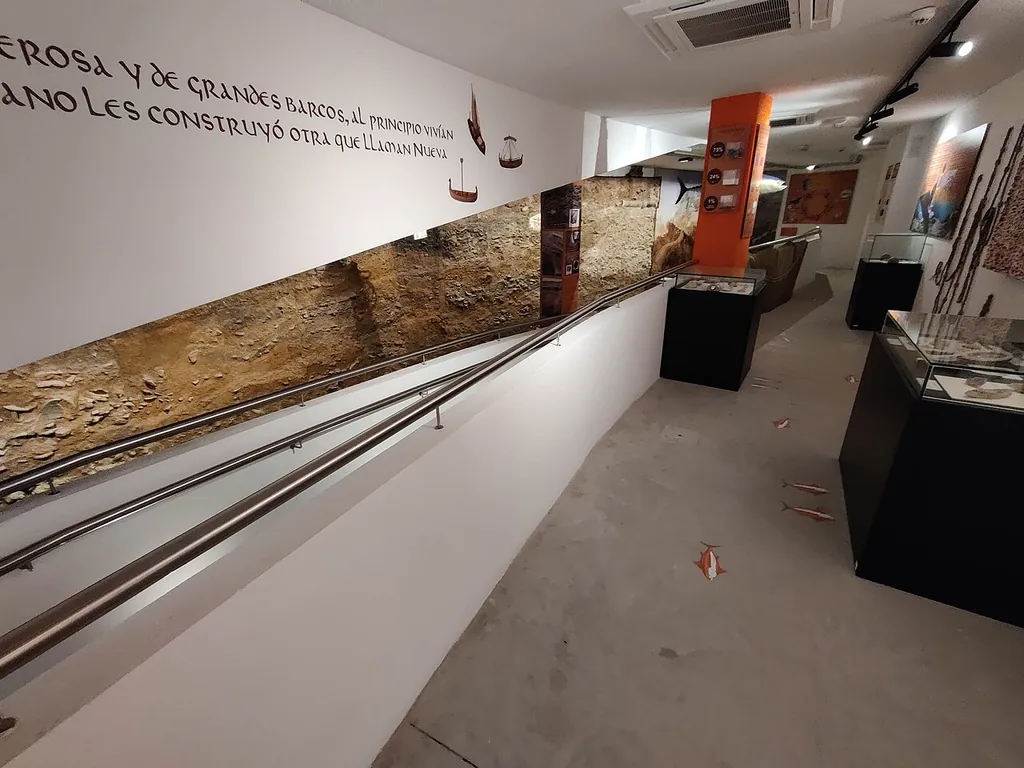
The site appeared in 2016, during the refurbishment of the building to convert it into a business transfer centre. The preserved layers are more than five metres deep and document maritime trade between the 1st century BC and the 1st century AD. Its name refers to the Monte Testaccio in Rome, a hill formed from discarded containers of the imperial era.
The University of Cádiz promoted its musealisation, in collaboration with the Junta de Andalucía, and opened it in December 2025 as its first museum. The guided tour goes down to the archaeological crypt, explains the strata and the remains of amphorae and fauna, and includes a space with original pieces and graphic resources. Some fifty pieces from the excavations of El Olivillo, from the Museo de Cádiz, are on deposit here by the Junta de Andalucía.
Highlights
- Archaeological crypt with more than five metres of strata
- Layers of amphorae, shells and fish remains
- Traces of the salted-fish industry and of the garum of Gades
- Original pieces on deposit from the Museo de Cádiz
- Guided tour with timed entry
Permanent exhibition
- Testaccio haliéutico de Gades – Route through the archaeological crypt with strata of amphorae, shells and fish remains that show the salted-fish industry and the trade of Roman Gades.
- Founded
- 2025
- Operated by
- Universidad de Cádiz (gestión: TripMilenaria)
Admission & discounts
| Adults | €8 |
|---|---|
| Reduced | €5Retired people, unemployed people, members of cultural associations, members of the university community and groups of more than 10 people; supporting documentation required |
| Children & teens | freefree up to age 11 · Children under 12 enter free when accompanied by an adult. General admission is for people aged 12 to 65. |
| Seniors | €5Retired people, with proof. |
| Students & apprentices | –Members of the university community: €5. |
| Groups (11+ people) | €5 per personGroups of more than 10 people; booking must be made at least 24 hours in advance. |
| Super-reduced admission (primary, secondary and sixth-form school groups) | €3 |
Admission includes the archaeological site and the temporary exhibitions. Free and reduced admission requires presenting a valid, up-to-date official document at the ticket office on the day of the visit.
Accessibility
- Wheelchair accessible
- Elevator
- Accessible restroom
- Accessible parking: no information
- Service dogs welcome: no information
- Tactile models & exhibits: no information
- Sign language tours: no information
- Easy-to-read materials: no information
- Audio description: no information
The site has adapted toilets, accessible lifts, ramps and platforms. Animals are only admitted in the cases set out in Law 7/2023.
Kids & families
The museum hasn’t published any information on this.
Getting there & parking
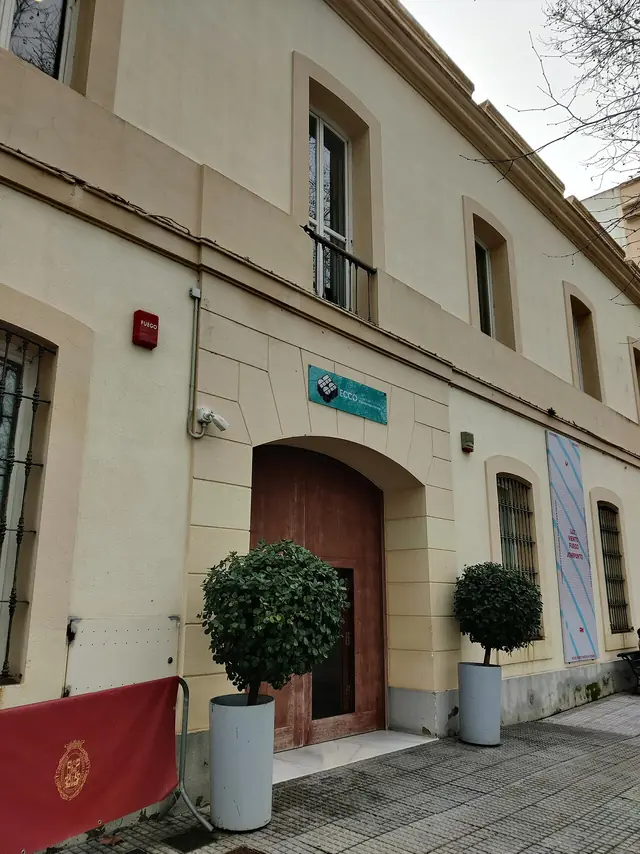
The site is in the basement of the El Olivillo building (UCA Emprende), next to the Simón Bolívar roundabout and near La Caleta beach.
Get directionsAmenities & dining
The museum hasn’t published any information on this.
Events & venue rental
The museum hasn’t published any information on this.
Plan your visit
| Guided tours | yes · approx. 45 min |
|---|---|
| School programs | yes |
| Photography | Filming video in the rooms is not permitted. |
| Good to know | The visit lasts about 45 minutes; date and time are chosen when buying the ticket. Each pass admits a maximum of 25 people. Scooters and bicycles are not allowed. The centre also organises activities such as the “Sábados de vino y garum” (wine and garum Saturdays), tasting routes and a Roman sorcery workshop. |