Torre Mocha – Centro de Interpretación de la Naturaleza y la Biodiversidad (CINABI)
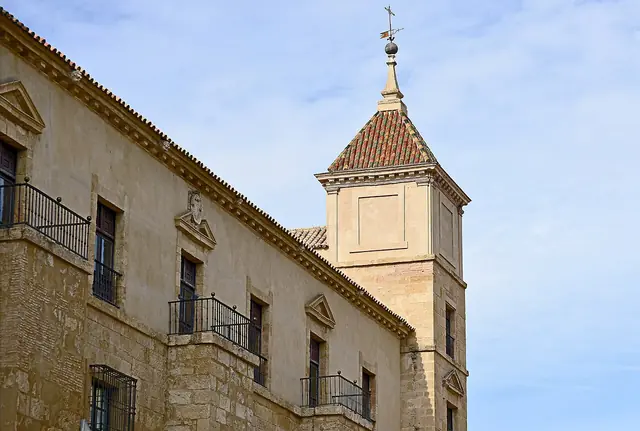
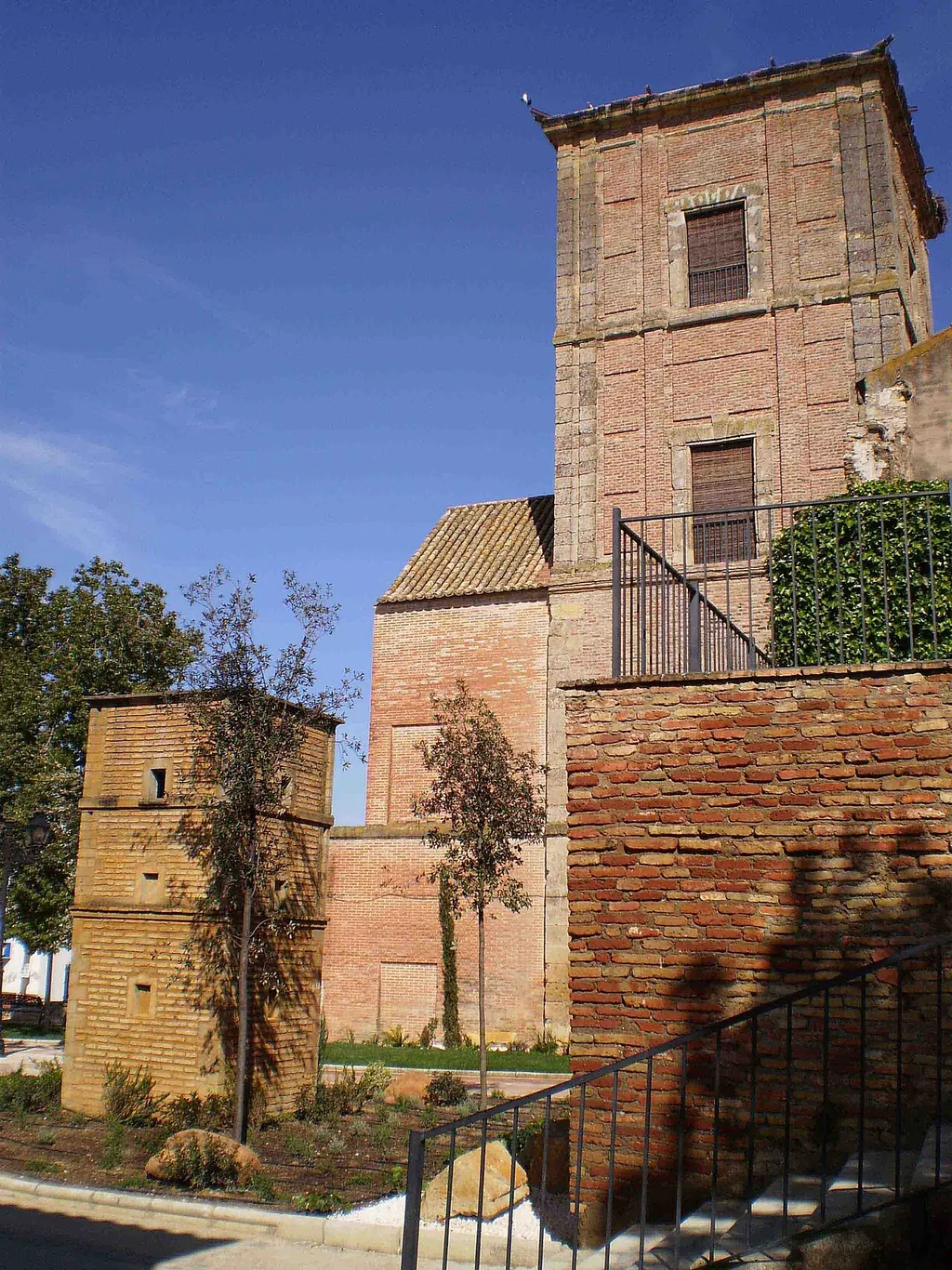
Tower of the former palace of the Marquises of Guadalcázar, which houses a natural sciences centre spread over several themed floors.
Have only individual sections read aloud
About the museum
The Torre Mocha is what survives of the palace that Diego Fernández de Córdoba y Portocarrero, first Marquis of Guadalcázar, had built as a family residence from 1616 onwards. The marquis died in 1630 without seeing the work finished. The building, some 65 metres long, with two twin towers on the façade and a courtyard with a double gallery of marble columns, deteriorated over the centuries; today only one of the towers survives intact, together with the start of the other and some mouldings. It is a Bien de Interés Cultural and municipally owned.
After its restoration, in 2003 the tower began to house the Museo de Ciencias Naturales de Guadalcázar, with collections of mineralogy, gemmology, palaeontology and entomology assembled through donations from several collectors.
In October 2025 the town council reopened the space, officially inaugurated on 17 October, under the name Centro de Interpretación de la Naturaleza y la Biodiversidad (CINABI). The route is vertical: the ground floor serves as reception and has an adapted display and an audiovisual room; the upper floors are devoted to marine ecosystems, palaeontology, mineralogy and gemmology, and to silk, together with local biodiversity and insects. The centre holds more than 6,000 pieces.
Highlights
- 17th-century tower, the only standing remnant of the palace of the Marquises of Guadalcázar
- Large Mosasaurus fossil more than 80 million years old
- Fossil whale skull from the Miocene, trilobites and ammonites
- More than 300 minerals and gemstones, rough and cut
- Almost a thousand insects arranged by family
- Vertical route with more than 6,000 pieces
Permanent exhibitions
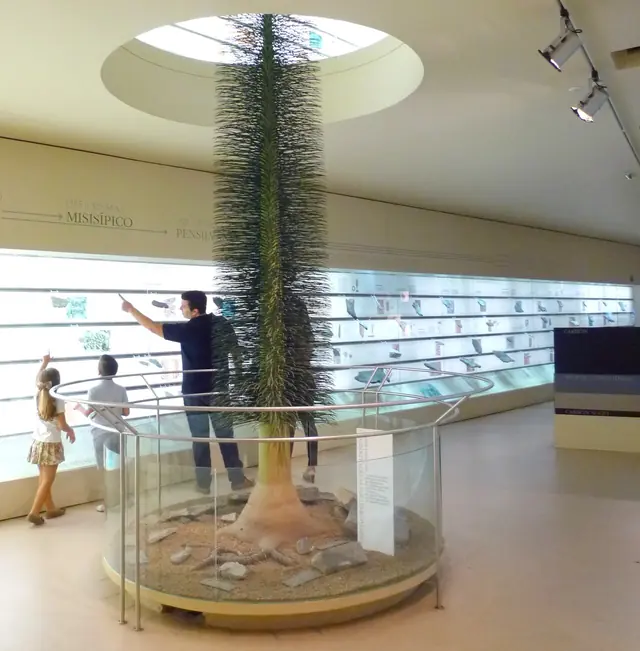
- Ecosistemas marinos y paleontología – The first floor brings together shells, corals, exotic fish and other marine specimens; the second, fossils and reproductions of key species in evolution, including a large Mosasaurus.
- Mineralogía y gemología – More than 300 specimens from different countries, rough and cut, including rubies, emeralds, diamonds and amethysts.
- Seda, biodiversidad local y entomología – The fourth floor covers the history of silk in Andalusia, silkworm rearing and the native species of the municipality; the fifth shows almost a thousand insects arranged by family.
- Founded
- 2003
- Operated by
- Ayuntamiento de Guadalcázar
Admission & discounts
The museum hasn’t published any information on this.
Accessibility
- Partially wheelchair accessible
- Elevator: no information
- Accessible restroom: no information
- Accessible parking: no information
- Service dogs welcome: no information
- Tactile models & exhibits: no information
- Sign language tours: no information
- Easy-to-read materials: no information
- Audio description: no information
The ground floor offers a representative sample of the collections adapted for people with reduced mobility, plus an explanatory video. The upper floors are reached by stairs (about 105 steps up). The centre has accessible signage.
Kids & families
Great for kids & families
| Time needed | approx. 60 min |
|---|
- Family tours & workshops
The centre has teaching resources and outreach activities adapted to different ages; the first visitors were schoolchildren from the municipality.
Getting there & parking
The museum hasn’t published any information on this.
Amenities & dining
The museum hasn’t published any information on this.
Events & venue rental
The museum hasn’t published any information on this.
Plan your visit
| Good to know | The centre’s coordinator estimates the visit at between one hour and an hour and a quarter. The ground floor has a multipurpose audiovisual room for screenings and educational activities. |
|---|