Friluftsmuseet Hägnan
Open-air museum in Gammelstad with about 50 old buildings showing life along the Norrbotten coastal lands from 1780 to 1940.
Have only individual sections read aloud
About the museum
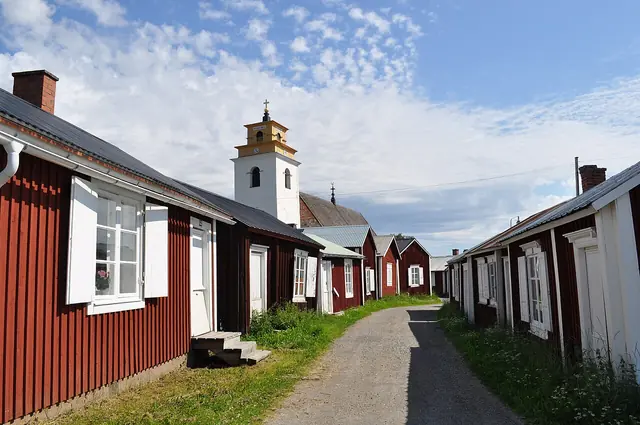
Friluftsmuseet Hägnan (Hägnan Open-Air Museum) shows how people lived, worked and played along the Norrbotten coastal lands from 1780 to 1940. It was established in 1918 on Gültzauudden in central Luleå as a Norrbotten Skansen (open-air museum) by the Norrbotten County Local Heritage Society. When visitor numbers fell, the museum was moved to Gammelstad, where the church town already attracted tourists, and the move was completed in the early 1970s. The name Hägnan was chosen in a naming competition after the move and refers to Prästhägnan, the land that belonged to the vicarage.
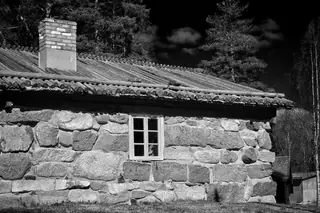
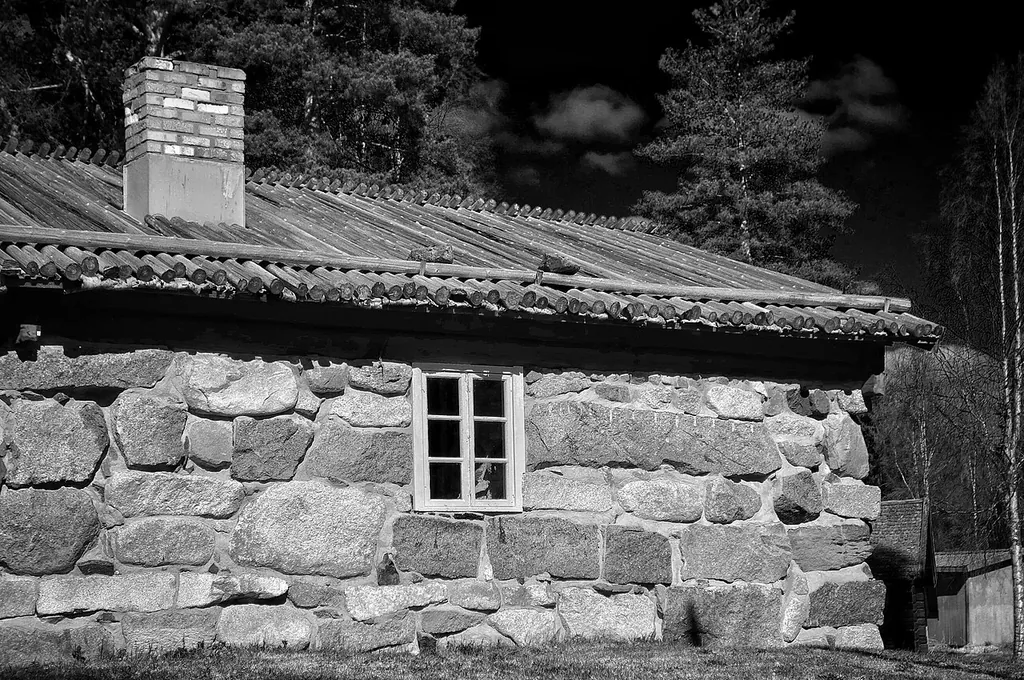
The museum was built up as a Norrbotten village street (radby), with the farms in a row towards the church town and to the south. Today it consists of about fifty old buildings. In the cottage (torpet) it is the 1780s; Storgården shows a prosperous farm of the 1880s; Peri-Hanschagården a farmhouse of the 1920s; and the general store a glimpse of the 1940s. In addition there are a bakehouse, a smithy, log storehouses (logar), dance floors, a stage and a café. Until 1992 the museum belonged to Norrbottens museum (the Norrbotten Museum), after which Luleå Municipality has managed it.
Hägnan lies between the World Heritage Site Gammelstad church town and the nature reserve Gammelstadsviken. The outdoor area is open around the clock all year round, and in summer you can meet the farm's animals.
Highlights
- The cottage from the 1700s
- Storgården from the 1880s
- Peri-Hanschagården from the 1920s
- General store in 1940s style
- Bakehouse and smithy in operation
- Farm animals in summer
Permanent exhibitions
- Gårdsmiljöer från 1780 till 1940 – The cottage (1780s), Storgården (1880s) and Peri-Hanschagården (1920s) show farmers' homes from different periods.
- Lanthandeln – Museum shop in 1940s style with a digital display.
- Founded
- 1918
- Operated by
- Luleå kommun
Admission & discounts
The museum hasn’t published any information on this.
Accessibility
- Partially wheelchair accessible
- Elevator: no information
- Accessible restroom: no information
- Accessible parking: no information
- Service dogs welcome: no information
- Tactile models & exhibits: no information
- Sign language tours: no information
- Easy-to-read materials: no information
- Audio description: no information
The area is accessible for wheelchairs and pushchairs, but access may be limited in severe weather. There are ramps to the museum farms and Kafé Fägnan, but not to all outbuildings.
Kids & families
Great for kids & families
- Family tours & workshops
- Stroller-friendly
- Baby changing facilities
- Playground / play area
Barnens Hägnan and a play cottage are on the site, and changing tables are in the visitor toilet, the general store and Kafé Fägnan. Baby food can be warmed at Kafé Fägnan.
Getting there & parking
By public transit
Bus 9 goes all the way to the church town. Buses 1 and 2 go to Stadsö centre, which means a walk of about 15 minutes.
By car
Parking available
Parking is allowed in the designated parking areas.
The open-air museum is at Gamla hamngatan 21 in Gammelstad, next to the World Heritage Site Gammelstad church town.
Get directionsAmenities & dining
- Café
- Museum shop
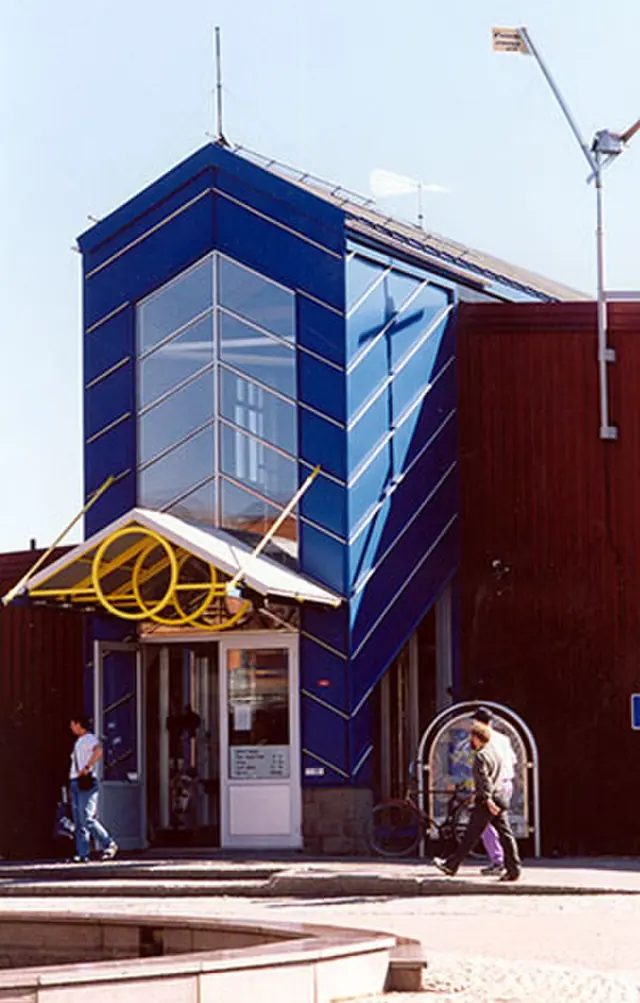
Kafé Fägnan (in summer and at events; run by Knife & Fork) and the museum shop in the general store, which accepts card, Swish and cash. Visitor toilets are in the general store, Kafé Fägnan and the Gårdshuset (farmhouse).
Events & venue rental
- Spaces for rent
- Private parties
- Weddings / ceremonies
Parts of Hägnan can be rented for events, weddings and other private functions, and the bakehouse and smithy for courses.
Plan your visit
| Guided tours | yes |
|---|---|
| Good to know | Guided tours and baking courses can be booked. Several buildings have digital tours in the app Visit Gammelstad. Leashed dogs are welcome outdoors but not inside buildings. Studs (broddar) are not permitted in the buildings. |