Norrbys museigård
Gotland’s first cultural reserve in Väte, with a preserved farmstead from 1900–1950, a watermill, a garden café and a culture trail.
Have only individual sections read aloud
About the museum
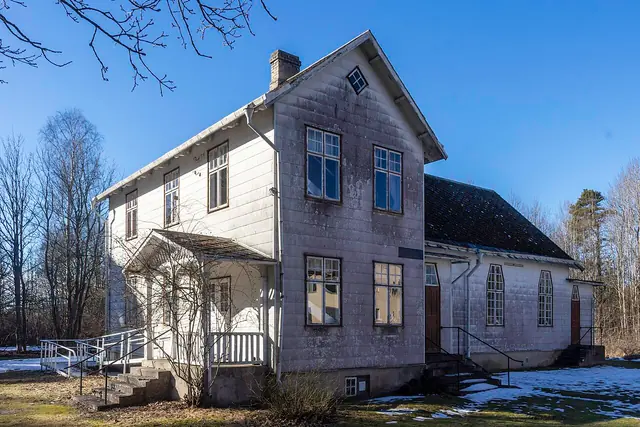
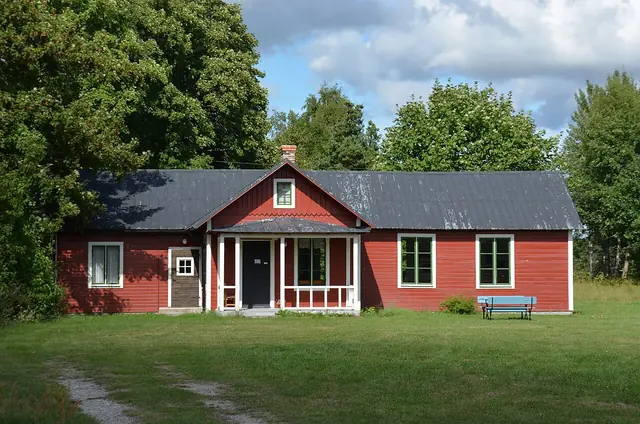
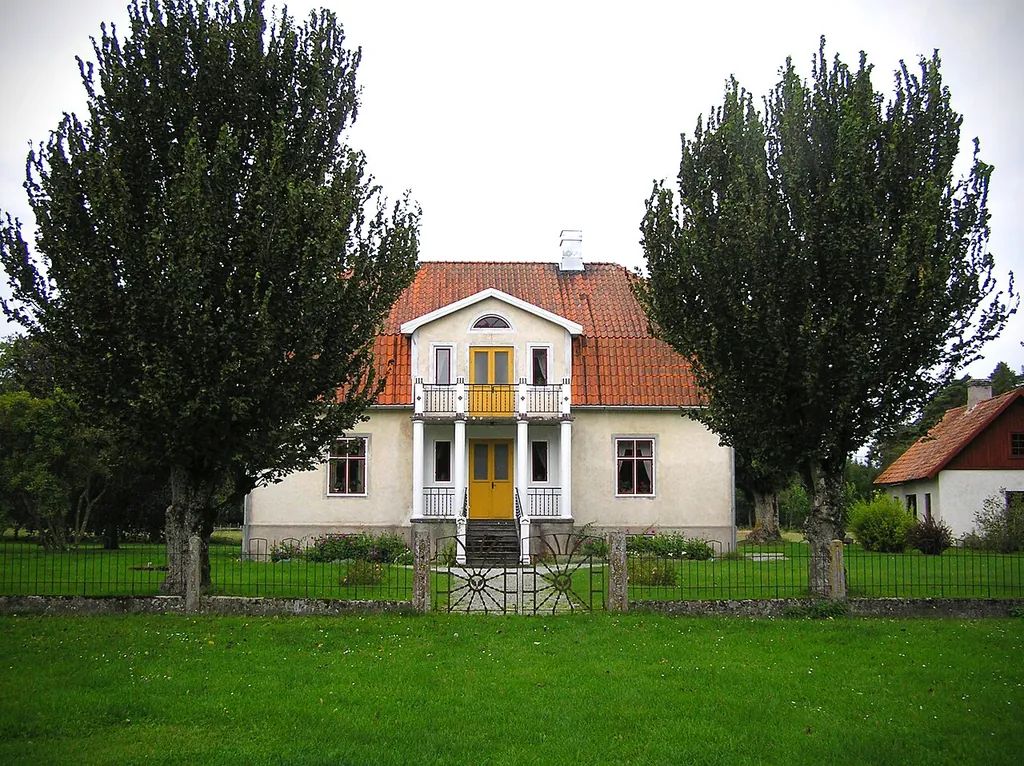
Norrbys in Väte is an old settlement that has been inhabited since at least the 16th century. In the early 1900s the siblings Edvin, Martha and Erik Johansson grew up on the farm, and they were also the last to live there. During their time the farmstead changed from an older farm into a modern agricultural holding for its day.
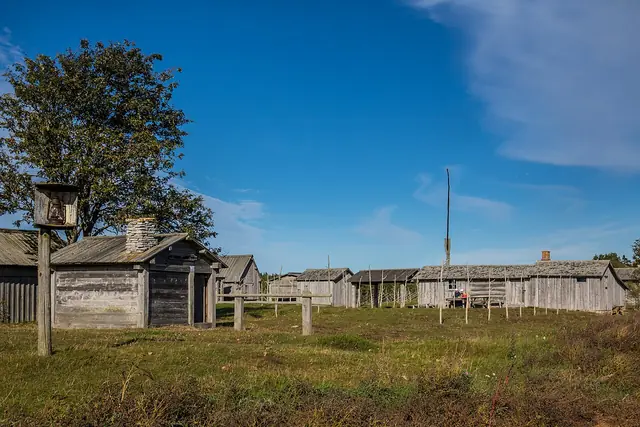
The farm was bequeathed to Gotlands Museum in 1995, became a listed building in 2001 and was declared Gotland’s first, and so far only, cultural reserve in 2002. Today the whole farm and the land around it reflect the period between 1900 and 1950, when farming moved from a many-sided livelihood to today’s production companies. Leys and cultivated grain are grown as they were almost a hundred years ago, the woodlands are selectively felled and grazed, and on the farm there is one of Gotland’s two surviving watermills.
Since 2014 Gotland’s apple clone archive (klonarkiv) has been located at Norrbys. During the season the farm is shown on guided tours; the dwelling house can only be visited on a tour, and the garden café serves, among other things, Gotlandic saffron pancake. The nature and culture trail can be visited all year round.
Highlights
- Gotland’s first cultural reserve with a farmstead from 1900–1950
- One of Gotland’s two surviving watermills
- Gotland’s apple clone archive (klonarkiv)
- Garden café with saffron pancake
- Nature and culture trail open all year round
Permanent exhibition
- Gårdsmiljön från 1900–1950 – The preserved farm with dwelling house, outbuildings, watermill and fields shows farming in the time of the Johansson siblings.
- Founded
- 1936
- Operated by
- Gotlands Museum
Admission & discounts
| Adults | SEK 95 |
|---|---|
| Children & teens | freefree up to age 18 · Under 19s have free admission. |
Museum members have free admission. The guided tour, which lasts about 45 minutes, is included in the entrance fee. The nature and culture trail costs nothing.
Accessibility
- Partially wheelchair accessible
- Elevator: no information
- Accessible restroom: no information
- Accessible parking
- Service dogs welcome: no information
- Tactile models & exhibits: no information
- Sign language tours: no information
- Easy-to-read materials: no information
- Audio description: no information
The main car park is next to the cultural reserve, and there is an accessible toilet building. By the café there are some parking spaces for people with reduced mobility. The courtyard is grass-covered, and parts of the nature and culture trail are difficult by wheelchair. The dwelling house is not accessible.
Kids & families
Great for kids & families
| Kids’ admission | free up to age 18 |
|---|
- Family tours & workshops
- Hands-on stations
Children can dress up in period clothes, do laundry the old way (byka), card wool, look at insects and spend time with the animals. In summer there are hens, lambs and pigs on the farm.
Getting there & parking
By car
Parking available
Main car park next to the cultural reserve.
- Accessible parking
Amenities & dining
- Café
- Museum shop
Garden café with sandwiches, pancakes (plättar), saffron pancake, coffee cake and ice cream. A small selection of products is sold, including honey from the farm’s own beehives.
Events & venue rental
The museum hasn’t published any information on this.
Plan your visit
| Guided tours | yes · approx. 45 min |
|---|---|
| Good to know | The dwelling house can only be visited in connection with a guided tour. Larger groups and visits outside opening hours can book a tour. |