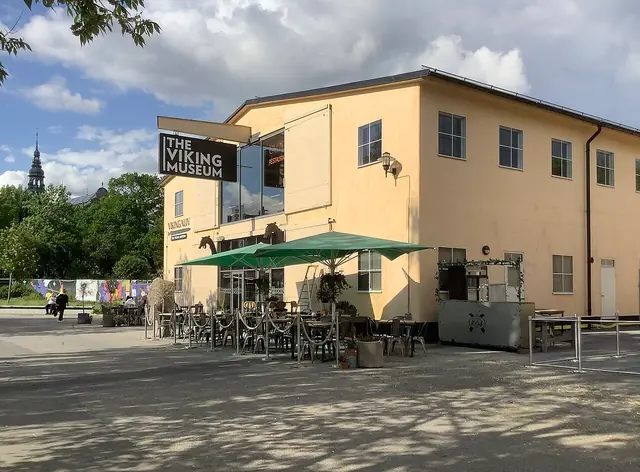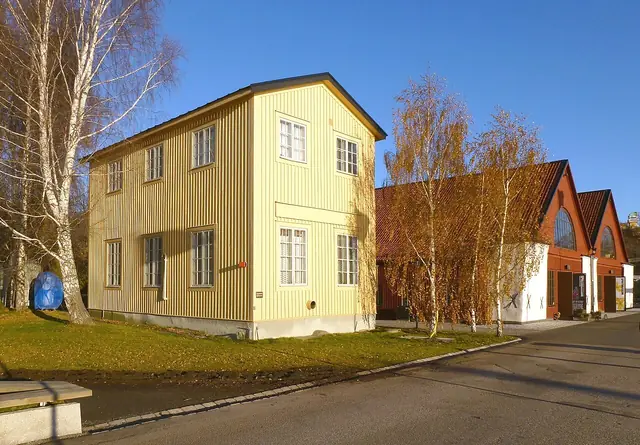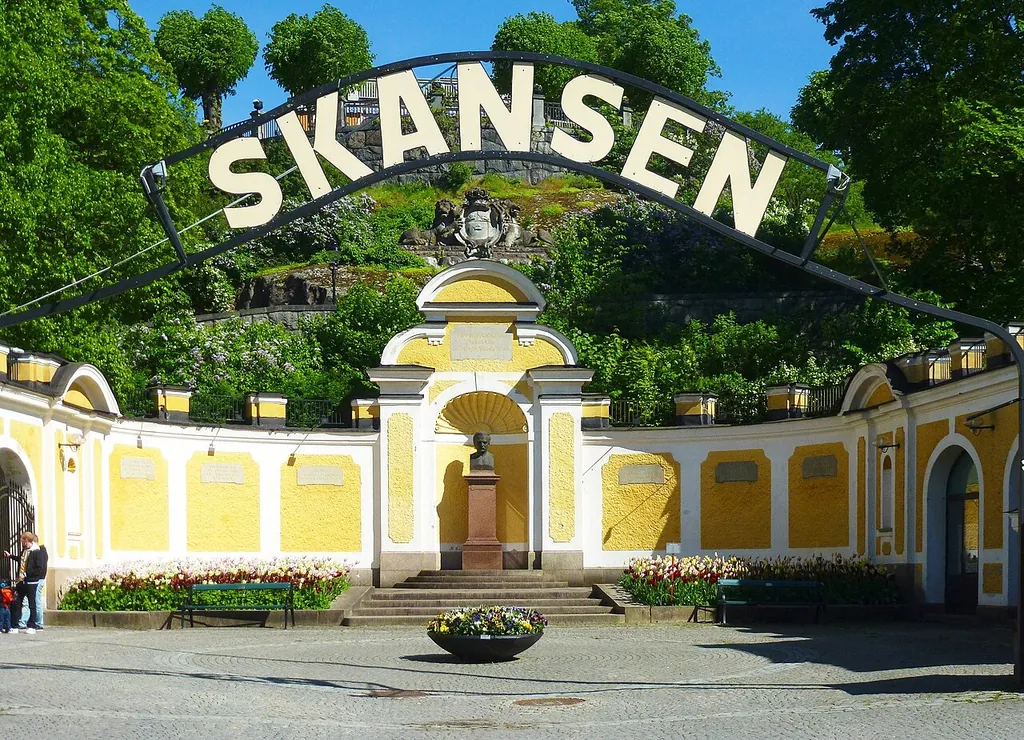
Skansen
The world's oldest open-air museum on Djurgården, with about 190 historical buildings, gardens, a Nordic animal park and living crafts.
Have only individual sections read aloud
About the museum
Skansen was founded in 1891 by the linguist, teacher and adult educator Artur Hazelius, who had also founded the Nordiska museet. His idea was to bring nature and culture to life by collecting buildings, plants and animals from all over Sweden and showing how people had lived and worked in different parts of the country. He was allowed to buy land on Skansenberget and immediately began moving houses there from across the country.
At first the houses were filled with dolls in folk costume, but these were quickly replaced by living groups of costumed staff, and Skansen has since been a living open-air museum with spinning wheels, looms and crafts. Animals have always been part of it: domestic animals from the old peasant society and wild Nordic animals, but also a few exotic animals that Hazelius received as gifts and let stay.
Over the years the area has been extended, including in 1901, when the former Stockholms Tivoli was incorporated as Galejan. Today there are about 190 museum buildings in the park, the oldest from the early 14th century and the most modern from the 1950s, together with gardens that show four centuries of Swedish garden history.
Skansen is open all year round and offers everything from community singing and traditional festivals to crafts, an animal park with Lill-Skansen, the Baltic Sea Science Center and the Skansen Aquarium.
Highlights
- About 190 historical buildings from across Sweden
- The Skogaholm kitchen garden from the 18th century and Rosengården
- The Nordic animal park and Lill-Skansen
- The Baltic Sea Science Center
- The Bergbanan funicular and Seglora church
- Festivals such as Valborg (Walpurgis Night), New Year and the Christmas market
Permanent exhibitions
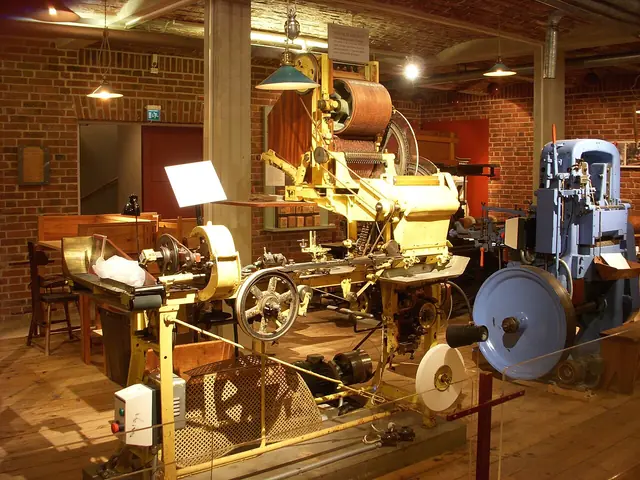
- Friluftsmuseet – About 190 museum buildings, gardens and living crafts that show Swedish everyday life from the 14th to the 1950s.
- Djurparken – Nordic wild animals, farm animals, Lill-Skansen, the Skansen Aquarium and the Baltic Sea Science Center.
- Founded
- 1891
- Operated by
- Stiftelsen Skansen
- Visitors per year
- approx. 1,300,000
Admission & discounts
| Reduced | –Students and pensioners (with proof of at least 50% sickness benefit) |
|---|---|
| Children & teens | freefree up to age 15 · Children aged 0–15 enter free but need to book a free ticket; children under 13 must be accompanied by an adult |
| Visitors with disabilities | –companion free · Companions and personal assistants enter free with proof of companion status |
| Students & apprentices | –Discount on the adult price with a student card |
| Groups | –No group discount, but day tickets are cheaper when bought online |
| Årskort (annual pass) | SEK 445Valid for 12 months; costs less than two day visits |
| Bergbanan up and down | SEK 35Valid for everyone over 4; wheelchair users with a companion travel free |
The day ticket is valid all day, including the Baltic Sea Science Center and Lill-Skansen. The price varies by season and is lowest online; tickets bought at the entrances are slightly more expensive. The Skansen Aquarium is not included in the ticket. The entrances are cashless.
Accessibility
- Partially wheelchair accessible
- Elevator
- Accessible restroom
- Accessible parking
- Service dogs welcome
- Tactile models & exhibits: no information
- Sign language tours: no information
- Easy-to-read materials: no information
- Audio description: no information
The terrain is hilly and many cultural-heritage buildings are sensitive. Fixed wheelchair ramps are available at, among others, Seglora kyrka, Snickerifabriken and Bollnässtugan, and portable ramps at Skånegården, Statarlängan and Väla skola. Three disabled parking spaces are available via Sollidsporten. Wheelchairs can be borrowed at the main entrance (SEK 200 deposit), and wheelchair-accessible toilets are in several places. There is a lift at the Baltic Sea Science Center. Hearing loops are available at, among other places, Sollidenplan and Seglora kyrka. A rest room is at the main entrance.
Kids & families
Great for kids & families
| Kids’ admission | free up to age 15 |
|---|
- Family tours & workshops
- Hands-on stations
- Playground / play area
Lill-Skansen with contact gardens and a playground, Galejan's funfair for children, activities during the autumn holiday and Halloween, and the Baltic Sea Science Center are included for children. Children aged 0–15 enter free; children under 13 must be accompanied by an adult.
Getting there & parking
By public transit
Skansen
Tram line 7 from T-Centralen and the museum tram 7N from Norrmalmstorg. Bus 67 from Odenplan, buses 69 and 76 to Djurgårdsbron (950 metres). Djurgården ferry line 82 from Slussen and M/S Emelie to Allmänna gränd, 400 metres from Skansen.
By car
Parking available
Very limited parking on Djurgården. Three disabled parking spaces are inside the area via Sollidsporten. Djurgården is closed to private cars at certain times.
- Accessible parking
About a 10-minute walk from Djurgårdsbron. Cycle paths all the way. Wasahamnen guest harbour for boats.
Get directionsAmenities & dining
- Café
- Restaurant
- Museum shop
- Lockers
Several restaurants, cafés and shops in the park. Lockers at the main entrance (SEK 29–49 per hour). Sulky carriages can be hired at the main entrance.
Events & venue rental
- Spaces for rent
- Private parties
- Corporate events
Corporate bookings and experiences can be arranged.
Inquiries & detailsPlan your visit
| Guided tours | yes |
|---|---|
| School programs | yes |
| Good to know | School classes can visit Skansen on their own after advance booking, or book a school visit and lesson. Dogs may not be brought in, except assistance dogs; an assistance dog may not be in direct contact with the animals. |