Tjurkö stenhuggeri
Cultural environment at Herrgårdsviken on Tjurkö, with a stonemasonry museum in the Restaurationshuset and a marked trail past quarries and workers’ housing.
Have only individual sections read aloud
About the museum
In the 19th century the population of Tjurkö lived by fishing and smallholding, and quarrying stone became an important extra income. At Herrgården, stone quarrying developed into purely industrial activity after 1862, when the German engineer Franz Herman Wolff bought quarrying rights on the island. Production focused mainly on cobblestones and kerbstones for export, above all to Germany, and Tjurkö became the centre of Blekinge’s stonemasonry industry.
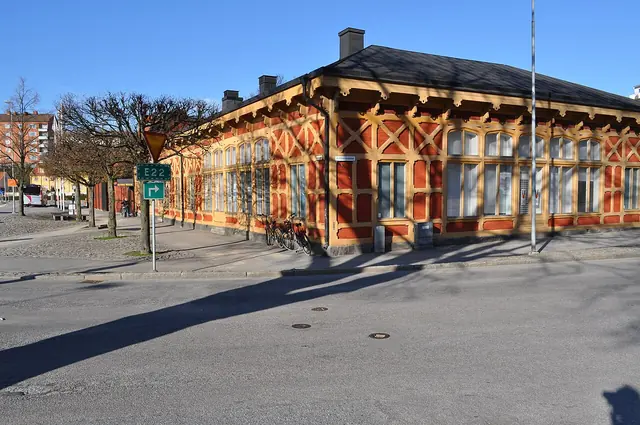
Over time about a thousand wage earners worked in the stonemasonry. Between 1872 and 1894 there was also a branch of the Kronoarbetskåren (Crown Labor Corps) on the island, and in total about 5,000 prisoners worked for Wolff during the period. Workers’ housing, shops, eating places and the Restaurationshuset (Restaurant House) with a general store, dining hall, bakery and brewery were built. Activity decreased towards the end of the 19th century and almost ceased entirely at the end of the 1930s.
Today Blekinge Museum shows an exhibition on the stonemasonry in the Restaurationshuset, with pictures, tools and a model of the area as it was in the 19th century. A walking trail of about 1.5 km with information signs runs around the area, and guided tours are held a few times each summer.
Highlights
- Stonemasonry museum in the Restaurationshuset with tools, pictures and an area model
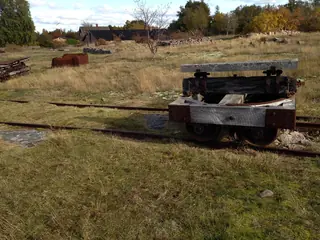
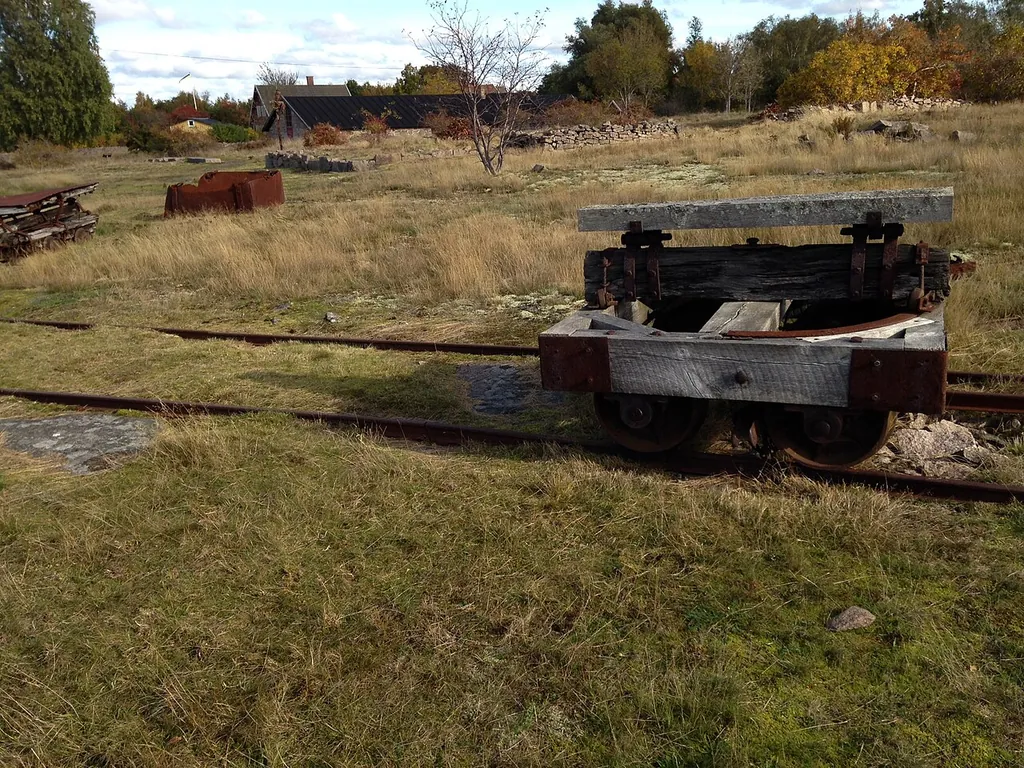
- Culture trail of about 1.5 km past quarries and facilities
- Stonemasons’ barracks, offices and smithy at Herrgårdsviken
- Guided tours a few times every summer
- Audio walk via the Hi-story app
- Operated by
- Blekinge museum (utställning), Skärgårdskraft (verksamhet i Restaurationshuset)
Admission & discounts
Admission is free.
The museum has free admission.
Accessibility
- Wheelchair accessible: not available
- Elevator: no information
- Accessible restroom: no information
- Accessible parking: no information
- Service dogs welcome: no information
- Tactile models & exhibits: no information
- Sign language tours: no information
- Easy-to-read materials: no information
- Audio description: no information
The walking trail is not adapted for people with reduced mobility.
Kids & families
The museum hasn’t published any information on this.
Getting there & parking
By public transit
St. Lycke · 250 m
Bus 123 to the terminus St. Lycke, about 250 meters on foot. The archipelago boats M/F Wittus and M/F Flaggskär call at Herrgårdsviken, about 250 meters from the Restaurationshuset.
By car
Parking available
From central Karlskrona it is about 3 mil (Swedish miles) by road and about 3 km by boat. Drive east on the E22 and follow the signs towards Sturkö and the Tjurkö stonemasonry area.
Get directionsAmenities & dining
- Café
- Museum shop
Skärgårdskraft runs a café, ice cream and a general store, and sells art, crafts and antiques in the Restaurationshuset.
Events & venue rental
The museum hasn’t published any information on this.
Plan your visit
| Guided tours | yes |
|---|---|
| Audio guide | yes |
| Good to know | Guided tours in the stonemasonry area are held a few times each summer; book by telephone. With the Hi-story app you can take an audio walk along the trail. |