Museum kunst + wissen
Museum in the Upper Amtshaus on the Rhine in Diessenhofen: works by Carl Roesch, relics of Turkey-red dyeing and fabric printing, and art exhibitions.
No sound? Check your device’s silent switch.
Have only individual sections read aloud
About the museum
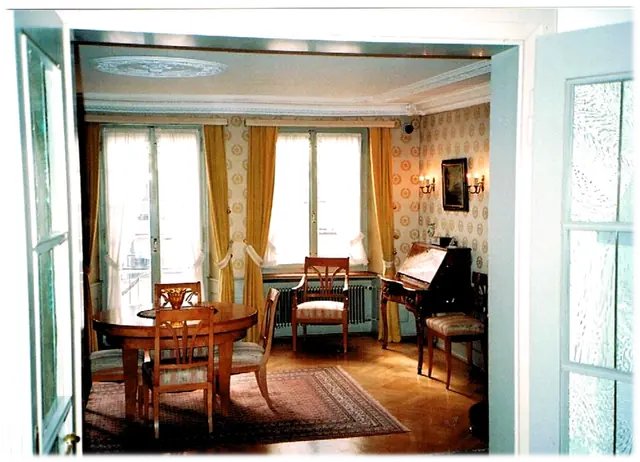
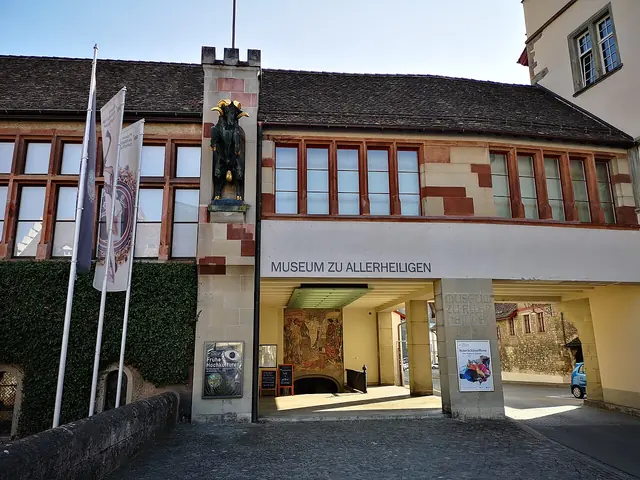
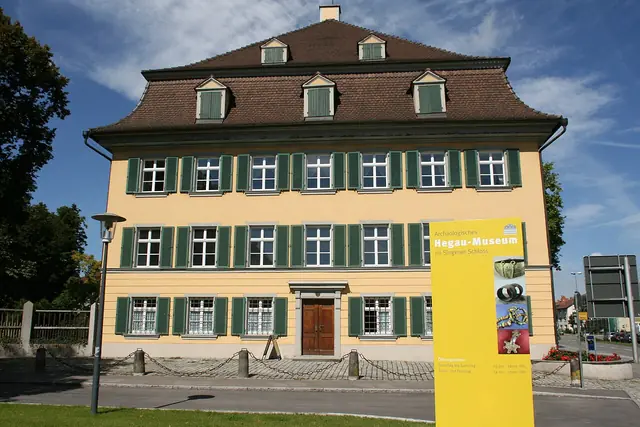
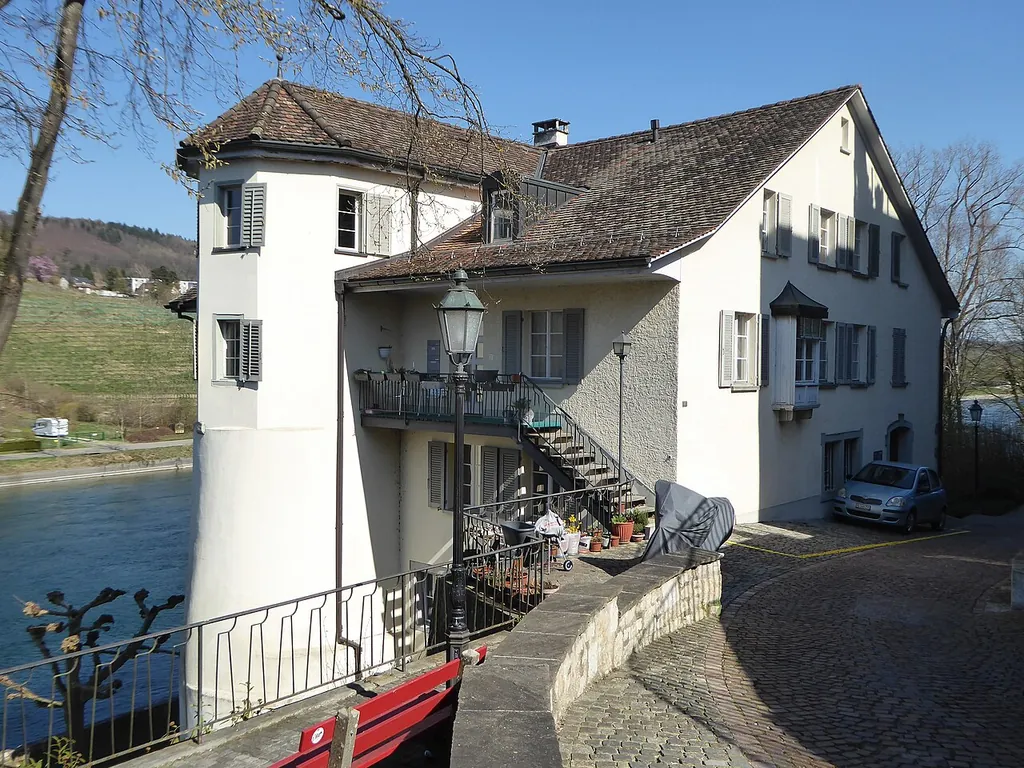
The museum is housed in the Upper Amtshaus, a 16th-century building that once belonged to the Petershausen monastery in Konstanz. From 1814, Diessenhofen entrepreneurs used the house for a textile dyeing and printing business, later known as Turkey-red dyeing and calico printing. At its peak, 110 people worked at 45 printing tables there. In 1884 the business closed after synthetic dyes replaced madder root.
In 1947 the municipality acquired the site. Finds from the old dye works and a bundle of pattern drawings led to a first public exhibition in 1951 and to the idea of a museum. On December 8, 1961, the Stoffdruckereimuseum (textile printing museum) opened in the former factory rooms. On the upper floor, the Diessenhofen artist Carl Roesch (1884–1979) received rooms for a permanent exhibition. The local museum was long run on a voluntary basis by local historians and teachers.
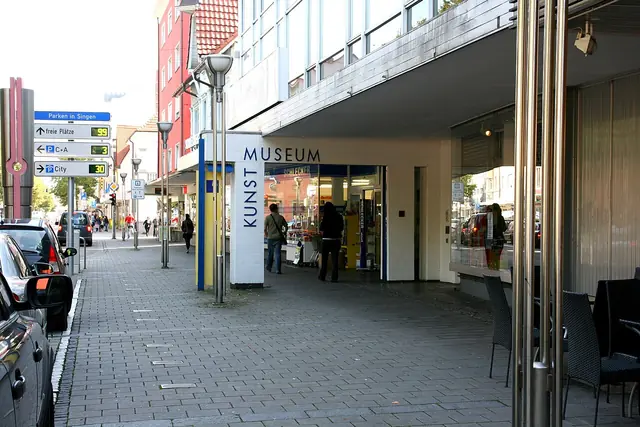
After several years with occasional art exhibitions, the house reopened on February 14, 2014, under the direction of an art historian, realigned its content, and received its current name, museum kunst + wissen. Across three levels, it now shows special exhibitions on art, culture, nature, and local history, as well as works by Carl Roesch and other artists connected to Diessenhofen, and the collection on Turkey-red dyeing and fabric printing.
Highlights
- Works by Diessenhofen artist Carl Roesch (1884–1979)
- Relics of the former Turkey-red dye works and calico printing
- Historic 16th-century Amtshaus with stair tower directly on the Rhine
- Textile printing workshop for school classes with wooden printing blocks
- Free admission
Permanent exhibitions
- Sammlung zur Rotfärberei und Stoffdruckerei – Relics of Turkey-red dyeing and calico printing, which operated in the museum building about 200 years ago, including design drawings and printing blocks.
- Werke von Carl Roesch – The museum preserves works by Diessenhofen artist Carl Roesch (1884–1979) and other artists with ties to the town.
- Founded
- 1961
- Operated by
- Stadtgemeinde Diessenhofen
- Director
- Lucia Angela Cavegn
Admission & discounts
Admission is free.
| Private overview tour for groups (60–90 min.) | CHF 150Flat rate, up to CHF 200 depending on length; CHF 20 discount for arrivals by boat. |
|---|---|
| Textile printing workshop for school classes (about 2 hours, up to 16 people) | CHF 320Materials included; Thurgau classes can apply to the Kulturamt for a contribution. |
Admission is free; the museum asks for a donation.
Accessibility
- Partially wheelchair accessible
- Elevator: no information
- Accessible restroom: not available
- Accessible parking: no information
- Service dogs welcome: no information
- Tactile models & exhibits: no information
- Sign language tours: no information
- Easy-to-read materials: no information
- Audio description: no information
The entrance floor with the special exhibitions is accessible for people with mobility impairments, and a mobile wheelchair ramp is available. There is no wheelchair-accessible restroom.
Kids & families
- Family tours & workshops
School classes can take a textile printing workshop, where they print with wooden blocks.
Getting there & parking
By public transit
Schifflände Diessenhofen
From spring to autumn by boat of the Schifffahrtsgesellschaft Untersee und Rhein to Diessenhofen; the museum is a few minutes' walk from the Schifflände (landing stage).
Amenities & dining
- Museum shop
Museum shop with postcards, art cards, hiking maps, and books about and from Diessenhofen.
Events & venue rental
The museum hasn’t published any information on this.
Plan your visit
| Guided tours | yes · approx. 60 min |
|---|---|
| School programs | yes |
| Good to know | Private guided tours for groups in German, French, and Italian, including half-day programs with a coffee break. The museum is a TiM museum and welcomes tandems. |