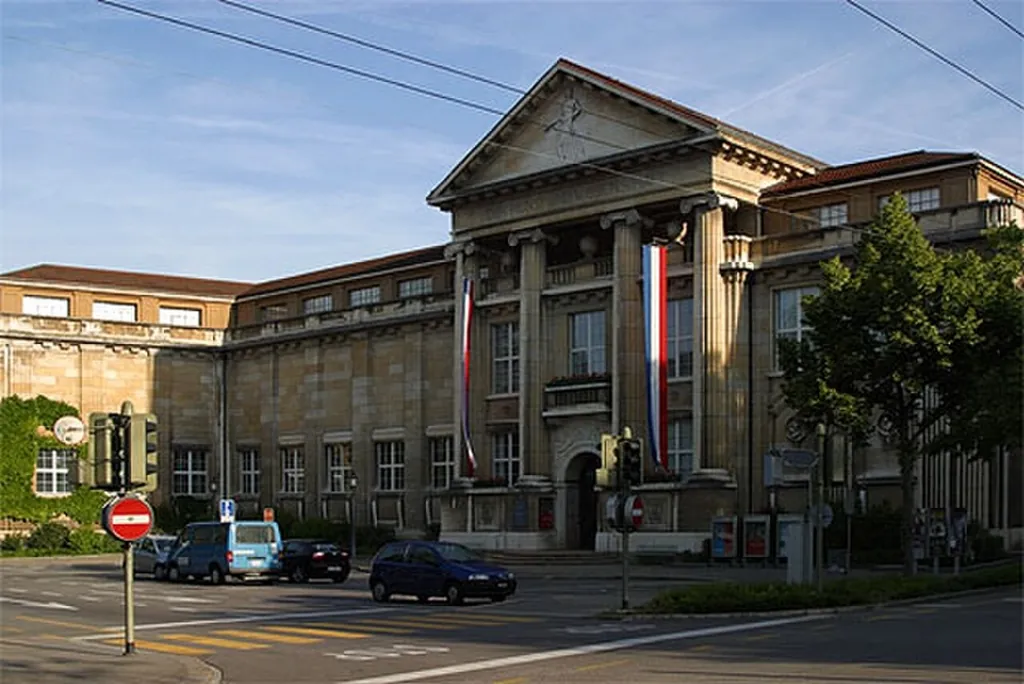
Naturmuseum Winterthur
Municipal natural history museum in Winterthur with a permanent exhibition on native nature, earth history and ethnology, plus the Kindermuseum Kerala.
No sound? Check your device’s silent switch.
Have only individual sections read aloud
About the museum
The roots of the natural history museum reach back to the mid-17th century: the then Bürgerbibliothek Winterthur (citizens' library) collected natural specimens and curiosities, including a crocodile several meters long that came into the collection as a gift in 1664 and can still be seen today. In 1862 the natural science collection became independent and subsequently moved several times.
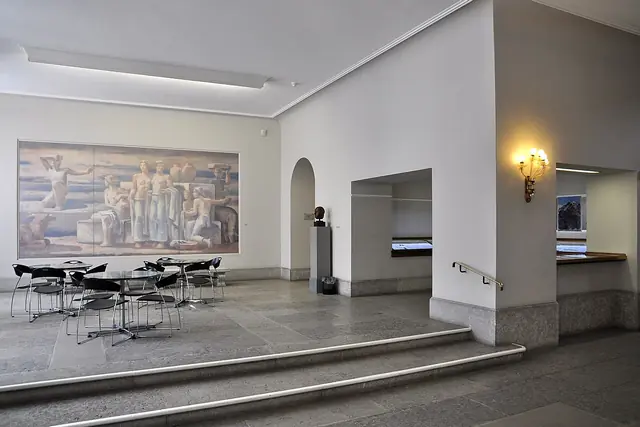
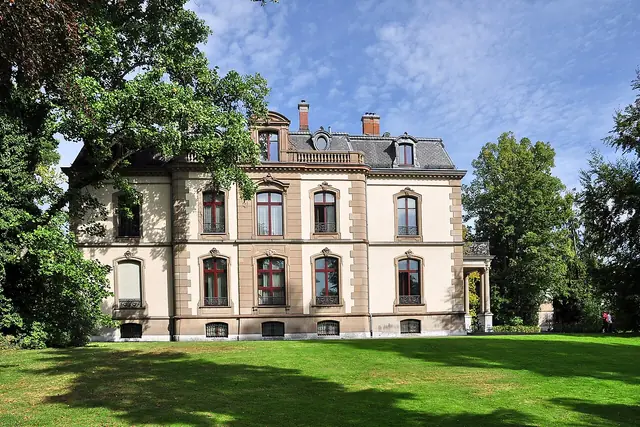
Since 1916 the museum has been housed in the building at Museumstrasse 52, which it shares with the Kunst Museum Winterthur. In the 1970s, under director Kurt Madlinger, the house opened up more to changing thematic exhibitions; in 1996 the Kindermuseum Kerala (children's museum) was established.
Between 2001 and 2005 the permanent exhibition was completely redesigned. The result was honored in 2006 with the Swiss museum prize Prix Expo and in 2007 nominated for the European Museum of the Year Award.
Today the Naturmuseum is a municipal institution of the city of Winterthur. It looks after the city's natural science and ethnological collections, researches them, and presents them in exhibitions, guided tours and workshops for schools, families and adults.
Highlights
- Regional habitats with animals and plants from town, forest and wetland
- Earth history with Winterthur fossils and marine animals from the Molasse period
- Ida-Ziegler-Schiff with ethnological objects, including an Egyptian mummy
- Kindermuseum Kerala with stories, masks and discovery boxes
- Nature finds office for identifying your own finds
Permanent exhibition
- Dauerausstellung – The exhibition takes visitors through the nature on their doorstep: native habitats, landscape change, fossils and earth history, minerals, and the Alps. The Ida-Ziegler-Schiff displays ethnological collection objects.
- Operated by
- Stadt Winterthur, Departement Kulturelles und Dienste
- Director
- Daniela Zingg
Admission & discounts
| Adults | CHF 5 |
|---|---|
| Reduced | CHF 3 |
| Children & teens | freefree up to age 15 · Children and young people under 16 enter free. |
| Combined ticket with the Kunst Museum Winterthur | CHF 19as stated on the Naturmuseum's visitor page |
Accessibility
- Wheelchair accessible
- Elevator
- Accessible restroom
- Accessible parking: no information
- Service dogs welcome: no information
- Tactile models & exhibits: no information
- Sign language tours: no information
- Easy-to-read materials: no information
- Audio description: no information
Step-free access through the back courtyard, lifts to all exhibition areas, wheelchair-accessible exhibition rooms and a WC with a changing table.
Kids & families
Great for kids & families
| Kids’ admission | free up to age 15 |
|---|
- Family tours & workshops
- Hands-on stations
- Baby changing facilities
- Kids’ birthday parties
Kerala Kreativ takes place on Sundays in two time slots (from age 6, not during the summer holidays); the holiday workshop runs Tuesday to Saturday during school holidays without registration. Children's birthday parties on Wednesdays or Saturdays for up to 10 children (about 90 minutes, CHF 150). No strollers are allowed in the children's museum.
Getting there & parking
By public transit
Stadthaus
From Winterthur station it is about a 7-minute walk, or take buses 1, 3 or 10 to the Stadthaus stop.
By car
Parking available
Parking garage at Liebestrasse, or street parking spaces (limited to two hours).
Amenities & dining
- Café
- Coat check
Eating and drinking are only allowed in the café and the covered inner courtyard. Large bags must be left in the cloakroom.
Events & venue rental
The museum hasn’t published any information on this.
Plan your visit
| Guided tours | yes |
|---|---|
| School programs | yes |
| Good to know | Guided tours and family Sundays combine the walk-through with hands-on activities (from age 6); there are dedicated education programs for school classes and adult groups. |