Museum of Cambridge
Local history museum in a 17th-century coaching inn in Cambridge, telling the everyday stories of the people of Cambridge and Cambridgeshire.
Have only individual sections read aloud
About the museum
The Museum of Cambridge opened in 1936, although its roots go back to 1933. That year the Cambridgeshire Federation of Women's Institutes held an exhibition of local objects, called A Festival of Olden Times, in the Guildhall. It was so popular that people called for a permanent collection of social history. Ernest Saville Peck, the founder of the Cambridge Rotary Club, proposed a museum of everyday objects that would show how townspeople and country people had lived in earlier centuries, and a committee was formed to bring the idea to life.
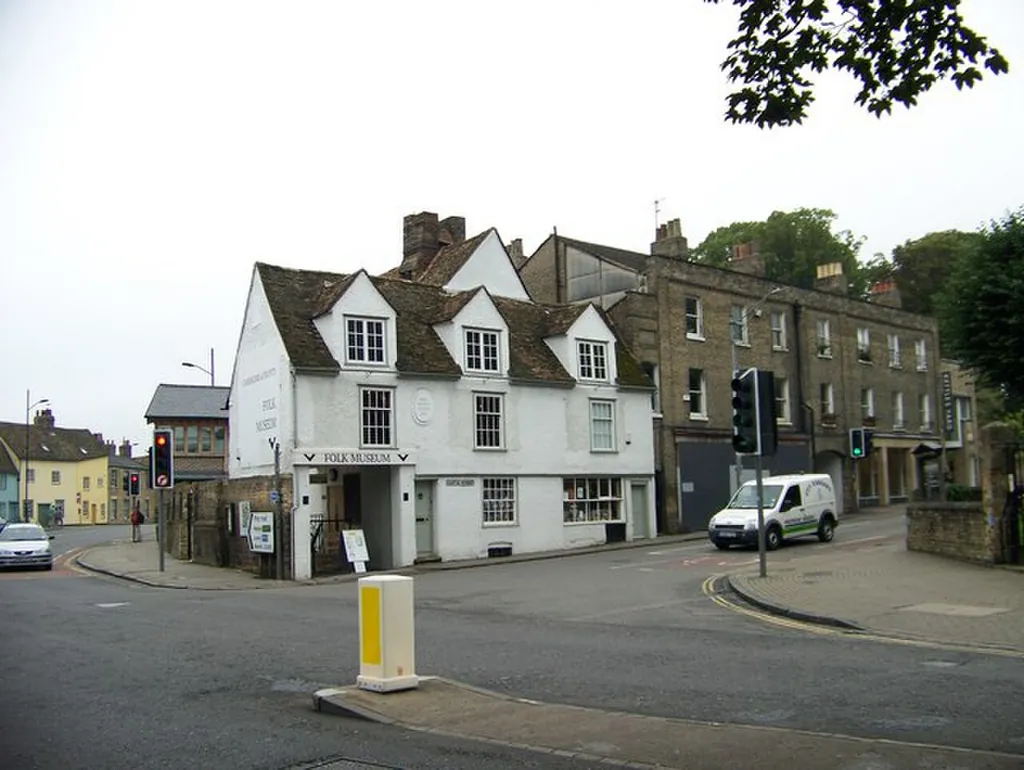
The museum is housed in the former White Horse Inn, a Grade II listed timber-framed coaching inn from the 17th century on Castle Street. It is a rare surviving building of its type that is open to the public, with winding staircases, uneven floors and low doorways. For more than 70 years it was known as the Cambridge and County Folk Museum.
The collection covers everyday life, customs and traditions in Cambridge and the surrounding county over more than 300 years. The folklorist Enid Porter, curator from 1947 to 1976, shaped the collection by recording local people's stories and memories, and the museum continues her approach with projects on more recent and diverse heritage. It is run today as an independent charity.
Highlights
- 17th-century timber-framed coaching inn with winding stairs and uneven floors
- Everyday objects telling 300 years of Cambridge and Cambridgeshire life
- Collection shaped by the folklorist Enid Porter, curator from 1947 to 1976
- Changing exhibitions, family trails and craft activities in school holidays
- Cambridge in Context walking tour starting at the museum
Permanent exhibition
- Permanent displays – Everyday objects, customs and stories from over 300 years of life in Cambridge and Cambridgeshire, shown in the rooms of the historic inn.
- Founded
- 1936
- Operated by
- Museum of Cambridge (registered charity)
Admission & discounts
| Adults | £7 |
|---|---|
| Reduced | £6Concession |
| Children & teens | freefree up to age 16 · Children aged 16 and under are free. |
| Visitors with disabilities | –companion free · Carers accompanying a visitor are admitted free. |
| Groups (5+ people) | –Groups of 5 or more adults receive a 20% discount and must book in advance; an administration fee of £1.50 applies to large language and commercial tour groups. |
| Last-call entry (from 16:00) | £3.50 |
| Cambridge in Context walking tour (includes museum entry) | £15Students and jobseekers pay £10 and children aged 16 and under go free; booking by email, minimum group size of 5. |
The standard ticket costs £7, or £7.70 with a voluntary 10% donation and Gift Aid. Friends of the Museum, Museums Association members and Art Fund members are admitted free.
Accessibility
- Partially wheelchair accessible
- Elevator
- Accessible restroom
- Accessible parking: no information
- Service dogs welcome: no information
- Tactile models & exhibits: no information
- Sign language tours: no information
- Easy-to-read materials: no information
- Audio description: no information
The museum describes its historic building as not wheelchair accessible: visitors with limited mobility can use the shop, which has a street-level entrance, and the accessible toilet on the ground floor. The building has uneven floorboards, narrow staircases and crooked doorways, and a lift is available if required. Carers or supporters are admitted free, and free SEND sensory totes with ear defenders, activity sheets and fidget toys can be borrowed on request. There are no parking spaces at the museum; the nearest car park, Castle Street Car Park, has four Blue Badge bays. A collaborative online project with Kettle's Yard shows the museum's interior.
Kids & families
Great for kids & families
| Kids’ admission | free up to age 16 |
|---|
- Family tours & workshops
- Activity booklet, scavenger hunt or kids’ audio guide
- Baby changing facilities
Children aged 16 and under are free. During school holidays the museum runs trails and drop-in crafts, for example a Witch Bottle trail and Corn Dolly crafting in October half-term 2026, and it offers Little Feet, Big Impressions sessions for young children. Sensory totes with activity sheets are available, and free family activity resources can be downloaded from the website.
Getting there & parking
By public transit
Northampton Street bus stop · 1-min walk
A bus stop on Northampton Street, almost outside the museum, serves the number 4, 905 and X3 buses. The X3 also stops on Castle Street, a 1-minute walk away, and Busway bus A stops at Shire Hall, a 3-minute walk. Cambridge station is about a 30-minute walk, with buses from the station; the Madingley Road Park and Ride service has a stop on Bridge Street.
By car
No on-site parking at the museum.
There are no parking spaces at the museum. The closest car park is Castle Street Car Park, a 4-minute walk, which is often busy and has four Blue Badge bays. Bike parking is available on Bridge Street and Northampton Street.
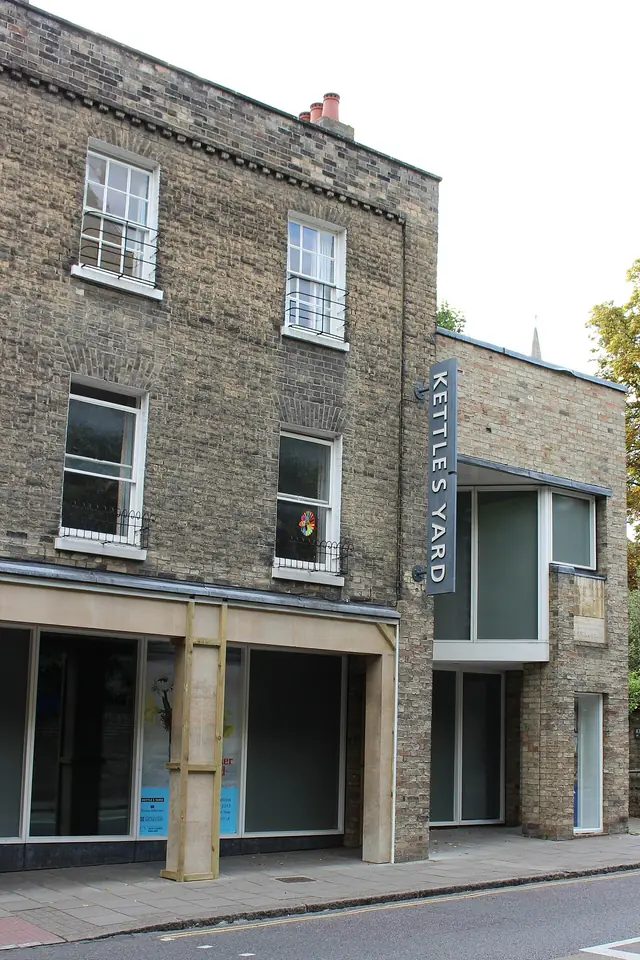
The museum stands on Castle Hill at the corner of Castle Street and Northampton Street, next to Kettle's Yard and about a 15-minute walk from King's College. what3words: probe.fuzzy.prom.
Get directionsAmenities & dining
- Museum shop
The museum shop sells Cambridge-themed gifts, books, toys and local products. There is no café; visitors with a museum ticket get 20% off at the Sage Cafe on the same day. Free period products are available.
Events & venue rental
- Spaces for rent
- Corporate events
The Enid Porter Room and courtyard can be hired for meetings, workshops, talks and pop-up events, with a projector, laptop and Wi-Fi for hirers; no catering and no alcohol licence. The room and courtyard are accessible for users of small wheelchairs.
Inquiries & detailsPlan your visit
| Guided tours | yes |
|---|---|
| School programs | yes |
| Good to know | The Cambridge in Context walking tour, led by volunteer guides, starts at the museum, climbs Castle Mound and follows Castle Street to Magdalene Bridge before returning to the museum. Tours are booked by email for groups of at least 5. Large and commercial groups must book in advance. Schools can book sessions and loan boxes. |