Etnografski muzej
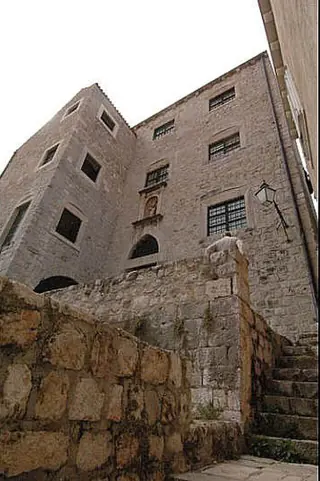
Museum in the Rupe, the largest granary of the Republic of Ragusa, presenting the traditional culture of the Dubrovnik region, its costumes and rural economy.
Have only individual sections read aloud
About the museum
The Etnografski muzej (Ethnographic Museum) has its origins in a collection of traditional culture that began to take shape in the first decades of the 20th century. The holdings were greatly enlarged with costumes and embroideries donated several times by the great benefactress of the museum, Jelka Miš (1875–1956). The collection grew into the Ethnographic Department of the Dubrovnik Museum, which in 1950 opened on the second floor of Fort St John the first display of authentic folk handicrafts of the Dubrovnik region.
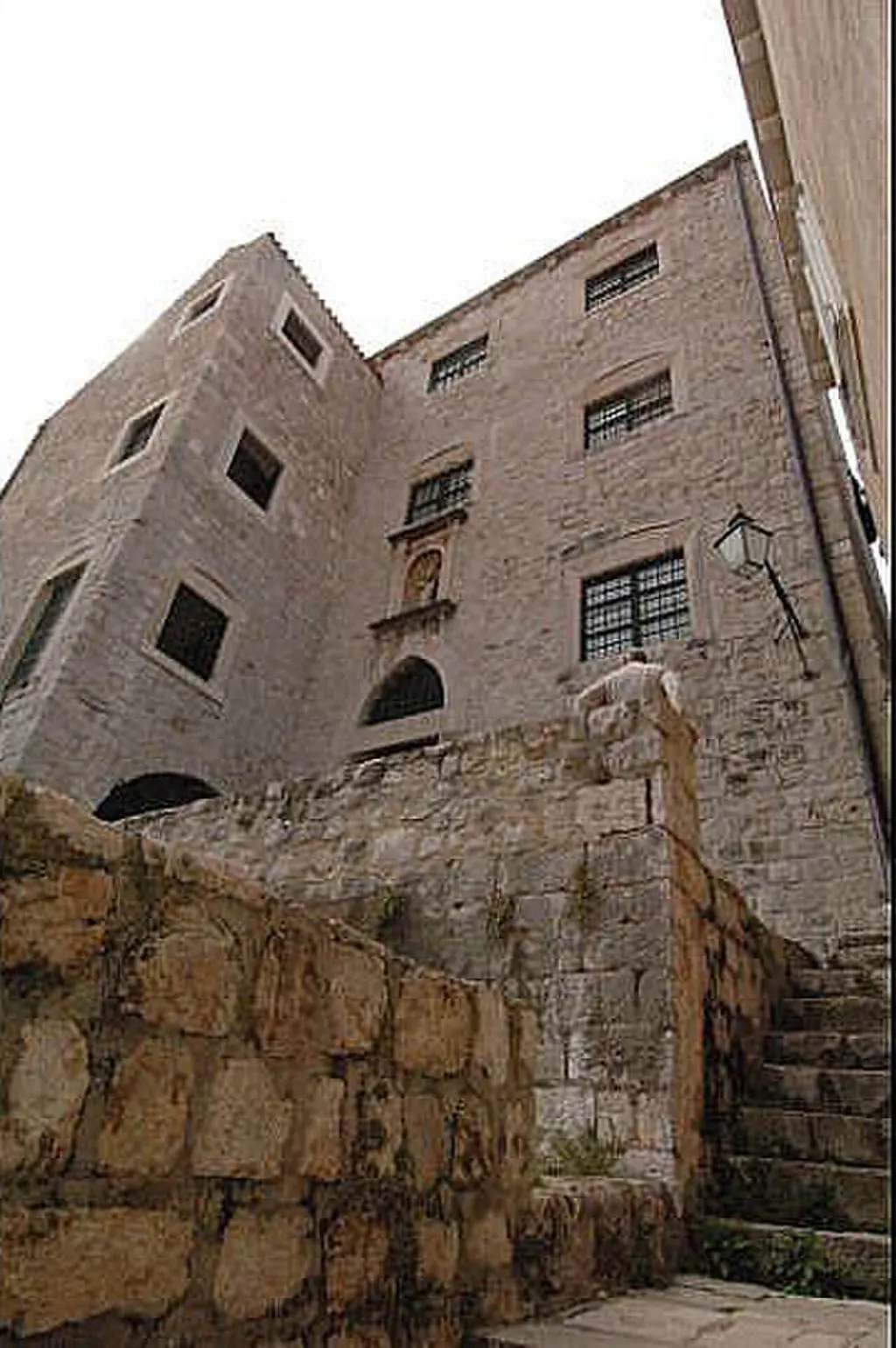
The present permanent display was opened in Kandelor on 2 February 1991, in the granary building of the Republic of Ragusa. The popular name Rupe derives from the underground storage pits for grain carved into the rock. The granary was built in 1590 as a three-storey building, with fifteen grain pits in the ground floor and drying spaces on the upper floors; it was severely damaged in the earthquake of 1667 and after restoration was converted into a two-storey building.
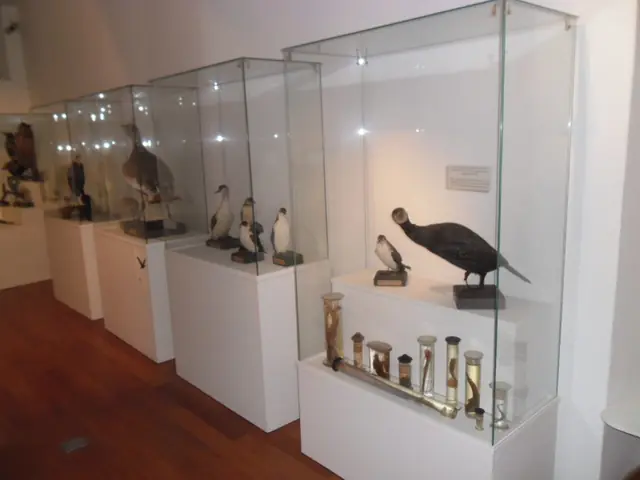
The holdings comprise more than ten thousand objects of the ethnographic heritage of the Dubrovnik region, of the Croatian people and of neighbouring peoples. The collections of folk costumes from the Dubrovnik littoral and the Elafiti (Elaphiti Islands), Konavle, Mljet, Lastovo, Pelješac, Korčula, the Rijeka dubrovačka and the Župa dubrovačka are particularly notable. On the ground floor the display shows the storage of grain in situ, and on the first and second floors the traditional economy and rural architecture of the Dubrovnik surroundings, along with festive costumes, among which are unique examples from the 19th century.
Highlights
- Rupe granary from 1590 with underground grain pits
- Folk costumes of Konavle, Elafiti, Mljet, Lastovo, Pelješac and Korčula
- More than ten thousand ethnographic objects
- Traditional economy and rural architecture of the Dubrovnik surroundings
- Guest exhibitions in the granary
Permanent exhibition
- Stalni postav Etnografskog muzeja u žitnici Rupe – The ground floor shows the storage of grain in situ, and the first and second floors show the traditional economy, rural architecture and festive costumes of the Dubrovnik region.
- Founded
- 1938
- Operated by
- Dubrovački muzeji
Admission & discounts
| Adults | €8 |
|---|---|
| Reduced | €5pupils and students |
| Children & teens | €5free up to age 6 · Children up to 7 enter free; pupils pay the reduced admission. |
| Students & apprentices | €5 |
| Families | €20Up to two adults with children up to 14. |
| Joint ticket for the museums and galleries of Dubrovnik (10 institutions) | €20Pupils and students €10, family (up to two adults with children up to 14) €45. Valid for 7 days from the first visit to any of the included museums and galleries. |
Free admission for children up to 7, residents of Dubrovnik-Neretva County, and members of ICOM and HMD; students of the University of Dubrovnik, RIT Croatia and Libertas International University in Dubrovnik enter free from the beginning of October to the end of June. Tickets at the cash desks of the Dubrovnik Museums can be paid by card only, via POS terminal. Admission to each museum is valid for a single visit.
Accessibility
The museum hasn’t published any information on this.
Kids & families
The museum hasn’t published any information on this.
Getting there & parking
The museum is in the Rupe granary in the old town of Dubrovnik, at Od Rupa 3.
Get directionsAmenities & dining
- Museum shop
Museum shop of the Dubrovnik Museums.
Events & venue rental
- Spaces for rent
The Dubrovnik Museums rent out museum spaces.
Inquiries & detailsPlan your visit
| Guided tours | yes |
|---|---|
| Good to know | Organised visits are available for groups and agencies (dumus.hr/hr/agencije). |
Museums nearby
All 18 museums in Dubrovnik All museums in Dubrovnik-Neretva County