Slovácké muzeum v Uherském Hradišti
Regional museum with a permanent exhibition of the folk culture of Slovácko in the building by Bohuslav Fuchs; it includes the Památník Velké Moravy (Great Moravia Memorial), Topolná and Vlčnov.
Have only individual sections read aloud
About the museum
The Slovácké muzeum opened on 1 June 1914 as the work of enthusiastic volunteers. Its first seat was in the former Jesuit college on Masaryk Square, and the core of the collection was pottery assembled by František Kretz. Initially it focused on ethnography and archaeology; fine art and history were added later.
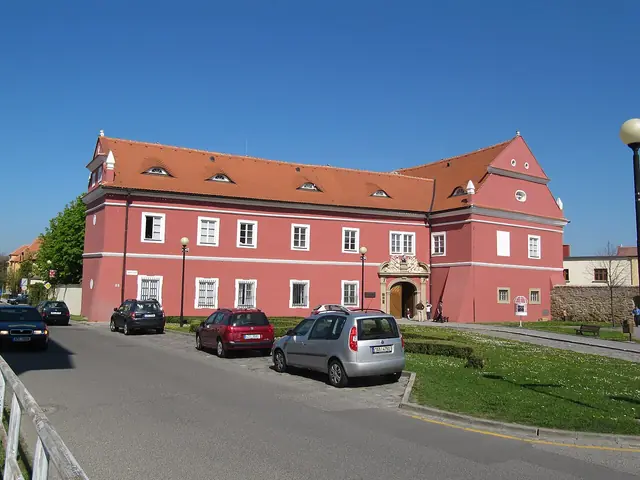
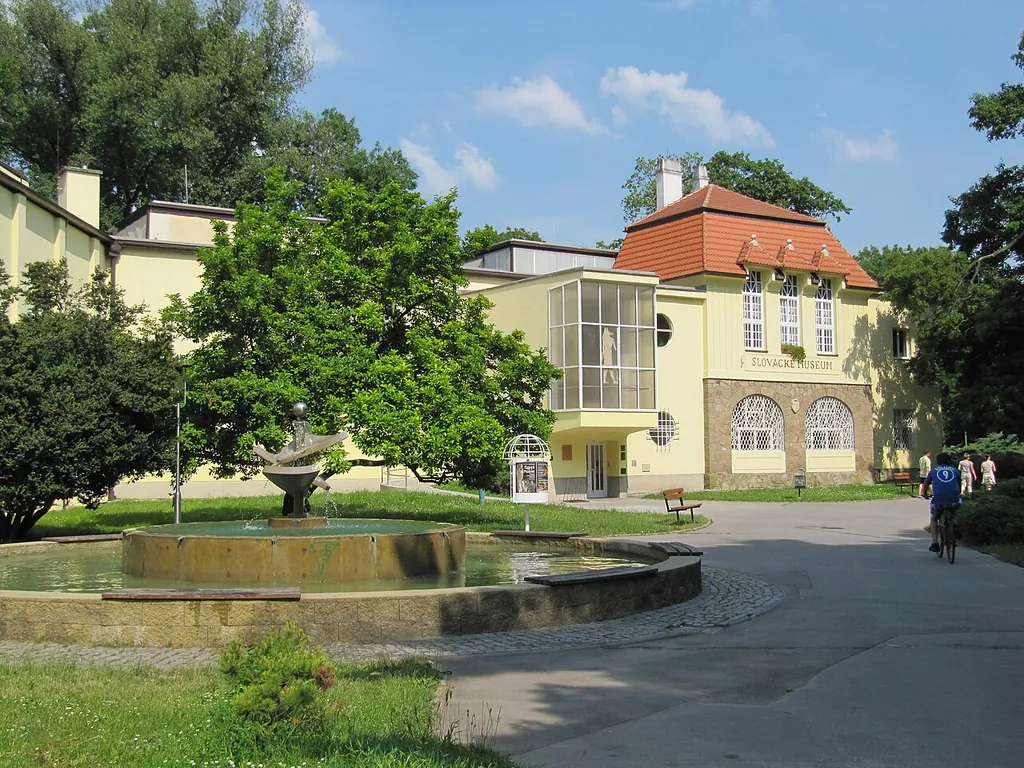
In 1929 the town bought the former inn building Na Střelnici in Smetanovy sady. After alterations the museum reopened there on 15 August 1931. In 1936–1937 a side building was added to a design by architect Bohuslav Fuchs, and in 1940–1943 a connecting wing, also designed by Fuchs, was added. The collections were installed there in spring 1943 and opened to the public that summer. During the Second World War a ministerial decree closed the museum in 1944; it reopened on 9 May 1946. The last major reconstruction took place in 1995–1997.
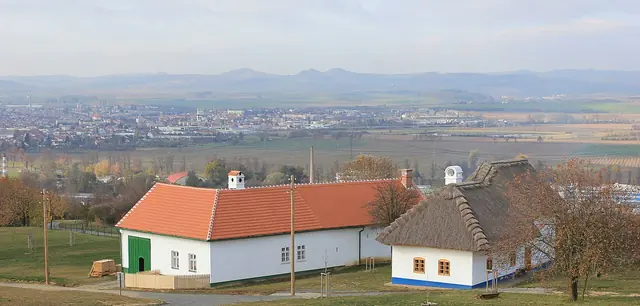
Today the museum cares for the collections of the whole Slovácko region. Besides the main building, which houses the permanent ethnographic exhibition, it includes the Památník Velké Moravy – Cyril and Methodius Centre in Staré Město, the Muzeum v přírodě Topolná open-air museum, the Muzeum lidových pálenic (Museum of Folk Distilleries) in Vlčnov and the Galerie Slováckého muzea. It also includes reconstructed foundations of Great Moravian churches at three archaeological sites.
Highlights
- permanent ethnographic exhibition on the folk culture of the region
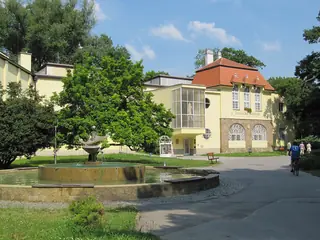
- main building from the 30s and 40s of the 20th century by architect Bohuslav Fuchs
- Great Moravia Memorial above the foundations of a Great Moravian church in Staré Město
- multimedia exhibition “Příběh Konstantina a Metoděje” (The Story of Constantine and Methodius)
- Topolná open-air museum and the Vlčnov Museum of Folk Distilleries
Permanent exhibitions
- Národopisná expozice Slovácko – The permanent exhibition in the main building shows the folk culture of the region: livelihoods, housing, crafts and folk costume.
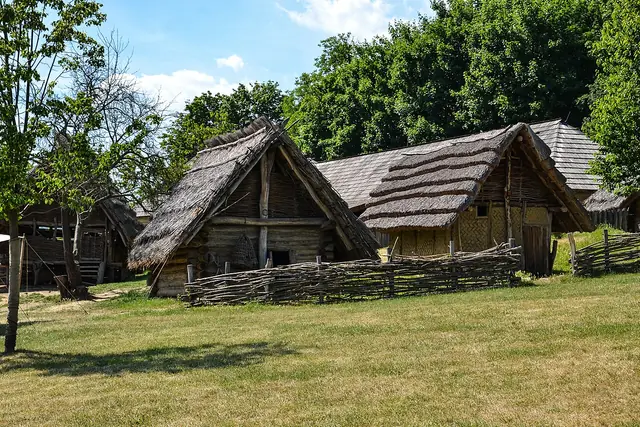
- Velká Morava – The exhibition in the Památník Velké Moravy presents life at the Great Moravian stronghold, using life-size figures and replicas of objects.
- Příběh Konstantina a Metoděje – The multimedia exhibition in the Cyril and Methodius Centre tells the story of the apostles of the Slavs and their work in Moravia.
- Founded
- 1914
Admission & discounts
| Adults | 100 Kč |
|---|---|
| Reduced | 70 Kčchildren aged 6–15, students, seniors from 65 |
| Children & teens | 70 Kčfree up to age 5 · children aged 6–15; children under 6 enter free |
| Seniors | 70 Kčseniors from 65 |
| Visitors with disabilities | freeholders of ZTP and ZTP/P cards enter free |
| Students & apprentices | 70 Kč |
| Groups | 35 Kč per personschool groups (children aged 6–15 and students); price per person |
| Families | 200 Kčfamily with children: 3 persons CZK 200, 4 persons CZK 250, 5 persons CZK 300 |
| Památník Velké Moravy – full admission | 120 Kč |
| Památník Velké Moravy – reduced admission | 80 Kčchildren aged 6–15, students, seniors from 65 |
| Památník Velké Moravy – family admission | 250 Kč3 persons CZK 250, 4 persons CZK 300, 5 persons CZK 350 |
| Muzeum v přírodě Topolná – full admission | 100 Kčby prior order only and in cash |
| Muzeum v přírodě Topolná – reduced admission | 70 Kč |
| Muzeum lidových pálenic ve Vlčnově – full admission | 100 Kčcash only |
| Muzeum lidových pálenic ve Vlčnově – reduced admission | 70 Kč |
| Guided tour of one exhibition for the public | 300 Kčon weekdays; price per exhibition |
| Annual pass for schools | 7,000 Kčunlimited entry to all museum buildings |
Free admission is also granted to tour guides from travel agencies, journalists, accompanying teachers, holders of AMG ČR, ICOM, ICOMOS and RG ČR cards, members of the Muzejní spolek v Uherském Hradišti, and members of the Slovak Zväz múzeí. Holders of the Senior Pas card and spa guests from Luhačovice also get a discount (the amount of the discount is not stated). Educational and family programmes and workshops have their own prices.
Accessibility
- Wheelchair accessible
- Elevator
- Accessible restroom
- Accessible parking: no information
- Service dogs welcome: no information
- Tactile models & exhibits: no information
- Sign language tours: no information
- Easy-to-read materials: no information
- Audio description: no information
The main building and the Památník Velké Moravy are step-free accessible by lift and have a toilet for people with disabilities. The Muzeum lidových pálenic is only partly accessible.
Kids & families
Great for kids & families
| Kids’ admission | free up to age 5 |
|---|---|
| Family ticket | 200 Kč · family with children: 3 persons CZK 200, 4 persons CZK 250, 5 persons CZK 300 |
- Family tours & workshops
The museum runs educational and family programmes and workshops for children, for example the afternoon workshops “Zvídálkové, vzhůru do muzea!”. A family ticket is available for 3 to 5 persons; children under 6 enter free.
Getting there & parking
The museum hasn’t published any information on this.
Amenities & dining
- Museum shop
The ticket desks sell publications, folk craft products, recordings of folk music and souvenirs; there is also an online shop.
Events & venue rental
- Spaces for rent
Up to 60 guests.
The lecture hall at Štefánikova 1285 in Uherské Hradiště is available for hire (24 seats at tables or 60 seats in rows, step-free access); the main building, the Galerie Slováckého muzea and the Klub Slováckého muzea can also be hired.
Inquiries & detailsPlan your visit
| Guided tours | yes |
|---|---|
| School programs | yes |
| Good to know | For schools and groups the museum offers guided tours of the exhibitions, walks around the town and a tour of the exhibition on the Uherské Hradiště Prison. Educational programmes are charged on top of admission (CZK 25 per pupil, CZK 30 for the prison); bookings are taken by the museum's educators. |