From February 7, 2027
Sammlung sichten
Exhibition series showing the museum's collection from changing perspectives; it opens with the artist Günther Thiersch (1914–1986), with selected works from his oeuvre of almost 800 pieces.
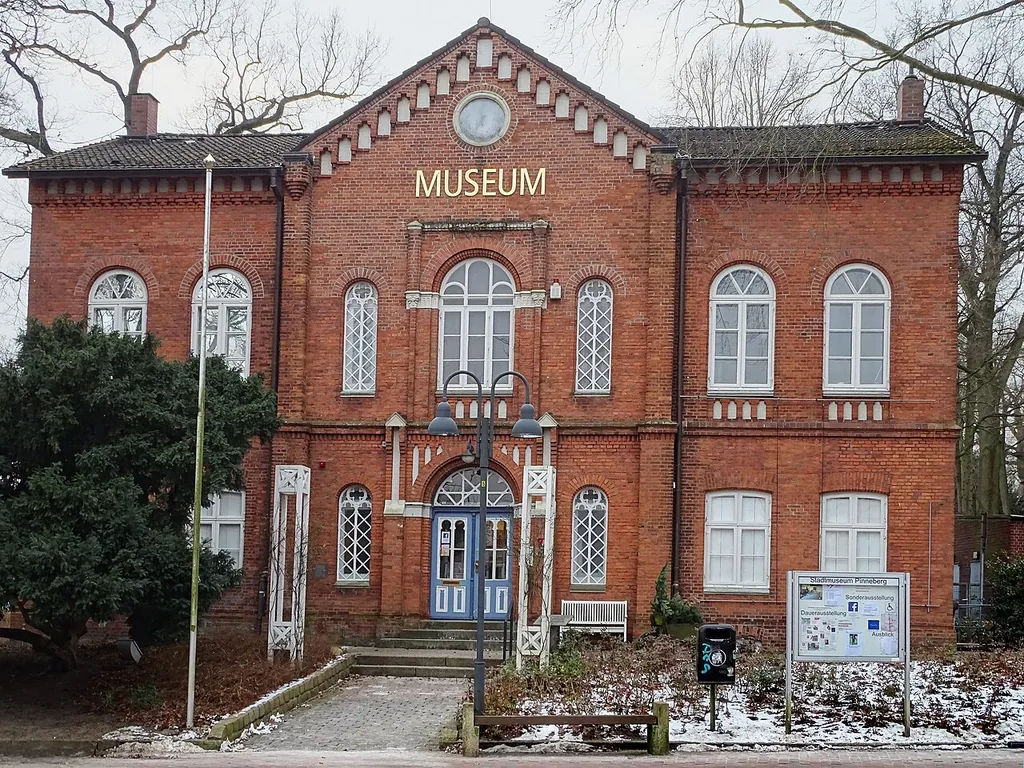
City museum in the former district court building from 1855, with a permanent exhibition on Pinneberg's history and the ILO engine works; free admission.
From February 7, 2027
Exhibition series showing the museum's collection from changing perspectives; it opens with the artist Günther Thiersch (1914–1986), with selected works from his oeuvre of almost 800 pieces.
October 16, 2026 – November 22, 2026
Photographic works by fotosofin gagel and Valérie Wagner, who ask how stories can be told with images today, between documentary reality, memory and digital construction.
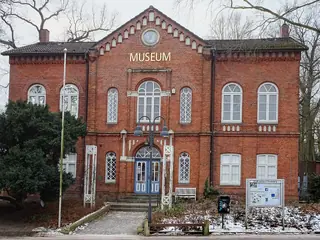
The brick building at Dingstätte 25 was built in 1855 as an office building for the Landdrostei and housed the district court. After the courts moved out, the district tax office moved in in 1908, the district farmers' association in 1933, and from 1935 to 1945 the NSDAP. Later various offices used the building; from 1973 to 1984 it served as a temporary youth center, after which it stood empty and was renovated.
The city museum was founded in 1985 and has been housed in the former district court since 1995. The City of Pinneberg is the sponsor; the house sees itself as a place of encounter and exchange. In 2017 it received certification from the Museumsberatung Schleswig-Holstein, which was renewed in 2022.
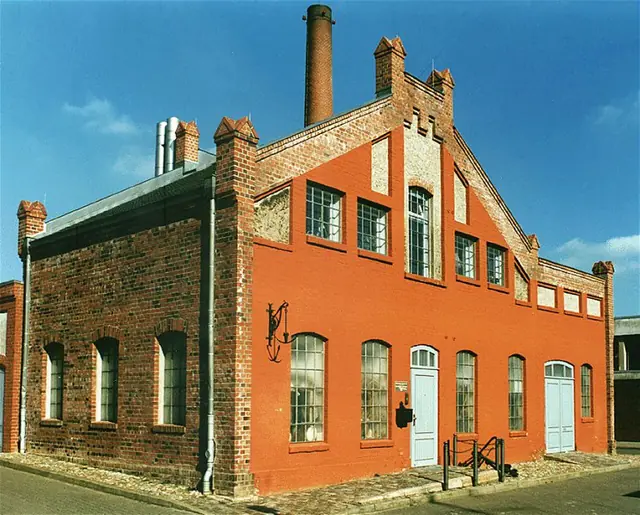
The permanent exhibition on the second floor is divided into five chapters: prehistory and early history up to the Weimar Republic, the collection of the painting dentist Rudolf Grothkop, Pinneberg under National Socialism, the collection of the pharmacist and soil scientist Johannes Görbing, and the history of the ILO engine works. On the ground floor the museum shows changing exhibitions. The house also looks after special holdings and offers digital programs, city walks, and programs for day-care centers, schools and families.
Admission is free.
There is a donation box at the entrance.
Historic building: the main entrance has stairs; a ramp at the right-hand side entrance leads to the ground floor with the special exhibition. The permanent exhibition on the second floor can only be reached by stairs. Seating in the special exhibition; folding stools available to borrow.
Great for kids & families
A children's area right at the entrance for puzzles, reading and painting; the special exhibitions have hands-on stations. There are also workshops and family activities, such as the open-day action of "Die Sendung mit der Maus" on engines (from age 5).
Bismarckstraße · 5-min walk
S-Bahn S3 and regional trains RE6, RE7, RE70, RB61 and RB71 to Pinneberg station, then about 10 minutes on foot. Bus stops "Bismarckstraße" (lines 185, 285, 594, 6663) and "Rübekamp" (lines 395, 594, X95), each about a 5-minute walk.
Parking available · 5-min walk to the entrance
The nearest parking spaces are "Marktplatz" and "Unter der Hochbrücke" (about a 5-minute walk). There are two free accessible parking spaces next to the museum, accessed via Rübekamp.
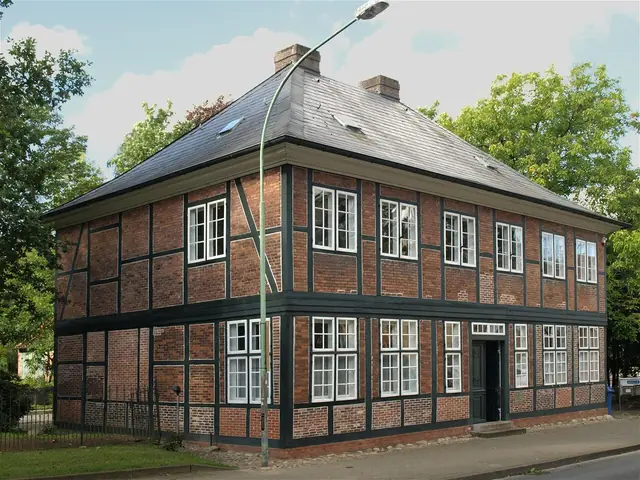
The museum is in the city center next to the Landdrostei, diagonally across from the town hall.
Get directionsThe workshop room on the second floor is an open lounge during opening hours.
The museum hasn’t published any information on this.
| Guided tours | yes |
|---|---|
| School programs | yes |
| Good to know | Exhibition tours for day-care centers, schools and groups; classes and kindergarten groups can also tour on their own after registering. City walks with the "Obernachtwächter Otto Klafack" (Peter Russ) cost €10 per person and are booked by phone. |