Archaeological Museum of Kolona Aigina
The first “national museum” of Greece, at the archaeological site of Kolona, with finds from the prehistoric to the Roman period.
Have only individual sections read aloud
About the museum
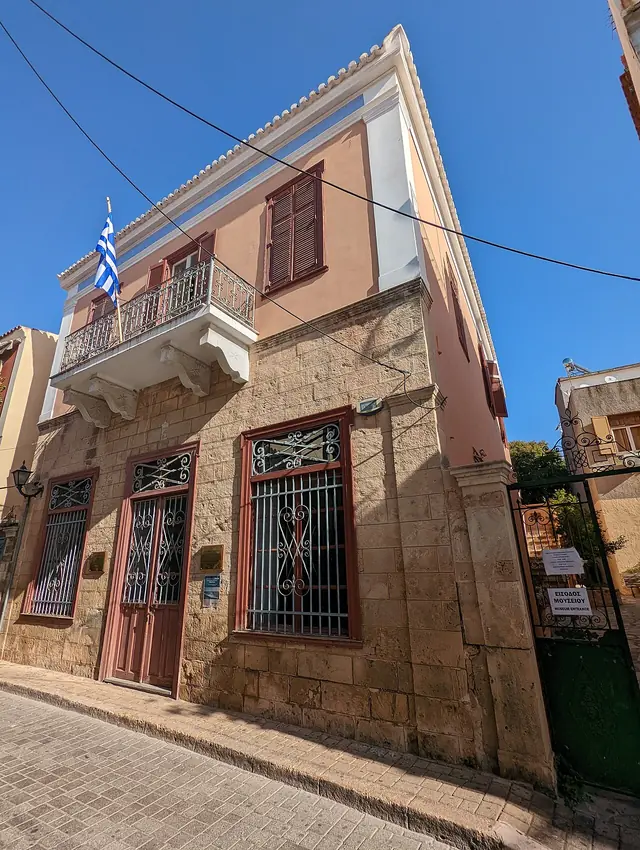
The Archaeological Museum of Aegina is considered the first “national museum” of Greece. It was founded on 21 October 1829 by Ioannis Kapodistrias, with the Corfiot scholar Andreas Mustoxidis as its first director. It was housed in the Orphanage of Aegina, the first public building erected on the island after Kapodistrias' arrival, and there antiquities from various areas of free Greece were gathered, mainly from Rheneia. In 1837 most of the works were transferred to Athens.
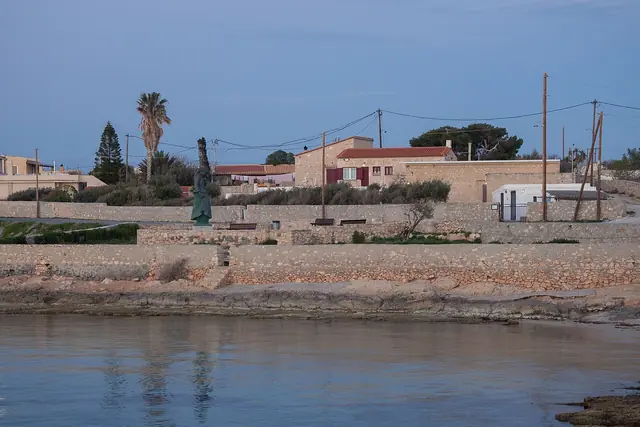
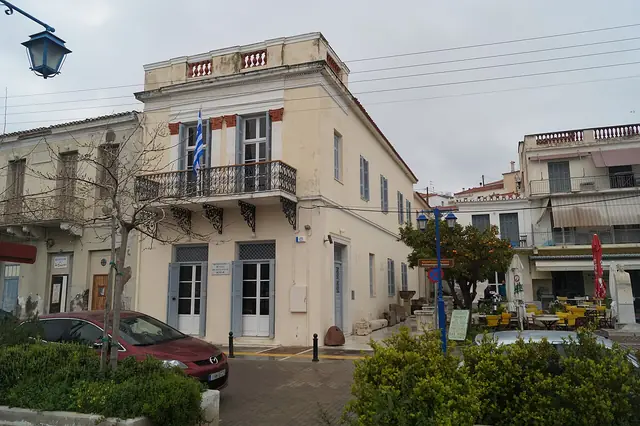
The local museum was founded in 1898 and for years was housed in the Government House and later in the central school, the Kapodistrian building, where it remained until 1981, when the building was damaged by an earthquake. Since then the collection, enriched with finds from more recent excavations, has been housed in a building on the archaeological site of Kolona, a donation of the Bavarian Association of Friends of the Aegina Museum. The present exhibition is temporary, because the collection is to be moved to the Kapodistrian Orphanage, which is being renovated to house the Diachronic Museum of Aegina.
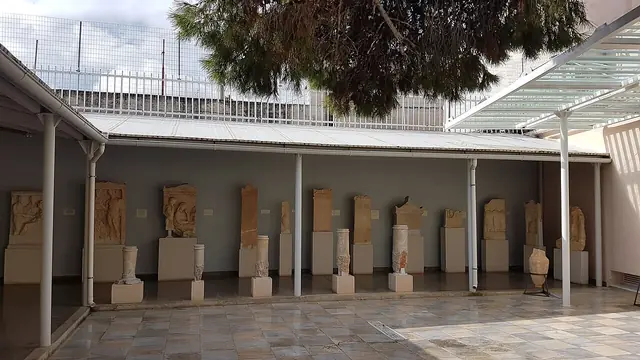
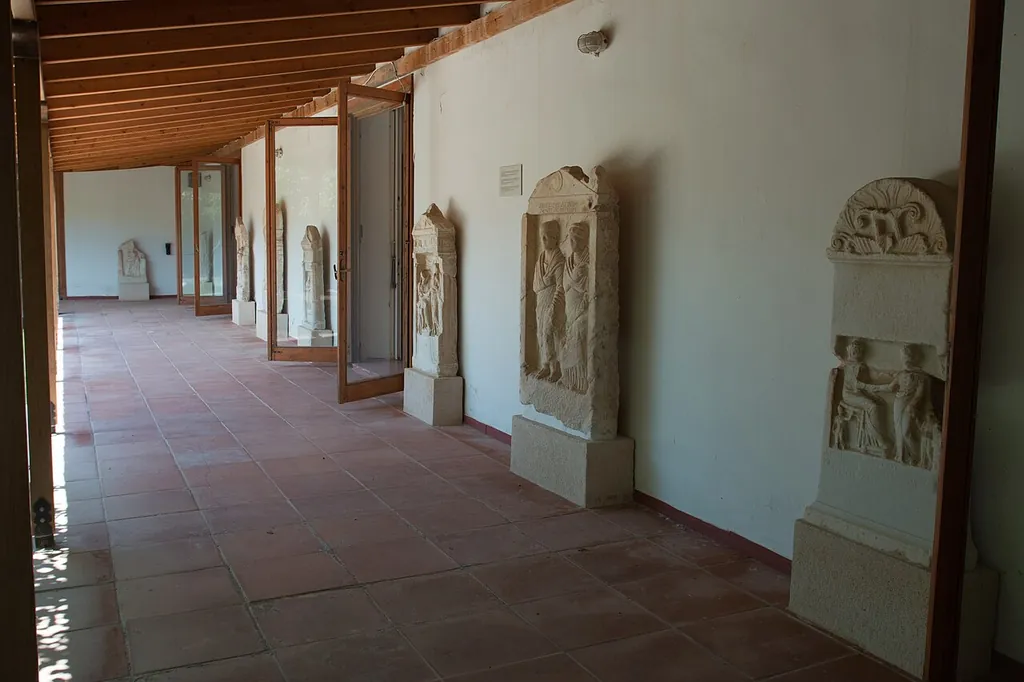
The Kolona museum is a single-storey stone building with a tiled roof and a courtyard in the centre, surrounded by a wooden colonnade. The exhibition occupies the wing opposite the entrance, with three rooms, and follows chronological order from the prehistoric period to the Roman period.
Highlights
- The first “national museum” of Greece (1829)
- Prehistoric pottery from the Neolithic to the Mycenaean period
- Aeginetan sculpture and two sphinxes of the sanctuary
- Fragments from the pediments of the Temple of Aphaia
- Part of the Kapodistrian collection of reliefs
Permanent exhibition
- Μόνιμη έκθεση του Αρχαιολογικού Μουσείου – Pottery from the Neolithic to the Mycenaean period, vessels and sculpture of the Geometric and Archaic periods, fragments from the pediments of the Temple of Aphaia and part of the Kapodistrian collection of reliefs.
- Founded
- 1829
- Operated by
- Υπουργείο Πολιτισμού – Εφορεία Αρχαιοτήτων Πειραιώς και Νήσων
Admission & discounts
| Adults | €10 |
|---|---|
| Reduced | €5 |
Free admission: 6 March, 18 April, 18 May, the last weekend of September and 28 October.
The combined ticket is valid for the museum and the archaeological site of Kolona.
Accessibility
- Wheelchair accessible: no information
- Elevator: no information
- Accessible restroom: no information
- Accessible parking: no information
- Service dogs welcome: no information
- Tactile models & exhibits: no information
- Sign language tours: no information
- Easy-to-read materials: no information
- Audio description: no information
The entrance of the museum has an access ramp.
Kids & families
The museum hasn’t published any information on this.
Getting there & parking
By public transit
By ferry or hydrofoil from the port of Piraeus; from the port of Aegina the museum is about 5 minutes on foot.
The journey from Piraeus is made by ferry or hydrofoil.
Get directionsAmenities & dining
- Museum shop
The shop sells books, casts and various other items.
Events & venue rental
The museum hasn’t published any information on this.
Plan your visit
| Good to know | The museum is located within the archaeological site of Kolona, a short distance from the port of Aegina. |
|---|