Archaeological Museum of Philippi
Museum within the archaeological site of Philippi, with finds from prehistory to the Christian settlement and its abandonment.
Have only individual sections read aloud
About the museum
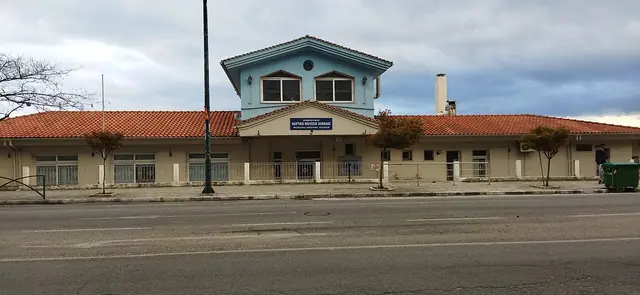
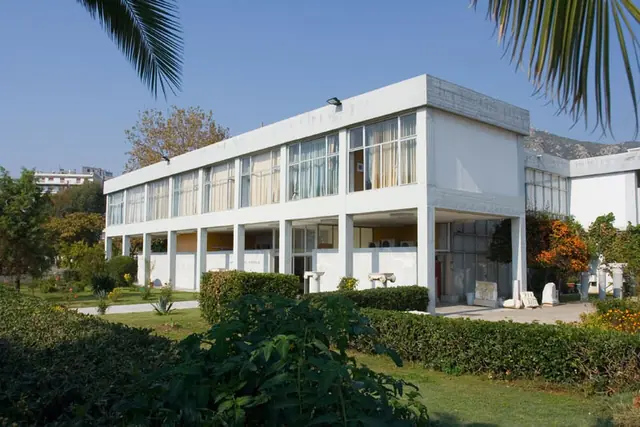
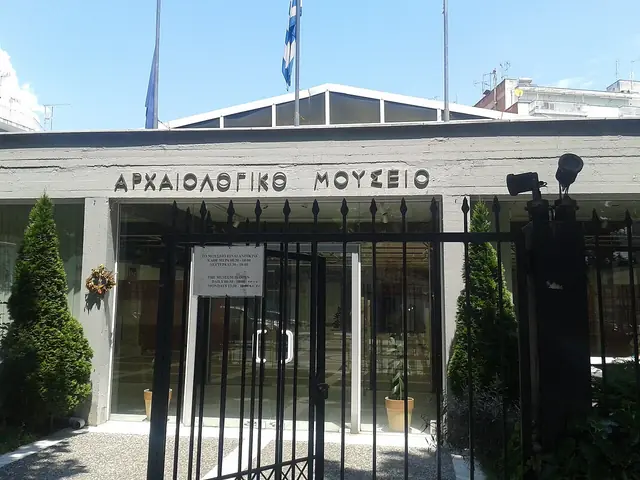
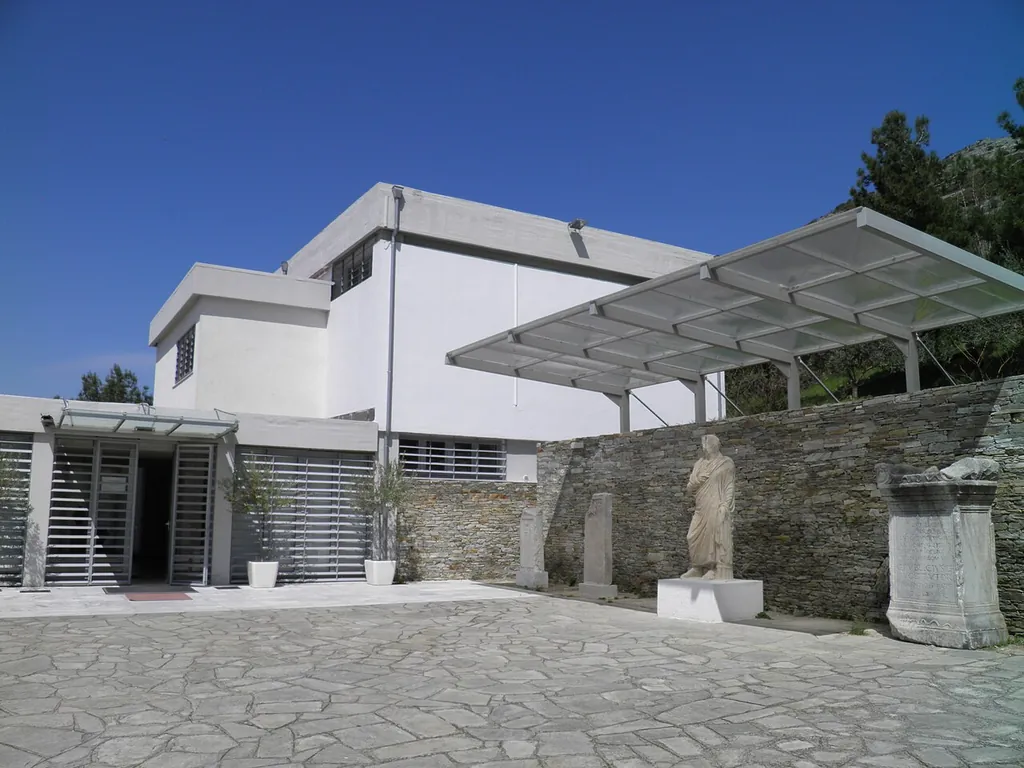
The Archaeological Museum of Philippi is located within the site of the same name, near Krinides, and is housed in a building by the architects Ioannis Triantafyllidis and Dimitrios Fatouros. It holds the finds from the excavations of the ancient city, which is associated with figures such as Philip II, Octavian Augustus and the Apostle Paul.
The city was founded around 360 BC by settlers from Thasos under the name Krinides, and in 356 BC Philip II captured it and gave it his name. After the battle of 42 BC it became a Roman colony, and in 49 or 50 AD the Apostle Paul founded here the first Christian church on European soil.
On the ground floor, finds from the prehistoric to the Roman period are displayed, including naturalistic figurines from the Neolithic settlement of Dikili Tash, grave stelae of the Hellenistic period and marble sculptures from the Roman forum and theatre. The first floor is dedicated to Christian Philippi, from its heyday in the early Christian period to its abandonment at the end of the 14th century, with inscriptions, mosaics and architectural members from the great basilicas.
Highlights
- Neolithic figurines from the Dikili Tash settlement
- Grave stelae of the Hellenistic period
- Sculptures from the Roman forum and theatre
- Inscriptions and architectural members from the early Christian basilicas
Permanent exhibitions
- Ισόγειο: από την προϊστορία έως τη ρωμαϊκή εποχή – Neolithic figurines, Hellenistic grave stelae and Roman sculptures from the forum and theatre of Philippi.
- Α΄ όροφος: οι χριστιανικοί Φίλιπποι – Inscriptions, mosaics and architectural members from the early Christian basilicas, up to the abandonment of the city.
- Founded
- 1961
Admission & discounts
| Adults | €10 |
|---|---|
| Reduced | €5Beneficiaries under the joint ministerial decision 117624/2024 (Government Gazette 1968/B/29-3-2024), including, among others, EU citizens over 65 from 1 October to 31 May, accompanying parents on educational visits by primary schools from the EU and the EEA, and accompanying teachers on school visits from countries outside the EU. |
Free admission: 6 March, 18 April, 18 May, the last weekend of September, 28 October and every first Sunday of the month from 1 November to 31 March
The price refers to admission to the museum.
Accessibility
- Wheelchair accessible
- Elevator
- Accessible restroom
- Accessible parking: no information
- Service dogs welcome: no information
- Tactile models & exhibits: no information
- Sign language tours: no information
- Easy-to-read materials: no information
- Audio description: no information
The building has a ramp, a lift and a toilet for people with disabilities.
Kids & families
The museum hasn’t published any information on this.
Getting there & parking
By public transit
Κρηνίδες – Αρχαίο Θέατρο
Intercity bus (KTEL) from Kavala: stop “Krinides – Ancient Theatre”. Intercity bus (KTEL) from Drama: stop “Lydia”.
By car
Parking available
Parking at the eastern entrance (ancient theatre) and at the start of the road to the museum from the west, in Lydia.
By car about 27 minutes from Kavala and 25 minutes from Drama. The eastern access is via the Kavala–Drama provincial road.
Get directionsAmenities & dining
- Café
- Museum shop
The ticket office is in a separate building in front of the eastern entrance to the site.
Events & venue rental
The museum hasn’t published any information on this.
Plan your visit
| School programs | yes |
|---|