Λαογραφικό Μουσείο Πετροκερασών
The folklore museum of Petrokerasa houses around 750 objects from the village: costumes, textiles, manuscripts and tools of traditional trades.
Have only individual sections read aloud
About the museum
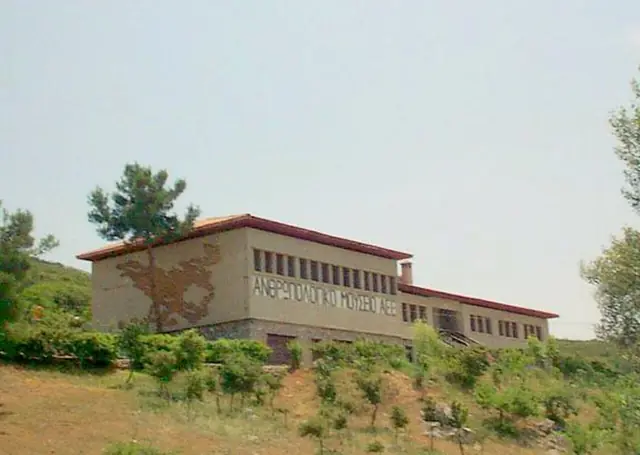
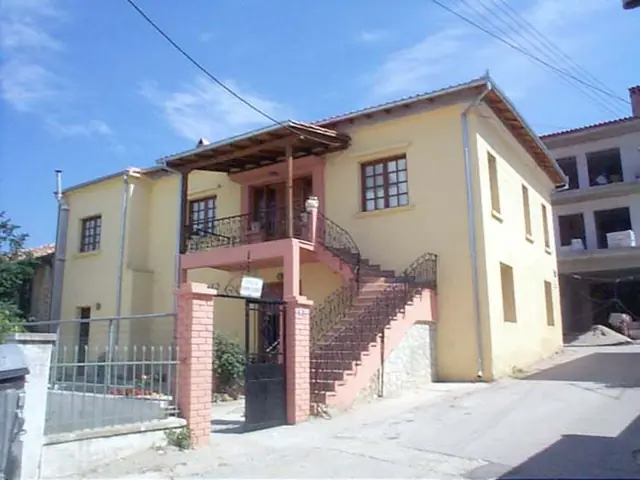
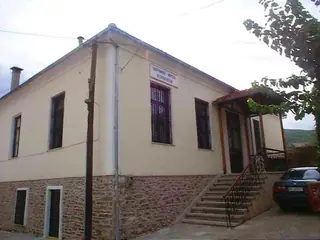
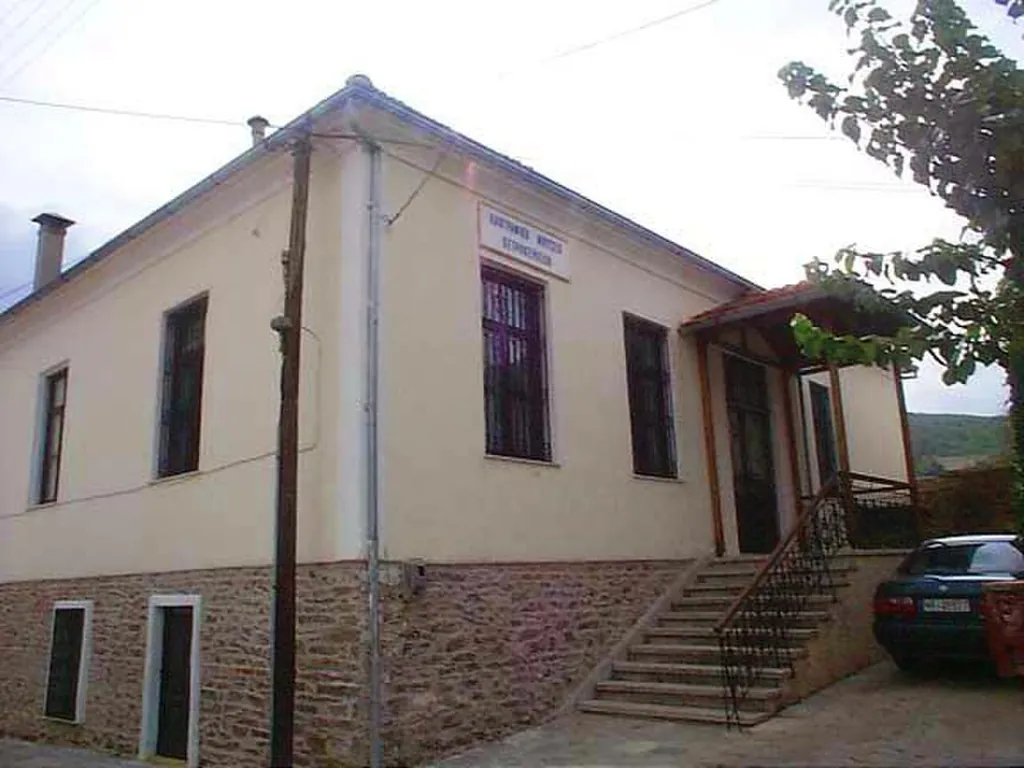
The Laografiko Mouseio Petrokerason was founded in 1976 by decision of the community council, to preserve the village’s folk tradition. At first it operated in a room next to the community office. From spring 1987 it has been housed in three small halls of the primary school, opposite the village church.
The collections number about 750 objects, which come from donations by residents. In the first hall are weapons, a large Byzantine pithos (storage jar) and 18th-century documents that give the village the right to host the Timio Xylo (the True Cross) on Palm Sunday. The second hall has a complete loom and textiles.
The third hall presents men’s and women’s costumes, old church books, codices and manuscripts. The fourth section contains tools of traditional trades, such as pottery, carpentry, hunting, beekeeping, viticulture and farming, including wooden and iron ploughs.
Highlights
- About 750 objects donated by residents
- 18th-century documents on the Timio Xylo
- Complete loom and textiles
- Men’s and women’s costumes
- Old church books and manuscripts
- Tools of traditional trades
Permanent exhibition
- Μόνιμη έκθεση του Λαογραφικού Μουσείου – Objects from the village in four sections: weapons and documents, loom and textiles, costumes and manuscripts, tools of traditional trades.
- Founded
- 1976
Admission & discounts
The museum hasn’t published any information on this.
Accessibility
The museum hasn’t published any information on this.
Kids & families
The museum hasn’t published any information on this.
Getting there & parking
The museum hasn’t published any information on this.
Amenities & dining
The museum hasn’t published any information on this.
Events & venue rental
The museum hasn’t published any information on this.
Plan your visit
| Good to know | The museum is located in the primary school, opposite the village church. |
|---|