Budakeszi Helytörténeti Gyűjtemény és Tájház
The renovated peasant house in Budakeszi presents local Swabian customs and furniture, and is also a community space that keeps Swabian traditions alive.
Have only individual sections read aloud
About the museum
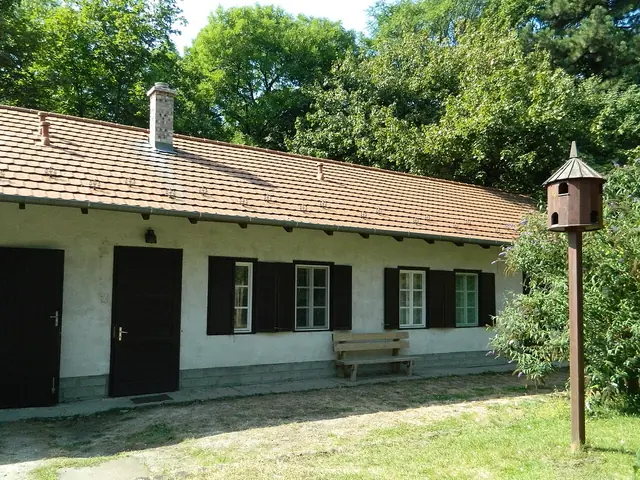
The building on Fő utca is the first wing of a peasant house built in the 19th century. Until the end of the 1970s it was a residential house; then a museum of the workers’ movement was set up in it, and after the change of regime a music school operated within its walls. The rebuilding of the decades had completely lost its original character.
From 2017, a multi-stage reconstruction took place with the support of the Kubinyi Ágoston Program. After the renovation a new permanent exhibition and a temporary exhibition hall opened.
The collection presents local Swabian customs and furniture. The village heritage house also functions as a community space: with the Budakeszi Helytörténeti Egyesület (Budakeszi Local History Association) it hosts programmes that keep Swabian traditions alive, including creative, gastronomic, educational and charity events. The photo and document archive also helps family researchers and local historians.
Highlights
- Permanent exhibition presenting Swabian customs and furniture
- Temporary exhibition hall
- Photo and document archive for local historians and family researchers
- Swabian heritage community programmes
Permanent exhibition
- Sváb szokások és bútorok – The local Swabian traditions, customs and furniture, presented in the renovated peasant house.
Admission & discounts
The museum hasn’t published any information on this.
Accessibility
The museum hasn’t published any information on this.
Kids & families
The museum hasn’t published any information on this.
Getting there & parking
The museum hasn’t published any information on this.
Amenities & dining
The museum hasn’t published any information on this.
Events & venue rental
The museum hasn’t published any information on this.