Area archeologica di Antas
Punic-Roman sanctuary dedicated to Sardus Pater in the Antas valley, with an Ionic colonnade, Nuragic remains and Roman quarries.
Have only individual sections read aloud
About the museum
The Antas valley, at the foot of the limestone bastion of Punta Conca S’Omu in the territory of Fluminimaggiore, was a place of worship already in the Nuragic period, around the 9th century BC. At the end of the Iron Age the Carthaginians settled there and dedicated the sanctuary to the god Sid Addir; after the Roman conquest in the mid-3rd century BC the deity was identified with the Sardinian god Sardus Pater Babai.
The temple visible today was built in Roman times at the behest of Augustus and restored under Caracalla between 213 and 217 AD, as recorded by the inscription on the pediment. The pronaos has columns about eight metres high with Ionic capitals. Beneath the building lie the remains of an older Carthaginian place of worship, dating to around 500 BC. General Alberto La Marmora discovered the monument in 1836, and the temple was restored and largely rebuilt in 1967.
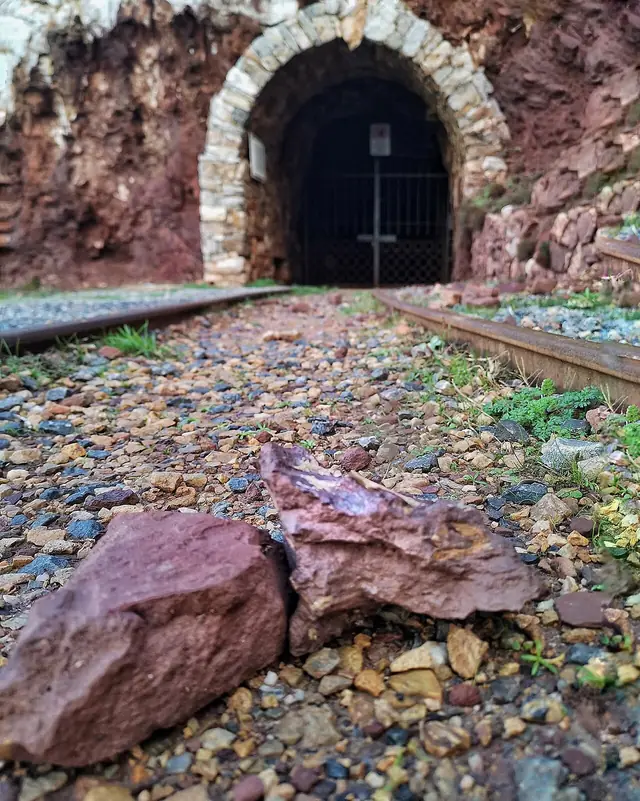
The area also includes a small settlement and a burial area. A path through the holm oak wood leads to the Roman quarries from which the limestone blocks were extracted, while nearby is the Su Mannau cave, linked to the cult of water. The area's rich lead and iron deposits suggest that the valley was home to the Roman mining town of Metalla.
Highlights
- Punic-Roman temple of Sardus Pater Babai
- Pronaos with Ionic columns about eight metres high
- Remains of the Carthaginian sanctuary beneath the temple
- Path through the holm oak wood to the Roman quarries
- Tactile panel with text in Braille
Permanent exhibition
- Tempio punico-romano e valle di Antas – Visit to the temple of Sardus Pater, the remains of the Carthaginian sanctuary beneath it and the path to the Roman quarries.
- Operated by
- START-UNO (gestione del sito)
Admission & discounts
| Adults | €6 |
|---|---|
| Reduced | €5groups of more than 25 people and persons with a disability of less than 100% |
| Children & teens | €4free up to age 5 · Rate for children and school groups aged 6 to 13. |
| Seniors | –Free admission for over-80s. |
| Visitors with disabilities | freeFree admission for people with a 100% disability. |
| Groups (26+ people) | €5 per personGroups of more than 25 people. |
| Combined ticket for the Temple of Antas and the Antico mulino ad acqua Licheri | €7 |
| Guided tour in Italian | €3€2 per person for groups of more than 25 people; free for children up to 13 and for schools. |
Guided tours in Sardinian or other languages take place by reservation, at a rate of €120 to €150 depending on the number of participants. Tickets can also be purchased online.
Accessibility
- Partially wheelchair accessible
- Elevator: no information
- Accessible restroom: no information
- Accessible parking: no information
- Service dogs welcome
- Tactile models & exhibits
- Sign language tours: no information
- Easy-to-read materials: no information
- Audio description: no information
The Punic-Roman temple can be reached with wheelchairs and pushchairs, whereas the trekking paths cannot. A tactile bas-relief panel, with high-contrast text and Braille, is designed for blind and visually impaired visitors. Entry with animals is permitted.
Kids & families
| Kids’ admission | free up to age 5 |
|---|
- Stroller-friendly
Guided tours in Italian are free for children up to 13; the site is accessible with pushchairs (trekking paths excluded).
Getting there & parking
By car
Parking available
Parking at the archaeological site, about 3 km from the junction on the SS 126 (signposted).
The temple is about ten kilometres from Fluminimaggiore and a little over half an hour's drive from Iglesias.
Get directionsAmenities & dining
- Café
- Museum shop
Parking area with a snack kiosk, ticket office and bookshop.
Events & venue rental
The museum hasn’t published any information on this.
Plan your visit
| Guided tours | yes |
|---|---|
| School programs | yes |
| Good to know | Free historical and archaeological descriptions in seven languages and the InnovAntas app in Italian and English (also available on tablets at the ticket office). Bilingual panels and signs on the valley's flora and fauna. |