CeSQ – Centro Studi sul Quaternario
Small museum of prehistory and protohistory of the Upper Tiber Valley with finds, dioramas and a tactile route; visits by reservation only.
Have only individual sections read aloud
About the museum
The Centro Studi sul Quaternario (CeSQ) was established on 3 March 2005 in Sansepolcro as a non-profit association and is now a volunteer organisation. It works under an agreement with the University of Siena, with which it carries out research and excavations in the Upper Tiber Valley, for example at the Bronze Age settlement of Gorgo del Ciliegio and at the large Iron Age centre of Trebbio.
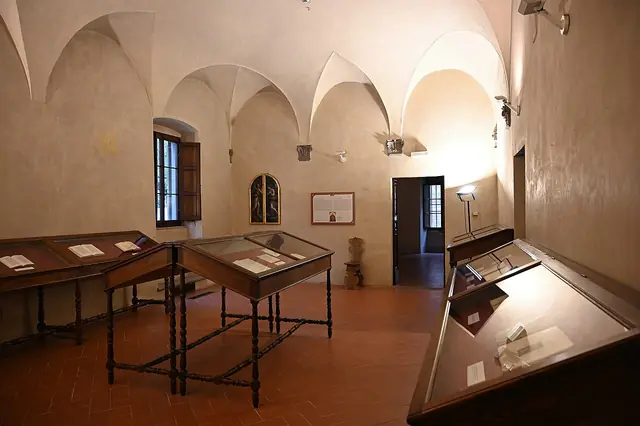
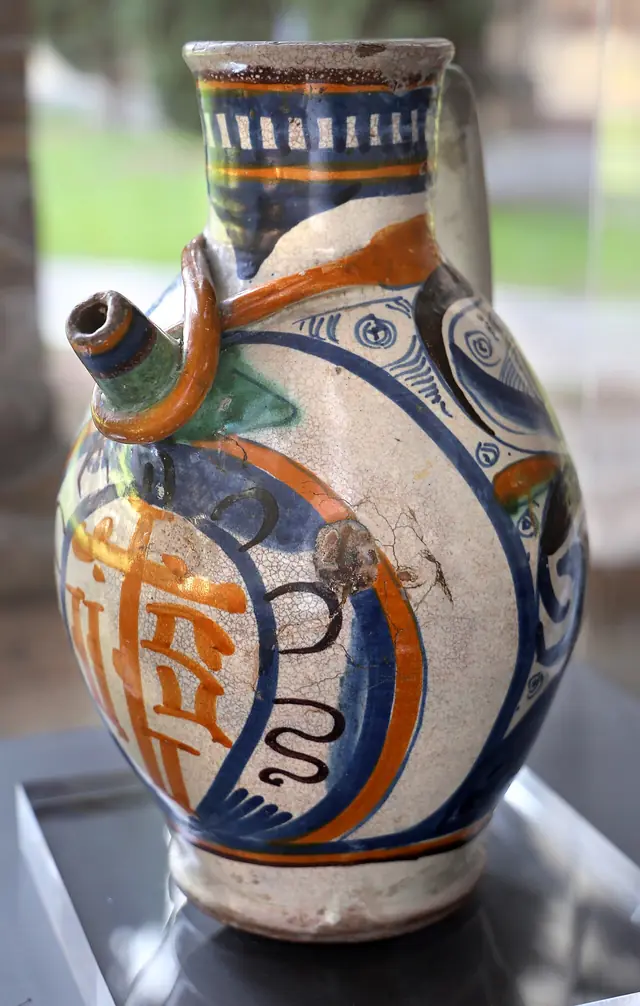
The centre’s exhibition rooms, open to the public, present this research. The prehistory room displays Pleistocene plant and animal fossils from the Fighille quarry, stone tools of early humans, a 1:32 scale diorama of a Neanderthal camp and a tactile route from the Palaeolithic to the Metal Age. The protohistory room presents finds from the settlement of Gorgo del Ciliegio, from Trebbio and other Etruscan sites, together with a full-scale reconstruction of a 7th-century BC pottery kiln.
CeSQ pays particular attention to accessibility: tactile models and maps for blind people, Braille captions and educational workshops for schools complete the visit.
Highlights
- Pleistocene plant fossils from the Fighille quarry
- 1:32 scale diorama of a Neanderthal camp
- Tactile route from the Palaeolithic to the Metal Age, with Braille captions
- Finds from the Bronze Age settlement of Gorgo del Ciliegio
- Full-scale reconstruction of an Etruscan kiln from Trebbio
Permanent exhibitions
- Sala preistorica «Ottavio Dominici» – Stratigraphy, Pleistocene fossils, early human tools, a Neanderthal diorama and a tactile route.
- Sala protostorica «Fernando Mugnai» – Finds from the Bronze Age settlement of Gorgo del Ciliegio and the Iron Age settlement of Trebbio, with a kiln reconstruction.
- Founded
- 2005
- Operated by
- CeSQ – Centro Studi sul Quaternario odv
Admission & discounts
The museum hasn’t published any information on this.
Accessibility
- Wheelchair accessible
- Elevator: no information
- Accessible restroom: no information
- Accessible parking: no information
- Service dogs welcome: no information
- Tactile models & exhibits
- Sign language tours: no information
- Easy-to-read materials: no information
- Audio description: no information
The exhibition rooms are free of architectural barriers and have facilities suitable for people with disabilities too. The centre offers a tactile route with Braille captions and tactile models for blind and partially sighted people; staff are trained to support visually impaired visitors.
Kids & families
- Family tours & workshops
- Hands-on stations
Educational projects and hands-on activities for primary and lower secondary schools, with models and reconstructions to touch.
Getting there & parking
The museum hasn’t published any information on this.
Amenities & dining
- Museum shop
Handmade gifts inspired by the finds from the excavations, available on site.
Events & venue rental
The museum hasn’t published any information on this.
Plan your visit
| Guided tours | yes |
|---|---|
| School programs | yes |
| Good to know | Guided tours, lessons and educational workshops on prehistory, archaeology and natural sciences for schools, by reservation. |