Museo archeologico di Santa Scolastica
Archaeological museum of Bari housed in the former Benedictine monastery of Santa Scolastica, with a route from the modern period back to the prehistory of the Terra di Bari.
Have only individual sections read aloud
About the museum
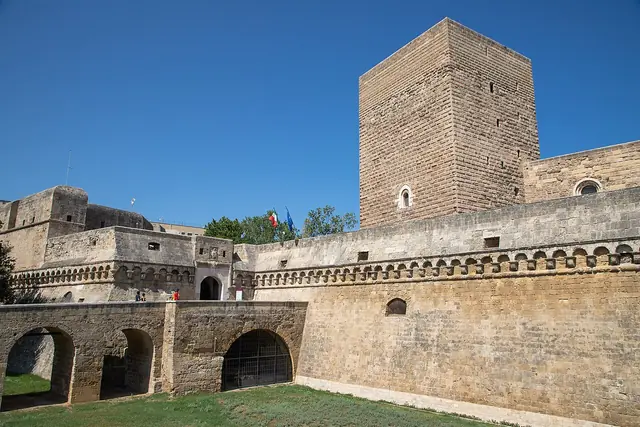
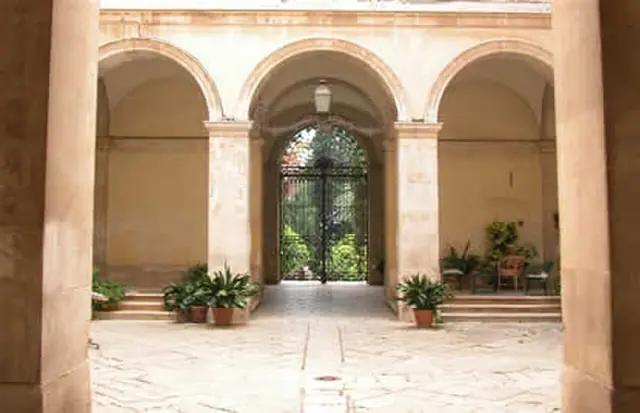
The museum is housed in the ancient Benedictine monastery of Santa Scolastica in Bari. The foundation of the monastery is traditionally attributed to the Frankish king Pepin in 755, but the first documentary mention dates from 1102. Over the centuries the complex was expanded under the abbesses and, in the sixteenth century, was given a defensive bastion on its north-eastern side.
Between the nineteenth and twentieth centuries the convent changed use several times, housing among other things a lyceum and a hospital, until it was converted into an almshouse and later abandoned. From 1971 the complex was restored; it passed into the ownership of the University of Bari and was conceived from the outset as the seat of the collections of the Museo archeologico della Provincia di Bari. A new restoration begun in 2011 prepared the spaces for museum use.
The exhibition route runs backwards in time, from the nineteenth century through the Middle Ages to prehistory. It includes sections on the prehistory and protohistory of the Terra di Bari, on the Iapygians and the Greeks, on the Peucetians, on the Polese collection (around 2,000 finds bought in 1925), on the archaeology of the city of Bari and on life in the monastery.
Highlights
- Peucetian section with the bronze panoply from tomb IV at Noicattaro and the symposium sets from Ceglie del Campo
- Polese collection, displayed in the former refectory, with Attic and Apulian ceramics and the Apulian “a pileo” helmet
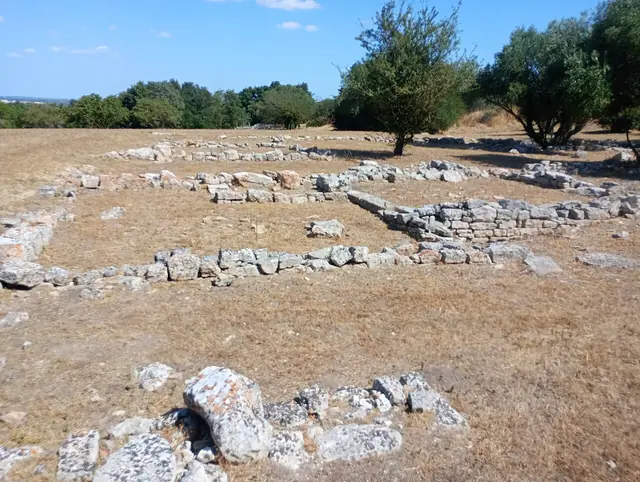
- Prehistory and protohistory of the Terra di Bari, from stone tools to the Bronze and Iron Ages
- “Archeologia di Bari” section in the former dormitory of the monastery
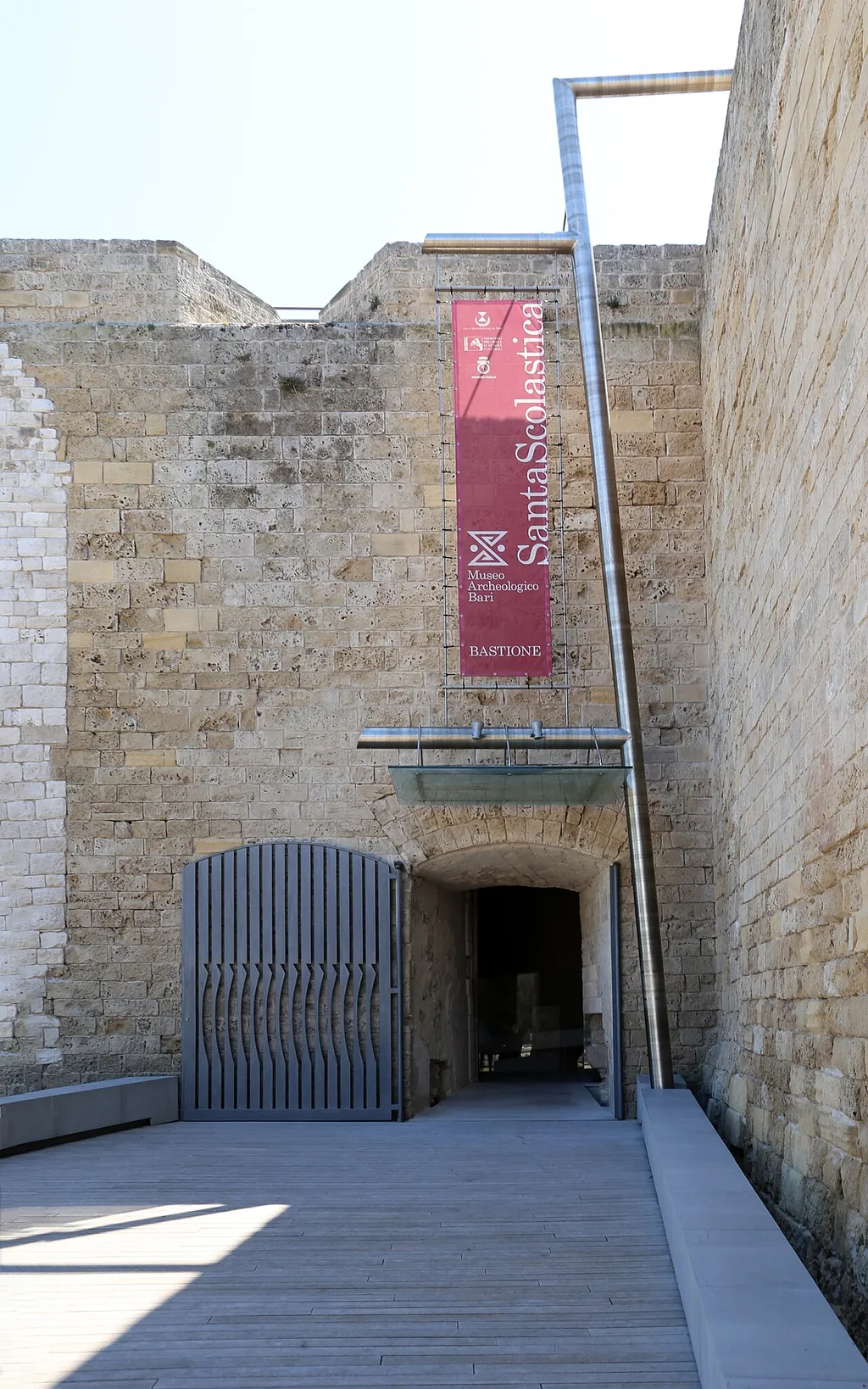
- Sixteenth-century bastion and medieval church within the monastic complex
Permanent exhibitions
- Iapigi e Greci nella Puglia antica – Section devoted to the Iapygian peoples and the Greek presence in Apulia.
- Antiche genti di Puglia: i Peucezi – Tells the story of the Peucetian civilisation through its male and female worlds, banquet rituals, performances and cults, with bronze weapons, Apulian vases and ornaments in gold, silver and amber.
- La collezione Polese – Around 2,000 finds bought by the museum in 1925, mostly ceramics, bronzes, glass and jewellery, displayed in the monastery's former refectory.
- Founded
- 1875
- Operated by
- Città Metropolitana di Bari
- Visitors per year
- approx. 20,000
Admission & discounts
| Adults | €5 |
|---|---|
| Reduced | €2Visitors aged 18 to 25 |
| Children & teens | freefree up to age 17 · Free admission for under-18s. |
| Visitors with disabilities | freecompanion free · Free admission for people with disabilities and one companion. |
| Combined ticket valid for 2 days | €8The entrance ticket also gives access to the Pinacoteca metropolitana “Corrado Giaquinto”. |
Free admission: Every first Sunday of the month.
The ticket includes admission to the archaeological museum and to the Pinacoteca metropolitana “Corrado Giaquinto”. Free also for licensed tourist guides and school groups with accompanying teachers; other categories of free admission are listed on the website.
Accessibility
The museum hasn’t published any information on this.
Kids & families
The museum hasn’t published any information on this.
Getting there & parking
The museum hasn’t published any information on this.
Amenities & dining
The museum hasn’t published any information on this.
Events & venue rental
The museum hasn’t published any information on this.
Plan your visit
| Good to know | Research assistance services, consultation of the museum library and an electronic inventory catalogue. |
|---|