Museum in Lodi dedicated to the sculptor Ettore Archinti, with plaster casts, bronzes, documents and photographs in an 18th-century farmhouse near the railway station.
Exhibition on the book and reading as subjects of Italian painting between the nineteenth and twentieth centuries, with works by sixteen artists; at its centre is “La lettrice” by Eleuterio Pagliano.
About the museum
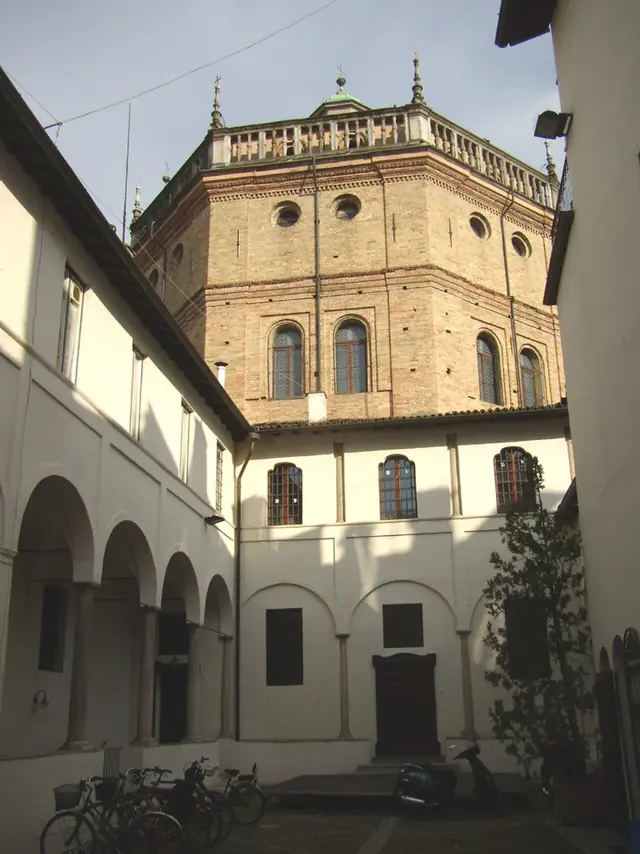
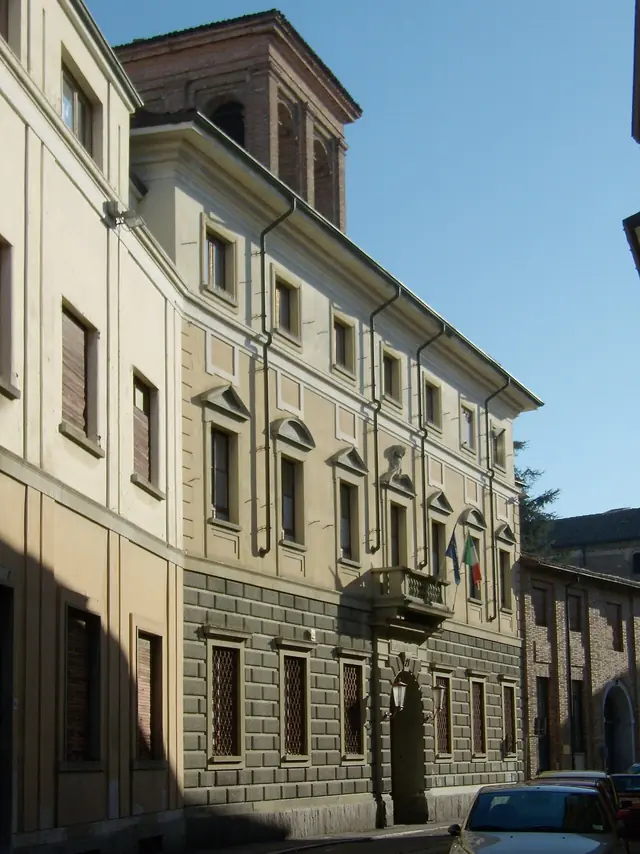
The museum is housed in the Cascina Callista, an 18th-century rural settlement in Lodi, now part of the city and a short distance from the railway station. The restored building hosts several cultural associations, in particular the Cooperativa Sociale Ettore Archinti Onlus, which runs the museum.
Ettore Archinti was born in Lodi in 1878 and died in Flossenbürg in 1944. A sculptor active in the local art scene of the first half of the twentieth century, he is also remembered as a figure of anti-fascism in Lodi and of the Resistance, inspired by strong humanitarian values. The museum preserves and promotes his work.
The museum opened on 25 April 2008 thanks to the collaboration between the Cooperativa Archinti and the Municipality of Lodi. In 2017 the Lombardy Region recognised it as a museum collection, and in April 2024 the first-floor display was reorganised with new lighting and new display structures.
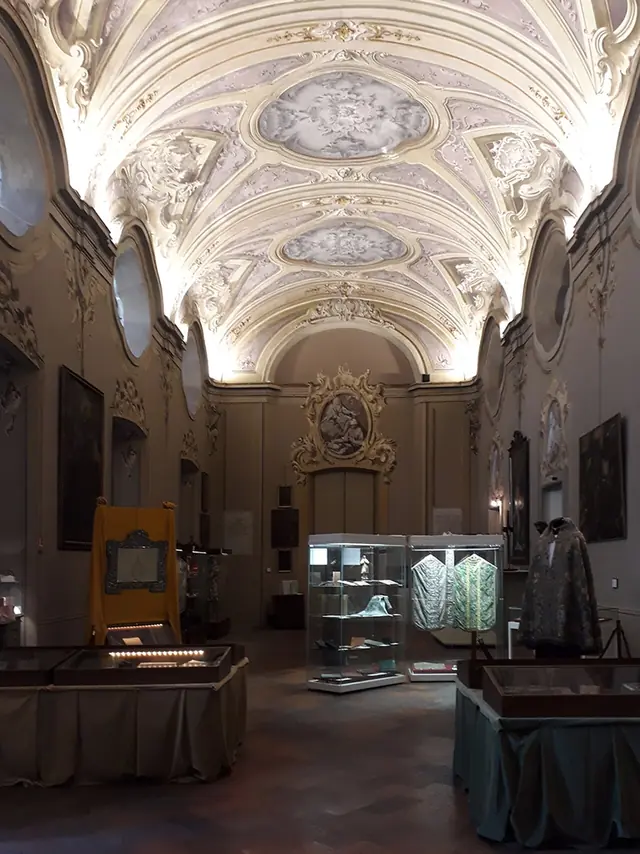
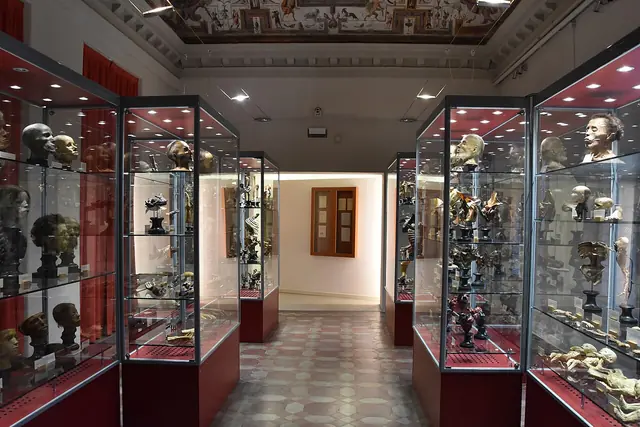
The permanent display is on the first floor and includes plaster casts and bronzes by the sculptor, partly donated and partly on loan, a catalogued and digitised archive of documents, writings and autograph letters, a historical photographic collection and a selection of socialist pamphlets from the early twentieth century.
Highlights
Plaster casts and bronzes by Ettore Archinti, including “Forse è meglio che tu non veda”
Works such as “Testa di vecchia con gli occhiali”, “Bambina con la palla” and “Una madre”
Digitised archive of the sculptor's documents, writings and autograph letters
Historical photographic collection and socialist pamphlets from the early twentieth century
Restored 18th-century farmhouse near Lodi station
Permanent exhibition
Collezione permanente di Ettore Archinti – On the first floor: plaster casts and bronzes by the sculptor from Lodi, with an archive of documents, a photographic collection and socialist pamphlets from the early twentieth century.
Founded
2008
Operated by
Cooperativa Sociale Ettore Archinti Onlus
Admission & discounts
The museum hasn’t published any information on this.
Accessibility
The museum hasn’t published any information on this.
Kids & families
The museum hasn’t published any information on this.
Getting there & parking
By public transit
Linea urbana 47
Urban bus line 47 stops in front of the entrance; Lodi railway station is a few steps away (exit at the rear). From Milan, FS trains run from Milano Centrale, Lambrate and Rogoredo, or take the Trenord line Lodi–Saronno.
By car, leave the A1 motorway at Lodi and follow the signs for the centre and the museum. The route from the station is suitable for cycling and connected to the centre.