Museo Geologico e delle Frane
Museum on the second floor of Palazzo Alemanni in Civita di Bagnoregio on geology, erosion and the landslides threatening the village, with marine fossils and monitoring data.
Have only individual sections read aloud
About the museum
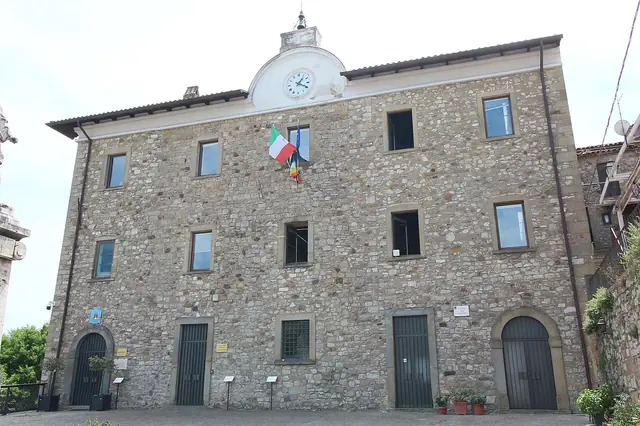
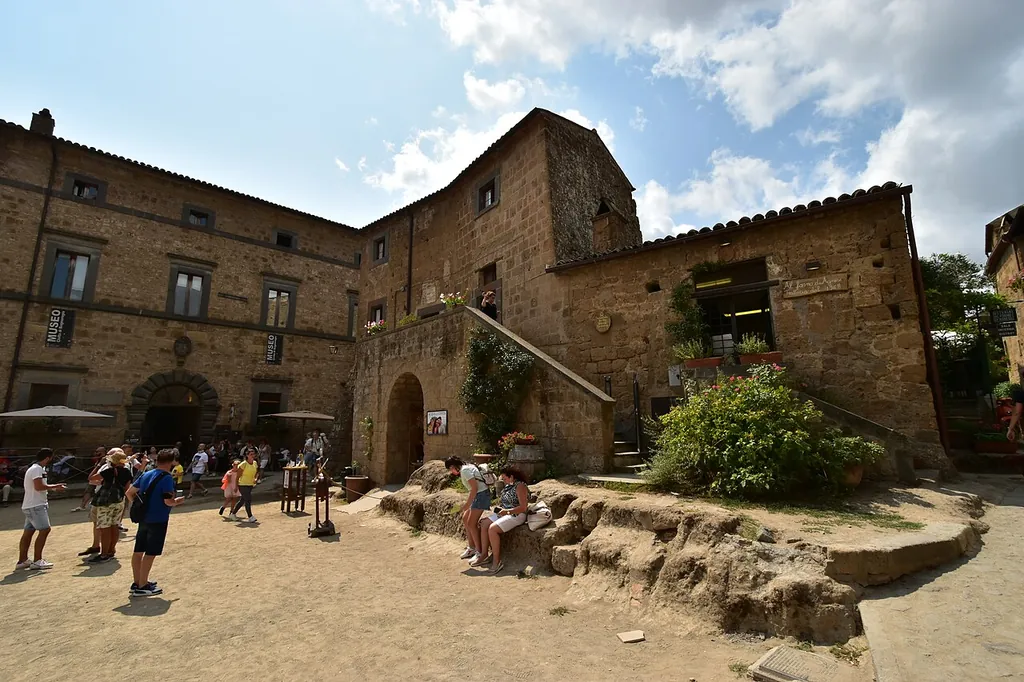
The Museo Geologico e delle Frane is in the heart of Civita di Bagnoregio, the village known for being threatened by erosion and landslides, on the second floor of Palazzo Alemanni in Piazza San Donato. It was set up as a documentation and study centre on the natural heritage of the area between Lake Bolsena and the valleys of the Paglia and the Tiber, and is promoted by the Comune di Bagnoregio with the Associazione Civita.
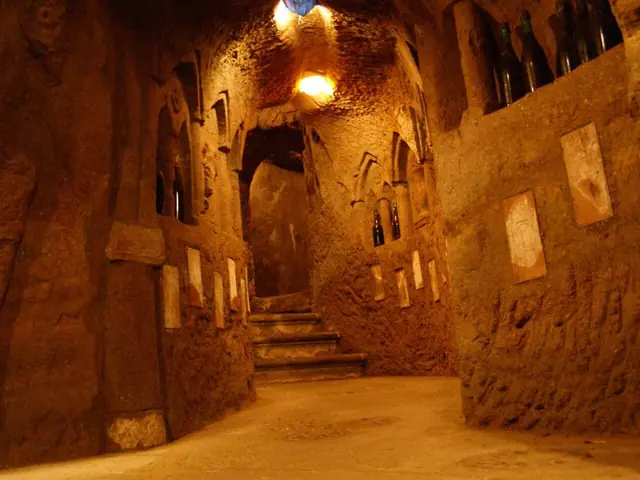
The rooms tell the geological history of the area: a sea more than a million years old, the volcanoes of the Vulsini district and the rocks that make up the landscape. Another part of the route is devoted to slope instability, monitoring systems and consolidation works, with data collected on the cliffs and a focus on historic landslides. The ISPRA repertoire of Earth science museums also records a palaeontological collection of marine molluscs from the Pliocene to the lower Pleistocene, collected according to stratigraphic criteria in the area between Bagnoregio and the Tiber valley.
In 2020 the museum reopened with a new display curated by the Associazione culturale Geo Teverina, which also runs the visitor experience, in collaboration with Casa Civita. The route, with interactive rooms and fossils, helps visitors understand the problems the village faces and the continuous relationship between people and nature in this place.
Highlights
- Palaeontological collection of marine molluscs from the Pliocene and lower Pleistocene
- Interactive rooms on erosion, landslides and rock materials
- Geological history with the ancient sea and the Vulsini volcanoes
- Monitoring data from the cliffs of Civita
- Located in Palazzo Alemanni, on the village’s main square
Permanent exhibition
- Percorso museale: geologia, erosione e frane di Civita – Interactive rooms on the geological history of the area, slope instability and the monitoring of the cliffs, with fossils and palaeontological finds.
- Visitors per year
- approx. 35,000
Admission & discounts
The museum hasn’t published any information on this.
Accessibility
- Wheelchair accessible: no information
- Elevator: no information
- Accessible restroom: no information
- Accessible parking: no information
- Service dogs welcome: no information
- Tactile models & exhibits: no information
- Sign language tours: no information
- Easy-to-read materials: no information
- Audio description: no information
The museum is on the second floor of Palazzo Alemanni; the website gives no information on the accessibility of the spaces. For people with severe mobility impairments, the Comune di Bagnoregio and the Croce Rossa (Red Cross) run a shuttle service to the village: on weekends and long holiday weekends from the start of the bridge (ponte), and on other days by booking two days in advance.
Kids & families
The museum hasn’t published any information on this.
Getting there & parking
The museum is in the village of Civita, in Piazza San Donato; for access to the village and the ticket office, see the Civita di Bagnoregio portal.
Get directionsAmenities & dining
The museum hasn’t published any information on this.
Events & venue rental
The museum hasn’t published any information on this.
Plan your visit
| Good to know | According to the Civita portal, bookings are made by phone on +39 328 665 7205. |
|---|