Museum of Waldensian history in Torre Pellice, with a historical section, an ethnographic section and a visitable storeroom with African and archaeological collections.
Original objects, stories and archive sources from the Pinerolese area and the French Queyras show everyday life in Alpine communities between the 19th and 20th centuries, with the wolf as a common thread of fears and of the relationship with nature.
A selection of photographs from the Protestant community documents the 1980s in the province: community life, meetings, debates and mobilisations, with brief commentary by the authors.
Original plates donated to the museum by Umberto Stagnaro, produced between 1979 and 1997, tell in comic-strip form the persecution of the Waldensians, the reformers Luther and Calvin, and Dietrich Bonhoeffer.
About the museum
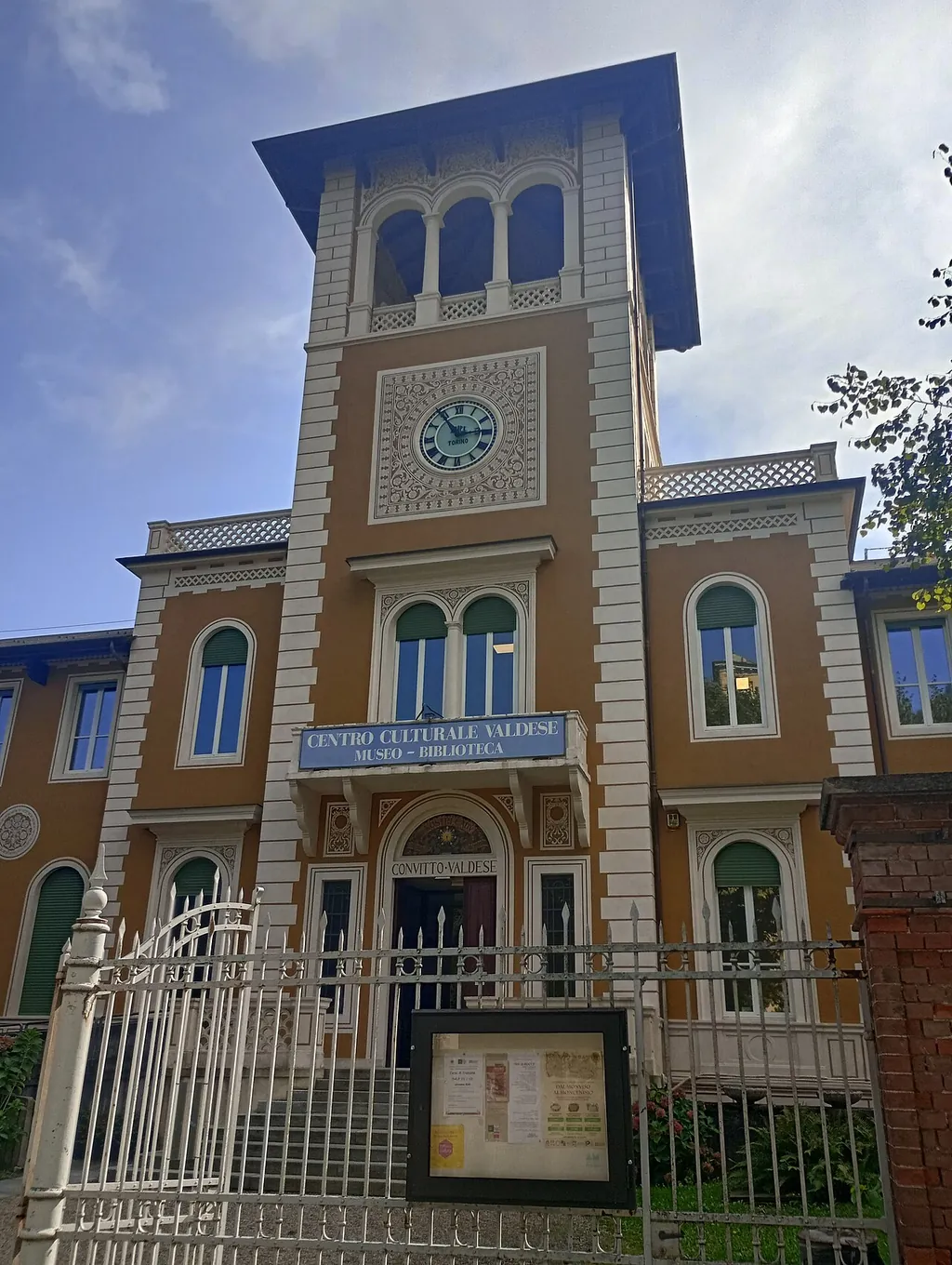
The Museo Valdese in Torre Pellice is run by the Fondazione Centro Culturale Valdese and is located in Via Beckwith, in the heart of one of the main historic and cultural centres of the Waldensian world. It is part of the Sistema Museale Eco-storico delle Valli valdesi, which comprises eleven museums and six places of memory spread across the territory.
The historical section takes visitors through eight and a half centuries of history: from the conversion of Waldo of Lyon in 1174, to his excommunication and the spread of the movement across Europe, to the adoption of the Protestant Reformation in the 16th century, to the persecutions and survival in the valleys of western Piedmont, up to the attainment of civil and political rights in 1848 and the 1984 Intesa (agreement) between the Italian State and the Chiesa Evangelica Valdese.
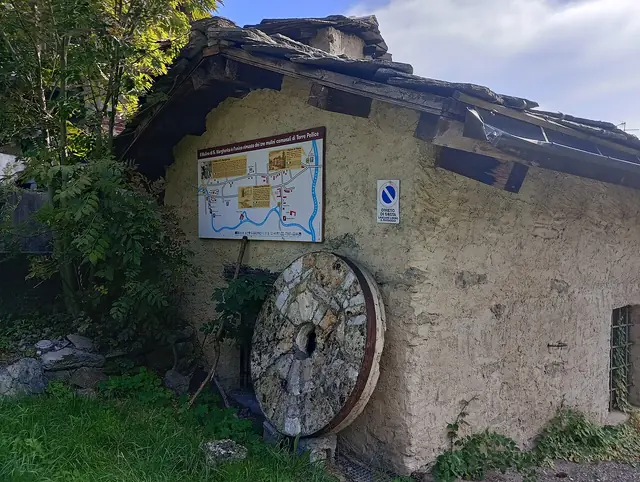
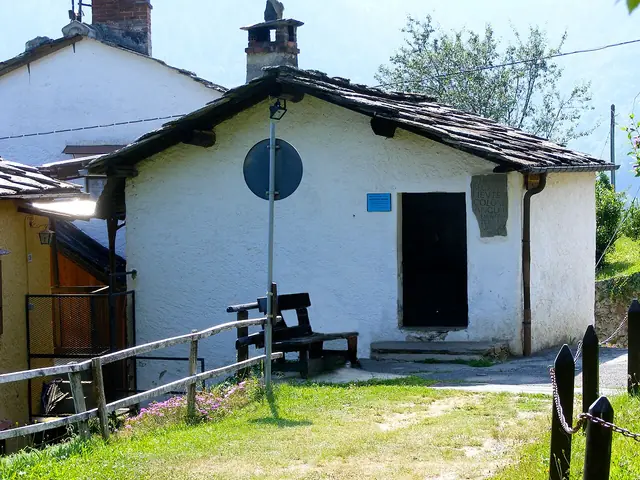
The ethnographic section tells the story of a 19th-century peasant family in an Alpine setting, with a reconstruction of a farmhouse and four reading routes: peasant civilisation, the life cycle, culture and education, and the specific features linked to the history of the area. A visitable storeroom holds more than a thousand objects not on display, including a collection of African objects linked to the work of Waldensian missionaries between the 19th and 20th centuries and the archaeological collection donated by Marquis Ippolito.
Since 2014 the museum has run the educational project “Apriti Museo!” on communicative accessibility, and in 2023 it was recognised as a “highly communicative” place.
Highlights
Historical section on eight and a half centuries of Waldensian history, from Waldo in 1174 to the 1984 Intesa
Ethnographic section with a reconstruction of a 19th-century farmhouse
Visitable storeroom with the African collection of the Waldensian missionaries and the Ippolito archaeological collection
Panoramic tower (access by stairs only)
Accessible routes with objects to touch and augmentative communication materials
Permanent exhibitions
Sezione storica – Eight and a half centuries of Waldensian history, from Waldo’s conversion in 1174 to the 1984 Intesa with the Italian State.
Sezione etnografica – The life of a 19th-century peasant family in the valleys, with a reconstructed house and four reading routes.
Deposito visitabile e torretta – More than a thousand objects not on display, including the African collection of the Waldensian missionaries and the Ippolito archaeological collection.
Operated by
Fondazione Centro Culturale Valdese
Visitors per year
approx. 4,885
Admission & discounts
Adults
€7
Reduced
€5Over 65s and university students aged 19 to 25
Children & teens
freefree up to age 18 · Free admission for ages 0 to 18.
Seniors
€5Over 65.
Visitors with disabilities
freeFree admission for people with disabilities.
Students & apprentices
€5University students aged 19 to 25.
Groups
–Groups and schools with a guided visit from the museum and compulsory booking.
Temporary exhibition
€3
Same-day re-entry: supplement of €2 or €1. Admission is also free with the Abbonamento Torino Musei pass, for two adults accompanying a child aged 0 to 12 months holding a Passaporto culturale, Waldensian and Methodist Sunday school teachers and pupils, accompanying staff of organised groups, journalists, staff and volunteers of the Foundation, and ICOM members. The museum takes part in the Abbonamento Musei circuit.
Accessibility
Wheelchair accessible
Elevator
Accessible restroom
Accessible parking
Service dogs welcome: no information
Tactile models & exhibits
Sign language tours: no information
Easy-to-read materials
Audio description: no information
All floors can be reached by ramps and lift, except the tower, which is accessible only by stairs. With a pushchair or wheelchair, some doors may be difficult to open; staff can be asked for help. Toilets on the three main floors, with wheelchair-accessible facilities in the basement and on the first floor. Indoor parking for people with mobility disabilities on request. High-legibility lettering, objects to touch, panels in easy-to-read language and symbols (Italian and English), and augmentative and alternative communication materials on request.
Kids & families
Great for kids & families
Kids’ admission
free up to age 18
Family tours & workshops
Hands-on stations
Stroller-friendly
Baby changing facilities
Guided tours and workshops for families; changing tables in the toilets on the basement and first floors, and a nursing and relaxation area on the ground floor.
Getting there & parking
By car
Parking available · 50 m to the entrance
The museum is on a pedestrian street; parking is available about 50 m away.
Museum bookshop; bags and backpacks are left in the lockers at the entrance.
Events & venue rental
The museum hasn’t published any information on this.
Plan your visit
Guided tours
yes
Audio guide
yes
School programs
yes
Photography
Photographs and video recording are allowed; public use requires written permission from the Foundation.
Good to know
Guided tours for schools, groups and families every day of the week, in Italian, English, French, German and Spanish, by booking (e-mail il.barba@fondazionevaldese.org). Audio guide for the ethnographic section. Groups of more than 8 people who have not booked are asked to book; entry is staggered every 15 minutes. Food and animals are not admitted; drinks are not admitted either, except water bottles. Access to the panoramic tower is limited to 15 people at a time.