Osservatorio Astrofisico di Asiago
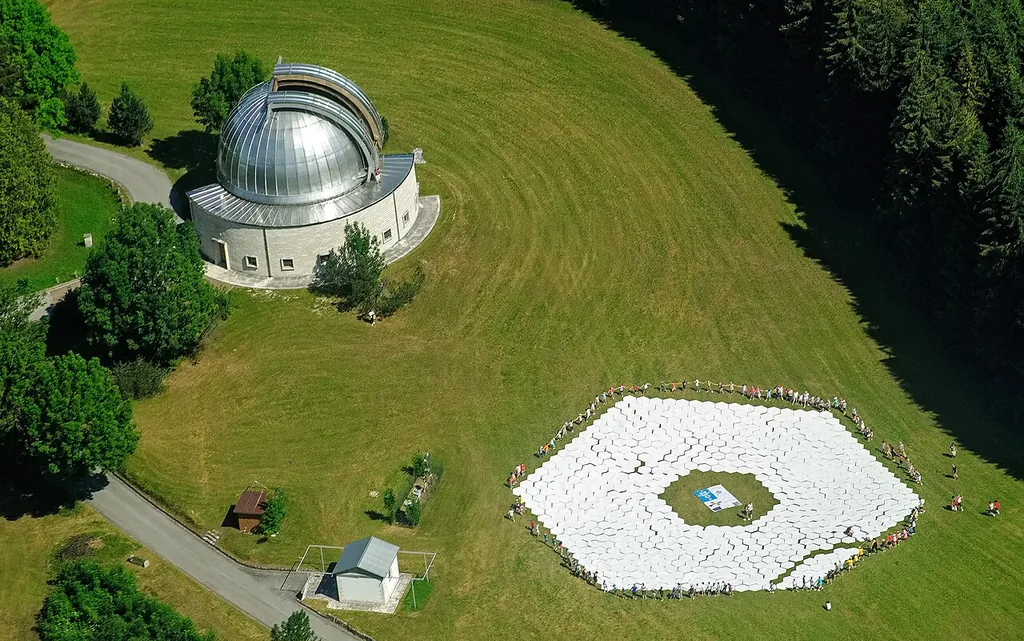
INAF astrophysical observatory on the Asiago Plateau, with the historic dome of the Galileo telescope (1942); visits and outreach activities by booking only.
Have only individual sections read aloud
About the museum
The Asiago Observatory was founded as a branch of the old Padua Observatory. In the 1920s and 1930s Giovanni Silva proposed to the University of Padua a large telescope, comparable to the largest European instrument of the time. The project was approved in 1933 and, after almost two years of meteorological surveys, the Asiago Plateau was chosen for its altitude, low light pollution and frequent clear nights.
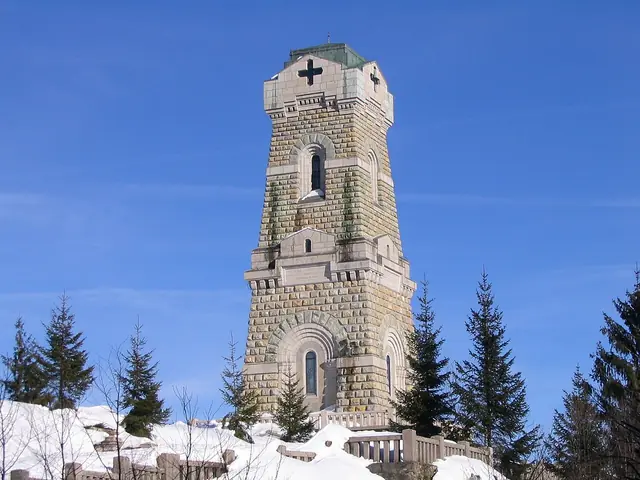
The stone tower, at about 1,050 metres above sea level, and the rotating dome were designed by the architect Daniele Calabi for the Technical Office of the University and built during the Second World War, while the instrument was made by the Officine Galileo of Florence. The telescope, with a 122 cm primary mirror, dedicated to Galileo Galilei, was inaugurated on 27 May 1942. The dome has an external diameter of 15 metres and weighs 50 tonnes.
Today the site is run by the INAF – Osservatorio Astronomico di Padova and also includes the observing station of Cima Ekar with the 1.82-metre Copernico telescope, the largest Italian optical telescope, and the fully robotic Schmidt 67/92. Alongside research, the observatory runs outreach activities for schools and the public together with the University of Padua, including guided visits to the telescopes and talks in the Sala Multimediale.
Highlights
- Historic dome of the 122 cm Galileo telescope (1942)
- Copernico telescope, 1.82 m, at Cima Ekar
- Sala Multimediale with telescopes for observation
- Remote connection with the Galileo, Copernico and Schmidt telescopes
Permanent exhibition
- Telescopio Galileo e cupola storica – Guided visit to the stone tower with the rotating dome and to the 122 cm telescope built by the Officine Galileo between 1940 and 1942.
- Founded
- 1942
- Operated by
- INAF – Osservatorio Astronomico di Padova, in collaborazione con il Dipartimento di Fisica e Astronomia dell'Università di Padova
- Visitors per year
- approx. 3,500
Admission & discounts
The museum hasn’t published any information on this.
Accessibility
- Wheelchair accessible: no information
- Elevator
- Accessible restroom: no information
- Accessible parking: no information
- Service dogs welcome: no information
- Tactile models & exhibits: no information
- Sign language tours: no information
- Easy-to-read materials: no information
- Audio description: no information
The Sala Multimediale has no architectural barriers and has a lift for wheelchairs.
Kids & families
The museum hasn’t published any information on this.
Getting there & parking
By public transit
Bus: line 15 SVT Vicenza–Thiene, line 23 Thiene–Asiago–Gallio or line 41 Bassano–Asiago. Asiago is not served directly by train (nearest stations: Vicenza, Bassano del Grappa, Thiene, Padua).
By car from Vicenza via the SS 349 (about 55 km), from Bassano del Grappa via the Strada della Fratellanza (about 35 km), and from Trento via Lavarone (about 64 km); from the A31 Valdastico motorway, take the Piovene Rocchette exit and then the SS 349 for about 24 km. From the centre of Asiago take the road towards Bassano (SP 72), turn left at the little church of Santa Maria Maddalena, then immediately right and climb to the entrance. The Cima Ekar station is about 6 km from Asiago along SP 72, in Via Leonida Rosino.
Get directionsAmenities & dining
The museum hasn’t published any information on this.
Events & venue rental
The museum hasn’t published any information on this.
Plan your visit
| Guided tours | yes |
|---|---|
| School programs | yes |
| Good to know | All activities require booking at the SIT of Asiago. Guided tours of the telescopes, workshops, talks and lessons for schools are offered at the Asiago and Cima Ekar sites. The Sala Multimediale, in the 1960s dome built for the Schmidt 67/92 telescope (moved in 1990 to Cima Ekar), holds at most 50 people per meeting and has a Celestron C-11 telescope, a Vixen refractor and a solar telescope. |