Borgarsyssel museum
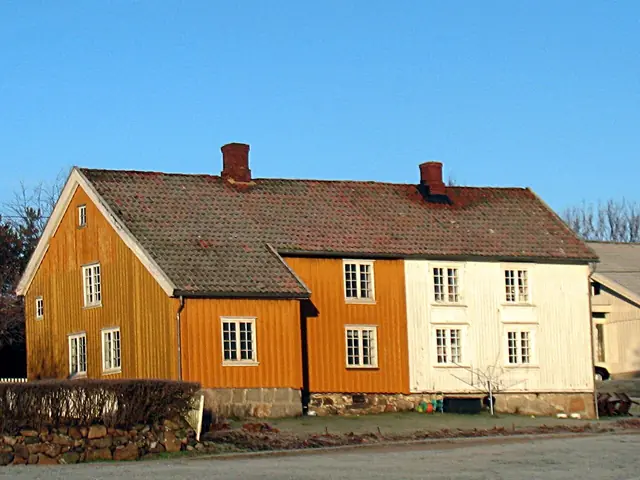
Open-air museum in Sarpsborg with over 20 relocated buildings from Østfold, the Steinhuggerhallen (stonemasons’ hall) and one of the world’s most complicated astronomical clocks.
Have only individual sections read aloud
About the museum
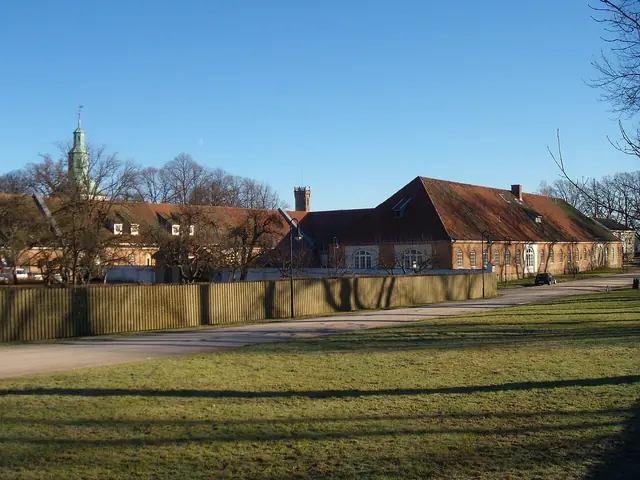
Borgarsyssel museum was founded by volunteers in 1921 and opened during Olsok the same year. Dentist Ingebret Aas from Hof in Solør was the driving force and became the museum’s first curator. The museum is located in Sarpsborg by the ruins of St. Nikolai Church from the 12th century, and from the very beginning it has collected buildings and objects from all over Østfold. In 1947 it took on the role of county museum for Østfold.
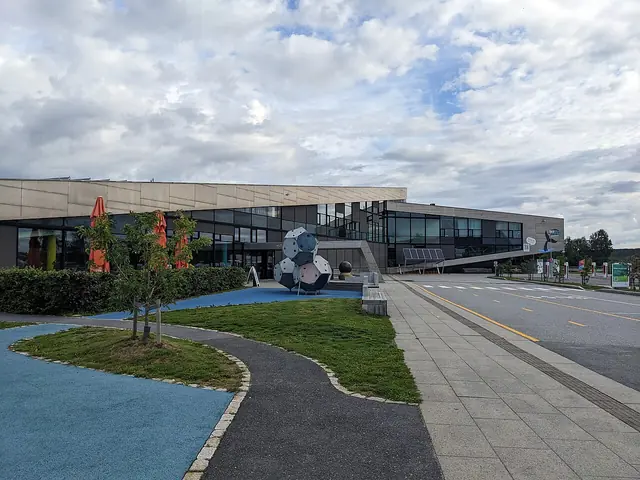
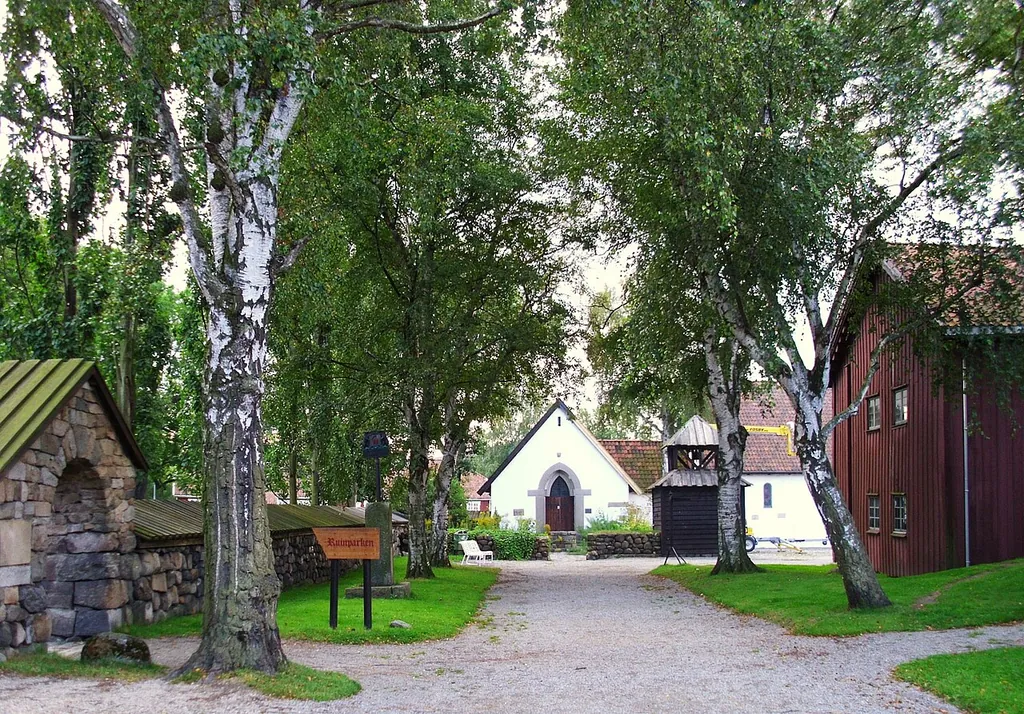
The first house on the site was Snekkenes, an 18th-century building that came from the Brekke and Snekkenes sawmill in Rakkestad. Olavskapellet, a copy of a medieval church, was completed in 1930 in connection with the marking of the 900th anniversary of St Olav’s death, and in the same year the Steinhuggerhallen and the Urtehagen (herb garden) were laid out. Wegnerbrakka, a workers’ house from the 1850s, was moved from Årum in 1976 when the E6 was to be built, and re-erected on the museum grounds in 1989. The visitor centre Olavs hall opened in 2016 and has a café and museum shop.
Today the museum has over 20 buildings and around 23,000 objects. Since 2006 it has been part of Østfoldmuseene. The astronomical clock of Rasmus Sørnes came to the museum in 1992 and is considered one of the most complicated in the world.
Highlights
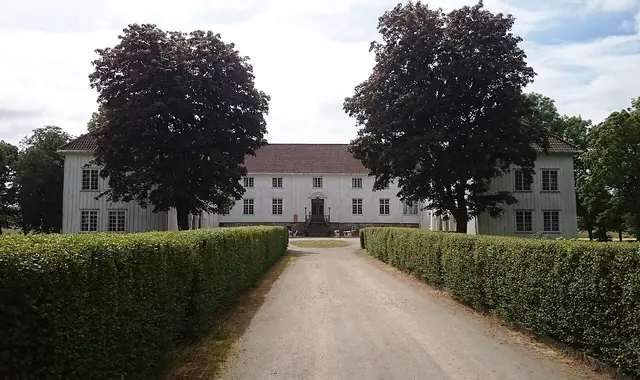
- Open-air museum with buildings from farming, workers’ and civil servants’ communities
- Steinhuggerhallen with medieval art, including a figure of St Olav and an enthroned Mary
- The astronomical clock of Rasmus Sørnes
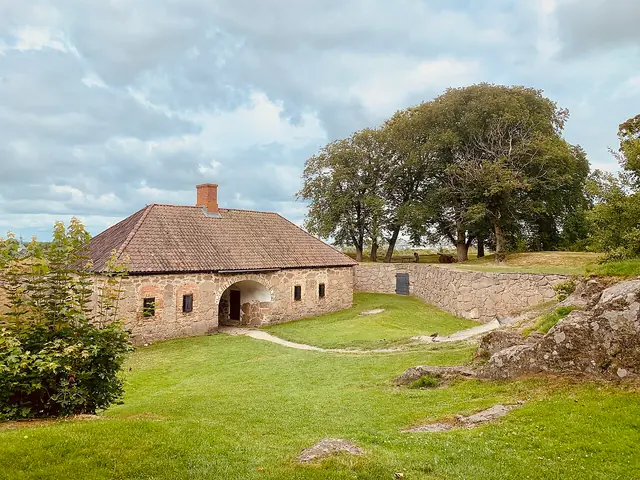
- Olavskapellet from 1930 and the ruins of St. Nikolai Church
- Visitor centre with café and museum shop
Permanent exhibitions
- Friluftsmuseet Borgarsyssel – Visitors can walk through real houses from the farming, workers’ and civil servants’ traditions and get a picture of how people lived and worked in Østfold.
- Steinhuggerhallen – The museum’s oldest exhibition, built in 1930, with medieval art from Østfold.
- Founded
- 1921
- Operated by
- Østfoldmuseene
Admission & discounts
The museum hasn’t published any information on this.
Accessibility
- Partially wheelchair accessible
- Elevator
- Accessible restroom
- Accessible parking
- Service dogs welcome: no information
- Tactile models & exhibits: no information
- Sign language tours: no information
- Easy-to-read materials: no information
- Audio description: no information
The grounds and museum building are universally designed and suitable for walking, while the old houses in the open-air museum are not adapted. Olavs hall has a ramp, a lift up to the tower and a wheelchair-accessible toilet. The café and shop have an induction loop; the exhibition hall does not. Companions with a companion card enter free of charge. The northern car park has two accessible parking spaces and an electric car charging point.
Kids & families
The museum hasn’t published any information on this.
Getting there & parking
By public transit
St. Olavs voll · 5-min walk · 450 m
Nearest bus stop: St. Olavs voll.
By car
Parking available
Car park in the north with two accessible spaces and an electric car charging point.
- Accessible parking
Amenities & dining
- Café
- Museum shop
Café and museum shop in the visitor centre Olavs hall.
Events & venue rental
- Spaces for rent
- Private parties
- Corporate events
- Weddings / ceremonies
Up to 100 guests.
Olavs hall (meeting and lecture hall, seats 100 guests), the Olavskapellet from 1930, the outdoor ruin (around 80 seated) and Wegnerbrakka can be hired for meetings, weddings, anniversaries and other events.
Plan your visit
| Guided tours | yes |
|---|---|
| School programs | yes |
| Good to know | The museum has guides in the open-air museum. For lectures and tours with an interpreter, the museum’s education department should be contacted well in advance. |