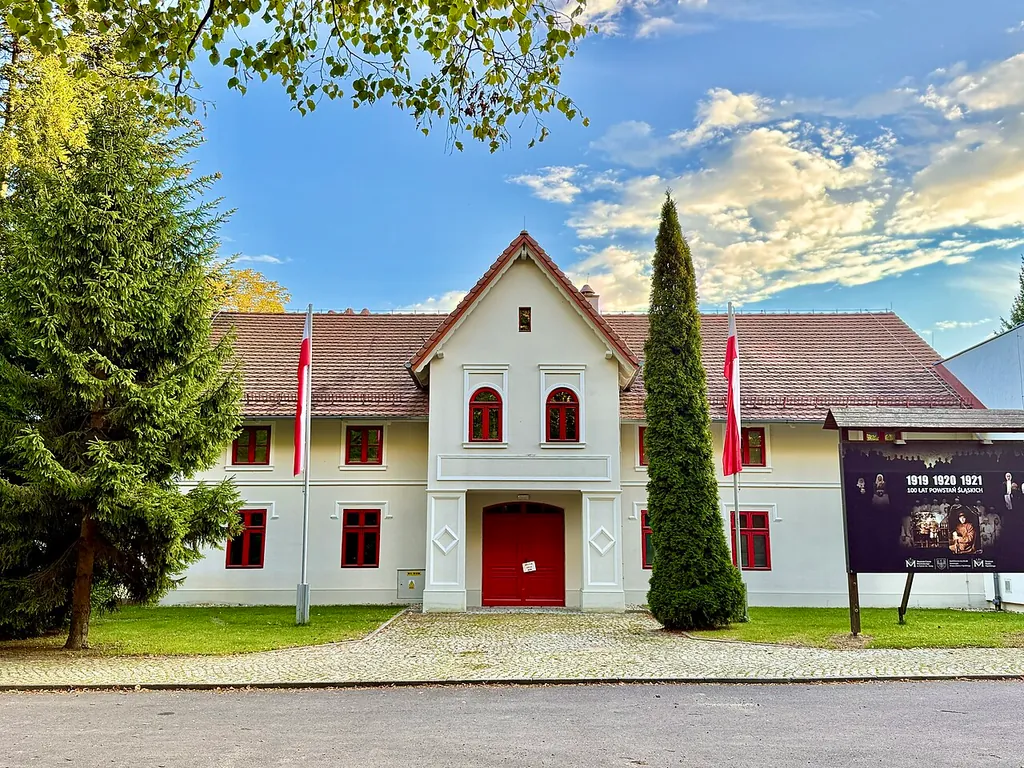
Muzeum Czynu Powstańczego w Górze Świętej Anny
Branch of the Muzeum Śląska Opolskiego (Opole Silesia Museum) devoted to the Silesian Uprisings and the plebiscite, with a panorama featuring a light and sound show.
Have only individual sections read aloud
About the museum
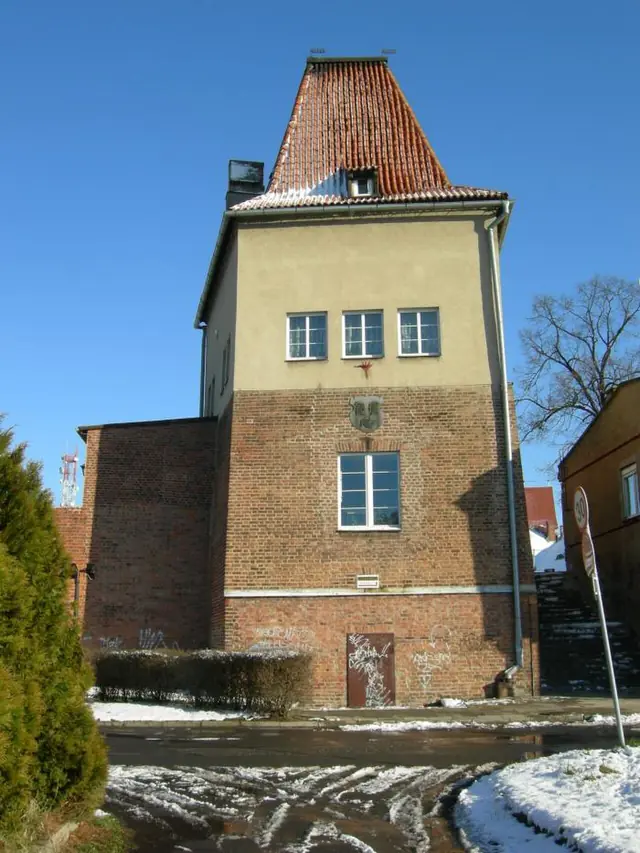
The idea for the museum arose in 1961, during celebrations of the fortieth anniversary of the Third Silesian Uprising. Góra Świętej Anny was not chosen by chance: it was here that the heaviest fighting took place in 1921, and the place became a symbol of the Silesian struggle for union with Poland. The institution was set up by the Muzeum Śląska Opolskiego as its branch, and the official opening took place on 19 July 1964. Initially it was housed in a 19th-century school building in Leśnica, which during the Third Uprising served as the headquarters of one of the insurgent regiments.
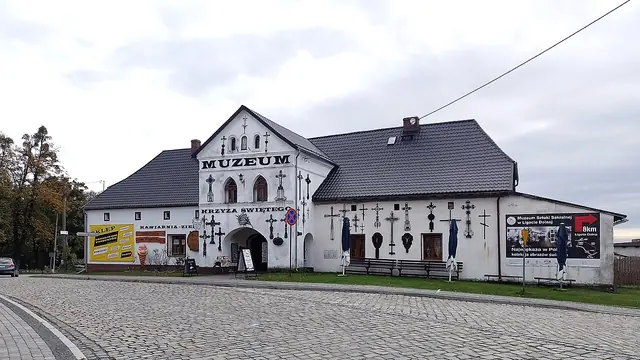
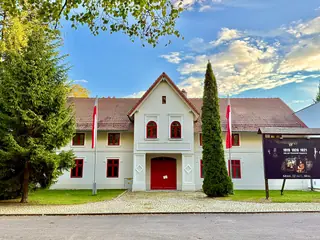
In 1980 the museum moved to its present seat, the former Polish House (Dom Polski) in the forest between Leśnica and Góra Świętej Anny. The building, originally a 19th-century inn, was bought in 1936 for the Union of Poles in Germany. Congresses of Polish organisations, scout camps and children’s summer camps were held there. During the Second World War the Germans set up a labour camp for Jews nearby, and its command post was in the building.
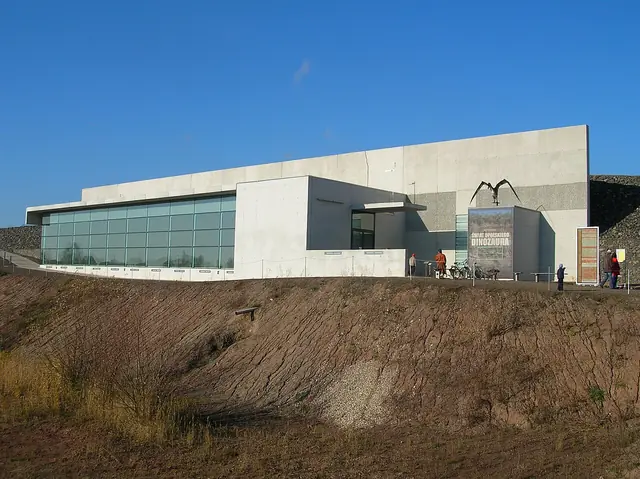
The collections number almost 2,500 objects and relate mainly to the Silesian uprisings and the plebiscite in Upper Silesia. They include memorabilia of insurgents, battle and veterans’ banners and written orders from the time of the Third Uprising. In 2006 the exhibition was supplemented by the Panorama of the Silesian Uprisings, and the Nature Department of the Muzeum Śląska Opolskiego was also moved here; it organises nature exhibitions in the museum.
Highlights
- Panorama of the Silesian Uprisings with a 15-minute light and sound show
- Historical and natural trail in the form of a diorama leading to the rotunda
- Battle and veterans’ banners and orders from the Third Silesian Uprising
- Rooms devoted to the First, Second and Third Silesian Uprisings and the plebiscite
- Former Polish House as the museum’s historic seat
Permanent exhibitions
- Wystawa stała: powstania śląskie i plebiscyt – Rooms on the ground floor present the history of the monastery and Calvary on Góra Świętej Anny, the Polish national movement in Silesia in 1848–1918, the three Silesian uprisings, the plebiscite and the takeover of the Polish part of Upper Silesia in 1922.
- Panorama Powstań Śląskich – Panorama in the rotunda, animated by a fifteen-minute light and sound show; a historical and natural trail in the form of a diorama leads to the rotunda.
- Founded
- 1964
- Operated by
- Muzeum Śląska Opolskiego w Opolu
- Director
- Iwona Solisz
Admission & discounts
| Adults | 8 zł |
|---|---|
| Reduced | 5 złpersons entitled to a reduction, upon presentation of a document confirming the right to a reduction (list in the museum’s price list) |
| Guided tour of the permanent exhibitions (per group, admission tickets separate) | 100 złgroup of 10–30 people |
| Guided tour of one exhibition (per group, admission tickets separate) | 50 zł |
| Guided tour in a foreign language (per group, admission tickets separate) | 150 zł |
Free admission: free admission to the permanent exhibitions every Thursday
Standard ticket PLN 8, reduced PLN 5. On Thursdays visiting the permanent exhibitions is free; this does not apply to temporary exhibitions or guided tours. Payment at the ticket office in Góra Świętej Anny is by cash only. A guided tour of the permanent exhibitions costs PLN 100 per group (min. 10, max. 30 people), PLN 50 for one exhibition and PLN 150 in a foreign language; this fee does not replace the admission ticket.
Accessibility
- Wheelchair accessible: no information
- Elevator: no information
- Accessible restroom
- Accessible parking: not available
- Service dogs welcome
- Tactile models & exhibits: no information
- Sign language tours: no information
- Easy-to-read materials: no information
- Audio description: no information
The building is entered by stairs; there is a ramp for people with special needs. The building has a toilet adapted for people with disabilities. There are no induction loops, Braille signs or high-contrast markings, and no accessible parking spaces have been designated nearby. Guide dogs may enter the museum.
Kids & families
The museum hasn’t published any information on this.
Getting there & parking
By car
- Accessible parking: not available
Amenities & dining
- Coat check
The cloakroom is free of charge. Large backpacks, bags and outer clothing must be left in the cloakroom before entering the exhibitions.
Events & venue rental
The museum hasn’t published any information on this.
Plan your visit
| Guided tours | yes |
|---|---|
| School programs | yes |
| Photography | Photography and filming for private purposes is free of charge; flash, additional light sources and tripods are not allowed. |
| Good to know | Visitors should leave the museum at the latest 15 minutes before closing time. In the exhibition rooms on the upper floor, museum lessons, lectures and temporary exhibitions take place. Bonfires and field activities may be organised on the museum grounds with permission. |