Muzeum Gross-Rosen w Rogoźnicy
Museum on the site of the former German Nazi concentration camp Gross-Rosen: permanent exhibitions, reconstructed barracks and a former quarry.
Have only individual sections read aloud
About the museum
The Państwowe Muzeum Gross-Rosen (Gross-Rosen State Museum) was established in 1983 in Rogoźnica and Wałbrzych; its founding body was the Ministry of Culture and Art. The KL Gross-Rosen concentration camp operated from 1940 to 1945 near today’s Rogoźnica. After the war a secret NKVD prison was located there for about two years, which delayed the creation of the museum.
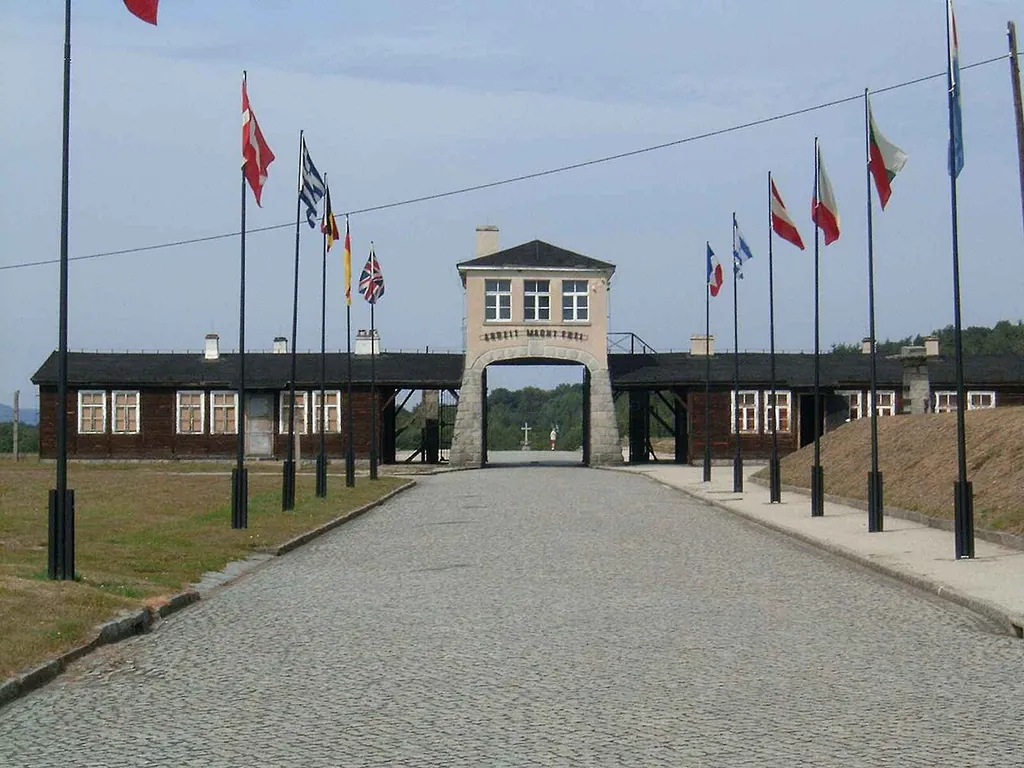
After 1999, when the Wałbrzych Voivodeship was abolished, the museum came under the care of the Lower Silesian Voivodeship self-government. The institution secured the few surviving memorabilia and archival materials. Two buildings, small ruins and the foundations of barracks have survived on the site of the former camp. In 2004 the museum bought the historic quarry, which was tidied up, fenced and opened to visitors on 22 September 2005.
Exhibitions are held in Rogoźnica in the former camp complex, while Wałbrzych houses the administration, the archive and research studios. The museum gathers source materials, conducts research and educational work, and secures traces of the camp. Visitors can see, among other things, the reconstructed Barrack No. 7, the so-called French barrack (barak francuski) and exhibitions devoted to the sub-camps and the Riese complex.
Key themes
- permanent exhibition “KL Gross-Rosen 1941–1945”
- “Zaginione człowieczeństwo” (Lost Humanity) in the left wing of the main gate
- “AL Riese – filie KL Gross-Rosen w Górach Sowich” (AL Riese – branches of KL Gross-Rosen in the Owl Mountains)
- reconstructed Barrack No. 7 with an exhibition on the sub-camps
- so-called French barrack with a restored barrack cellar
- around 300 archaeological objects from the project “Kamienne Piekło” (Stone Hell)
Permanent exhibitions
- KL Gross-Rosen 1941–1945 – History of the camp and everyday life of the prisoners: photographs, maps, original documents, everyday objects and works by former prisoners.
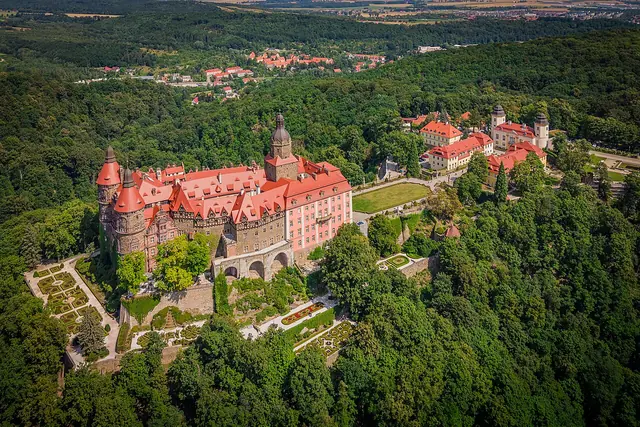
- AL Riese – filie KL Gross-Rosen w Górach Sowich – Exhibition on the sub-camps in the Owl Mountains and at Książ Castle, set up from 1943 in connection with the construction of a new Hitler headquarters.
- Zaginione człowieczeństwo – Historical and educational exhibition on the emergence of totalitarian systems in Europe in 1919–1945, with a thread on the fate of a former camp prisoner.
- Founded
- 1983
- Operated by
- Samorząd Województwa Dolnośląskiego
Admission & discounts
Admission is free.
| Audio guide hire | 20 zł |
|---|---|
| Guided tour in Polish – family group (5 people) | 60 zł |
| Guided tour in Polish – group of up to 15 people | 80 zł |
| Guided tour in Polish – group of up to 40 people | 160 zł |
| Guided tour in English or German – family group (5 people) | 120 zł |
| Guided tour in English or German – group of up to 15 people | 200 zł |
| Guided tour in English or German – group of up to 40 people | 300 zł |
| Film screening, 30 minutes (individual visitor) | 3 złFor a group: PLN 25. |
| Film screening, 60 minutes (individual visitor) | 5 złFor a group: PLN 50. |
Admission to the museum grounds and the exhibitions is free. Parking is paid (car PLN 5, coach PLN 15, motorcycle PLN 3). Payment by card or in cash, in PLN.
Accessibility
- Partially wheelchair accessible
- Elevator: no information
- Accessible restroom: no information
- Accessible parking
- Service dogs welcome: no information
- Tactile models & exhibits
- Sign language tours
- Easy-to-read materials: no information
- Audio description
A ramp with a handrail leads to the rear entrance of the main building. The museum provides a wheelchair, portable ramps and a stair-climbing device (schodołaz), as well as an electric melex-type vehicle adapted to carry a wheelchair. The audio guide system includes a route in Polish Sign Language (PJM) and audio description. Braille brochures with tactile sheets, a tactile model of the former camp and a tactile plan of the main exhibition building are available. Two parking spaces are reserved for people with disabilities. The site is a historic monument, which limits architectural changes.
Kids & families
Only partly suitable for kids
| Time needed | approx. 2 hrs |
|---|
Because of the subject matter, the museum recommends that children and pupils visit under the supervision of adults.
Getting there & parking
By public transit
Rogoźnica
Rogoźnica has a railway station and a PKS bus stop.
By car
Paid parking
Paid car park: car PLN 5, coach PLN 15, motorcycle PLN 3. Two spaces for people with disabilities.
- Accessible parking
Rogoźnica lies 7 km from Strzegom, on national road no. 374 (Strzegom–Legnica).
Get directionsAmenities & dining
The museum hasn’t published any information on this.
Events & venue rental
The museum hasn’t published any information on this.
Plan your visit
| Guided tours | yes |
|---|---|
| Audio guide | yes |
| Good to know | For groups of 10 or more a guided tour with a museum guide is mandatory; individual visitors may add a guide. Book the date in advance by telephone or e-mail. Allow at least two hours to see the grounds and the exhibitions. The museum recommends that children and pupils visit under the supervision of adults. Film screenings are paid. |