Muzeum Regionalne im. Dzieci Wrzesińskich we Wrześni
Regional museum in a historic former school building, the site of the 1901 strike of the Children of Września, with exhibitions on the history of Września and a re-created schoolroom.
Have only individual sections read aloud
About the museum
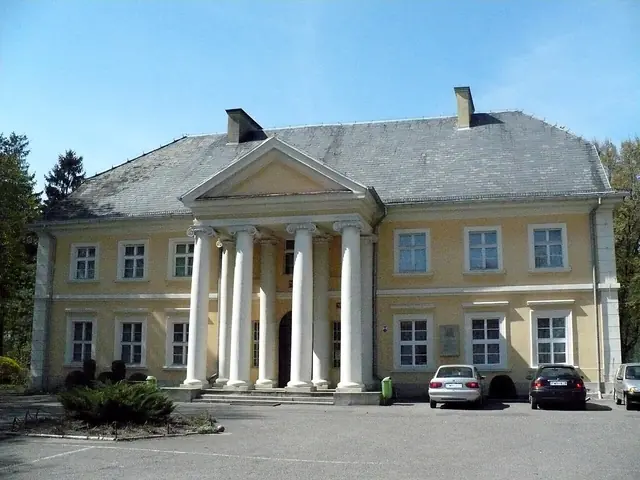
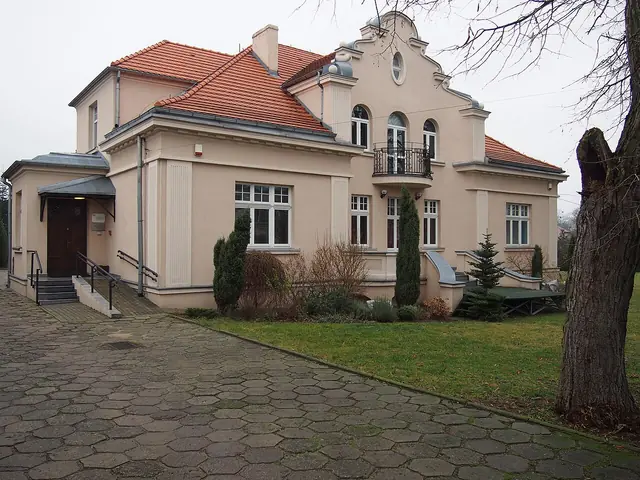
The museum is housed in the former Catholic elementary school (Katolicka Szkoła Ludowa) at ul. Dzieci Wrzesińskich 13, built in 1790 and enlarged in 1838. In 1901 the strike of the Children of Września took place in this school, against the teaching of religion in German. The idea of a museum emerged between the wars, and the collections gathered before the war were destroyed during the Second World War. In 1961 a museum room was opened, which in 1966 was turned into a regional museum.
The museum collects materials on the history of Września and its surroundings; its collections number more than 6,000 museum objects in four departments, including archaeology and archives. The largest archival department contains chronicles and school documents, town and guild documents, photographs, postcards and the press, including the “Orędownik Wrzesiński” from 1919–1939. The most valuable exhibit is a pupil’s exercise book by Bronisław Klimas, written during the school strike.
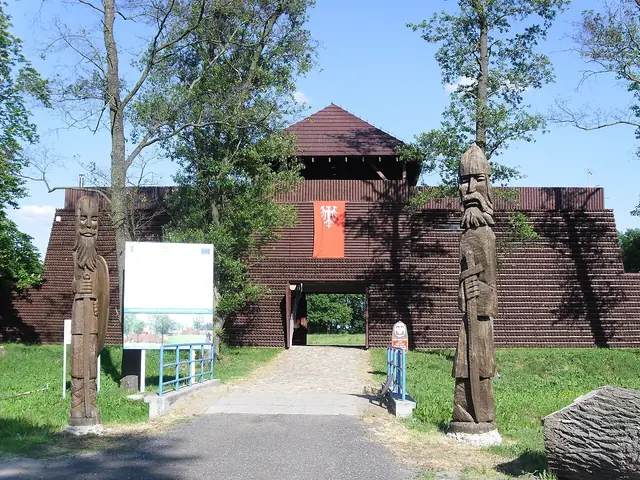
The permanent exhibition includes archaeological finds from the Mesolithic, Neolithic and Bronze Age and from the Piast-era stronghold at Grzybowo-Rabieżyce, an exhibition on Września in the 19th and 20th centuries, a re-created school room from the time of the strike, and two burghers’ parlours with works by, among others, W. Brodzki, J. Kossak and M. Turwid. The school room shows the oldest Polish film, “Pruska kultura” (“Prussian Culture”), from 1908. The museum also organises temporary exhibitions, museum lessons and recurring events.
Highlights
- re-created school room from the time of the 1901 children’s strike
- archaeological finds from the stronghold at Grzybowo-Rabieżyce and a hoard of dirhams
- exhibition on Września in the 19th and 20th centuries, including the Spring of Nations and the Greater Poland Uprising
- “Pruska kultura” (“Prussian Culture”), the oldest Polish film, from 1908
- burghers’ parlours from the 19th and early 20th centuries
Permanent exhibitions
- Archeologia (sala 1) – Finds from the Mesolithic, Neolithic and Bronze Age, from the stronghold at Grzybowo-Rabieżyce and from the medieval and early modern excavations in Września.
- Września w XIX i XX w. (sala 2) – Weapons, banners and memorabilia of the shooting guild, the craftsmen’s guilds, the 68th Infantry Regiment and the Jewish community.
- Izba szkolna (sala 3) – Re-created school room from the time of the school strike, with documents and photographs from 1901–1902.
- Founded
- 1966
Admission & discounts
| Adults | 10 zł |
|---|---|
| Reduced | 5 złchildren, pupils and students up to the age of 26, teachers accompanying groups, people over 65, pensioners and people receiving disability pensions, holders of the Large Family Card (Karta Dużej Rodziny) and the Września Senior Card (Wrzesińska Karta Seniora) |
| Groups | –The guided service costs PLN 100 for 45 minutes (one lesson for the whole group). |
| Guided service (45 min, group) | 100 zł |
| Museum lesson (45 min) | 100 zł |
Free admission: Every Saturday (free admission).
Reduced rates apply on presentation of the relevant documents. The 66 m² hall can be hired for PLN 500 per hour.
Accessibility
- Partially wheelchair accessible
- Elevator: not available
- Accessible restroom: no information
- Accessible parking: no information
- Service dogs welcome
- Tactile models & exhibits: no information
- Sign language tours: no information
- Easy-to-read materials: no information
- Audio description: no information
The exhibition is on the ground floor, and wheelchair access is possible from the courtyard side. The main entrance from the street has three stone steps. The building has no lift; the administration is on the second floor and can be reached via the intercom at the main entrance. Visitor toilets are on the ground floor, accessed from the courtyard. The museum has no facilities for blind, visually impaired, deaf or hard-of-hearing visitors. Visitors may enter with assistance dogs and guide dogs.
Kids & families
Great for kids & families
- Family tours & workshops
The museum runs museum lessons; children and young people are entitled to a reduced ticket, and admission is free on Saturdays.
Getting there & parking
By car
No on-site parking at the museum.
The museum has no parking of its own; paid municipal parking operates on nearby streets, with free spaces for people with disabilities.
The museum is in the centre of Września, on the street linking the market square with the parish church (kościół farny).
Get directionsAmenities & dining
- Museum shop
There is a small shop next to the museum (“Sklepik” tab on the website).
Events & venue rental
- Spaces for rent
The museum rents out the 66 m² hall for PLN 500 per hour.
Inquiries & detailsPlan your visit
| Guided tours | yes |
|---|---|
| School programs | yes |
| Good to know | Guided tours and museum lessons can be booked online or by telephone. The museum’s website includes a virtual tour of the museum. |