Muzeum Regionalne im. Stanisława Sankowskiego w Radomsku
Museum in a former town hall with exhibitions on prehistory, the history of Radomsko, the occupation, the People's Republic of Poland (PRL) and village life in the Radomsko area, and a historic Tatar farmstead (Zagroda Tatarska).
Have only individual sections read aloud
About the museum
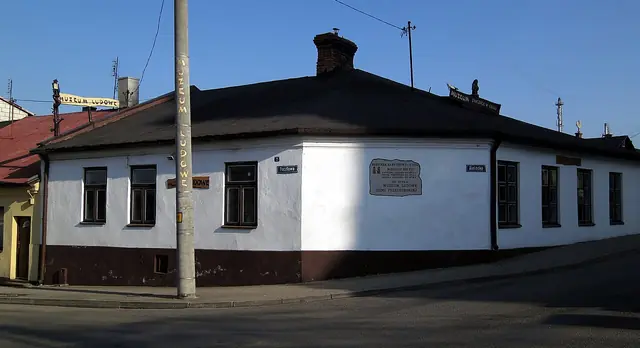
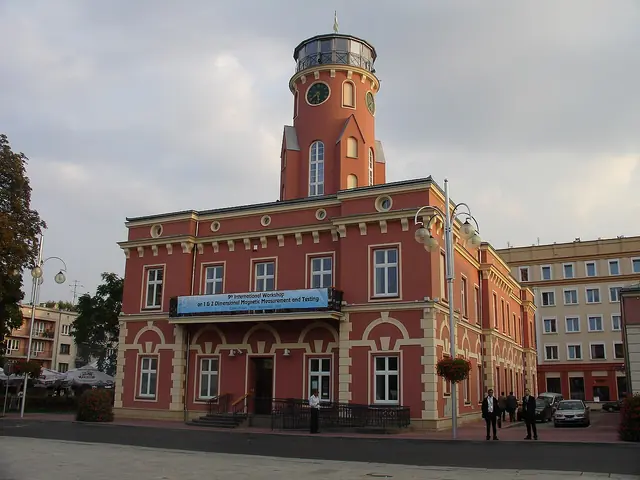
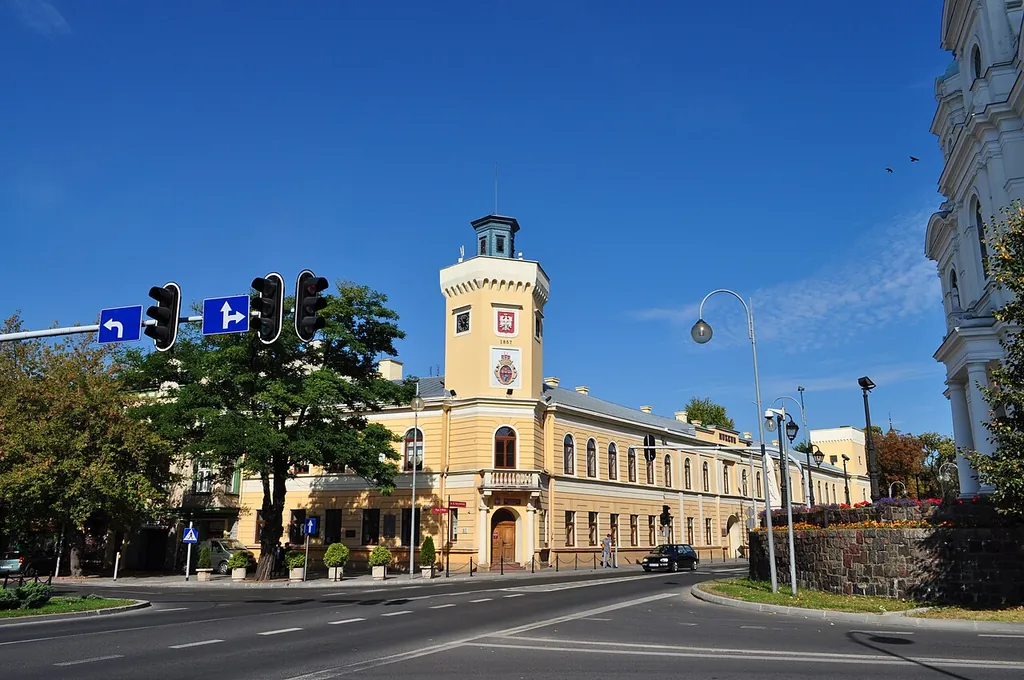
The Regional Museum in Radomsko was founded in 1970. Journalists had already been calling for a museum in the county in the thirties, but its creation was made possible only by the collecting passion and perseverance of Stanisław Sankowski, whose name the institution now bears. The first director was Janina Kucharska-Pawłowska. The museum occupies part of the former town hall on ul. Narutowicza. In the early seventies, after the town authorities and fire brigade had moved to new buildings, the renovated premises were converted into exhibition rooms.
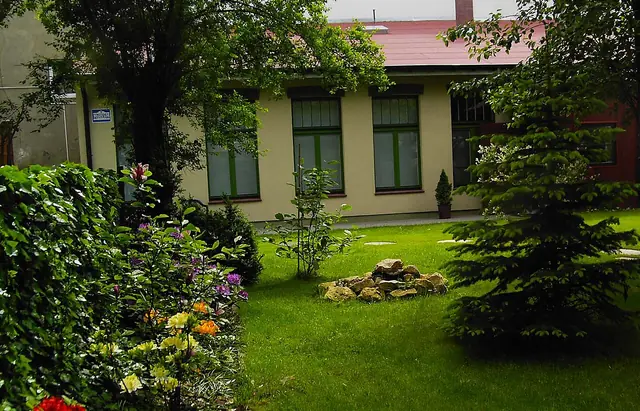
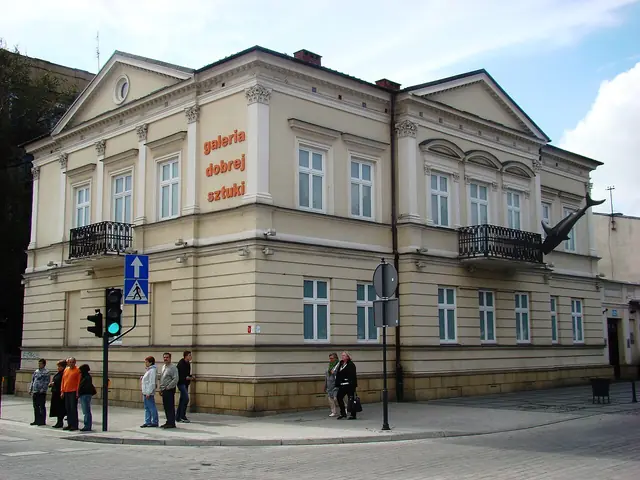
The collections comprise departments of history, archaeology, ethnography and art, more than 5,000 documents, letters, plans and photographs in the historical archive, and more than 5,000 volumes in the scholarly library. Since 2003 the Gallery of the Regional Museum has presented contemporary art. In the courtyard, in a nineteenth-century building that was formerly the town's municipal jail, the exhibition “In Occupied Radomsko” has been housed since 2009.
Permanent displays tell of the prehistory of the Radomsko area from the Stone Age, the history of the town from its founding charter in 1266 to the end of the Second Polish Republic, the German occupation, the fate of the Jewish population and the underground resistance, post-war Radomsko in 1945–1989, and village life at the turn of the nineteenth and twentieth centuries. A cabinet dedicated to Stanisław Sankowski, opened in 2019, complements them. The museum also looks after the Tatar farmstead (Zagroda Tatarska) in the Stobiecko Miejskie district, where workshops and events take place. Visits are possible by arrangement.
Highlights
- Exhibition “In Occupied Radomsko” in the historic former jail building
- Prehistory of the Radomsko area: finds from the Stone Age onwards
- Exhibition “From the History of the Town of Radomsko” from its founding in 1266
- Post-war Radomsko 1945–1989: the story of the PRL
- Stanisław Sankowski's cabinet
- Historic Tatar farmstead in Stobiecko Miejskie
Permanent exhibitions
- Pradzieje ziemi radomszczańskiej – Archaeological exhibition summing up research in the region; the oldest objects date from the Stone Age.
- Z dziejów miasta Radomska – Historical exhibition from the granting of town rights in 1266 to the end of the Second Polish Republic, with documents, seals and memorabilia of uprisings.
- W okupowanym Radomsku – Exhibition on the German occupation, the ghetto, clandestine teaching and the underground, set up in the former cells of the municipal jail.
- Founded
- 1970
- Director
- Małgorzata Borek
Admission & discounts
| Adults | 10 zł |
|---|---|
| Reduced | 5 zł |
| Groups | –Groups must be registered by telephone or in person (tel. +48 44 683 56 51). |
| Guide (per group) | 30 zł |
| Museum lesson (group of up to 30 people) | 50 zł |
| Workshop activities for children and young people (per person) | 10 zł |
Free admission: Sunday (free admission)
Museum lessons and workshops take place in the museum's rooms and in the Tatar farmstead. A school or kindergarten group may have no more than 30 people.
Accessibility
The museum hasn’t published any information on this.
Kids & families
Great for kids & families
- Family tours & workshops
The museum organises museum lessons and workshops for kindergartens, schools and children, including at the Tatar farmstead.
Getting there & parking
The museum hasn’t published any information on this.
Amenities & dining
The museum hasn’t published any information on this.
Events & venue rental
The museum hasn’t published any information on this.
Plan your visit
| Guided tours | yes |
|---|---|
| School programs | yes |
| Good to know | Group tours, museum lessons and workshops must be registered by telephone or in person. The exhibition “In Occupied Radomsko” is in a separate building in the museum courtyard. |